
Move, Make, and Mindset: A Parent’s Guide to Confident, Conceptual Math from Preschool to Middle School

Forget everything you know about math as just numbers and drills. Your child’s confidence grows when math sparks curiosity through movement, music, and hands-on activities. This guide shows how growth mindset math and conceptual learning create strong foundations from preschool through middle school—plus when personalized support beats extra practice. Ready to see math come alive in your home or classroom? Learn more here.
Growth Mindset in Math
Cultivating a love for math begins with a growth mindset. This approach transforms challenges into opportunities, boosting confidence in young learners.
Building Math Confidence for Kids
When kids believe they can improve, they become eager to tackle math problems. Imagine a child who once dreaded math now excited about solving puzzles. This shift happens when math is taught as a series of engaging activities rather than boring drills. Using games and storytelling, children can see math as a fun adventure. Encouraging kids to try, even when they make mistakes, helps them develop resilience. They learn that effort leads to improvement. Many parents notice their children becoming more enthusiastic about math when this mindset is nurtured. Instead of focusing on right answers, celebrate the process and watch their enjoyment grow.
Critical Thinking for Children
Critical thinking enhances problem-solving skills in math. By teaching kids to ask questions, they learn to approach problems from different angles. This skill is crucial not only in math but in life. Numbers become less intimidating when children understand how to think about them critically. They start to see patterns and make connections, which makes math more meaningful. Real-life scenarios, like planning a birthday party or saving pocket money, help kids apply math concepts practically. This practical approach makes math relatable, encouraging deeper understanding. As children practice thinking critically, they gain confidence in their ability to solve complex problems.
When Personalized Math Support Helps
At times, children need extra help to grasp certain concepts. That's when personalized support becomes invaluable. Unlike traditional methods that focus on repetition, tailored programs address specific gaps in understanding. This targeted approach ensures that children don't fall behind. Personalized support adapts to a child's learning style, making math less frustrating and more enjoyable. Whether through one-on-one tutoring or small group sessions, personalized attention can make a significant difference. It allows children to progress at their own pace, building a solid foundation for future learning. Parents often notice significant improvements in their child's confidence and attitude towards math after receiving personalized support.
Hands-On Math for Young Learners
Hands-on activities bring math to life, especially for young learners. When children engage with math physically, they understand concepts better and retain information longer.
Benefits of Math Manipulatives
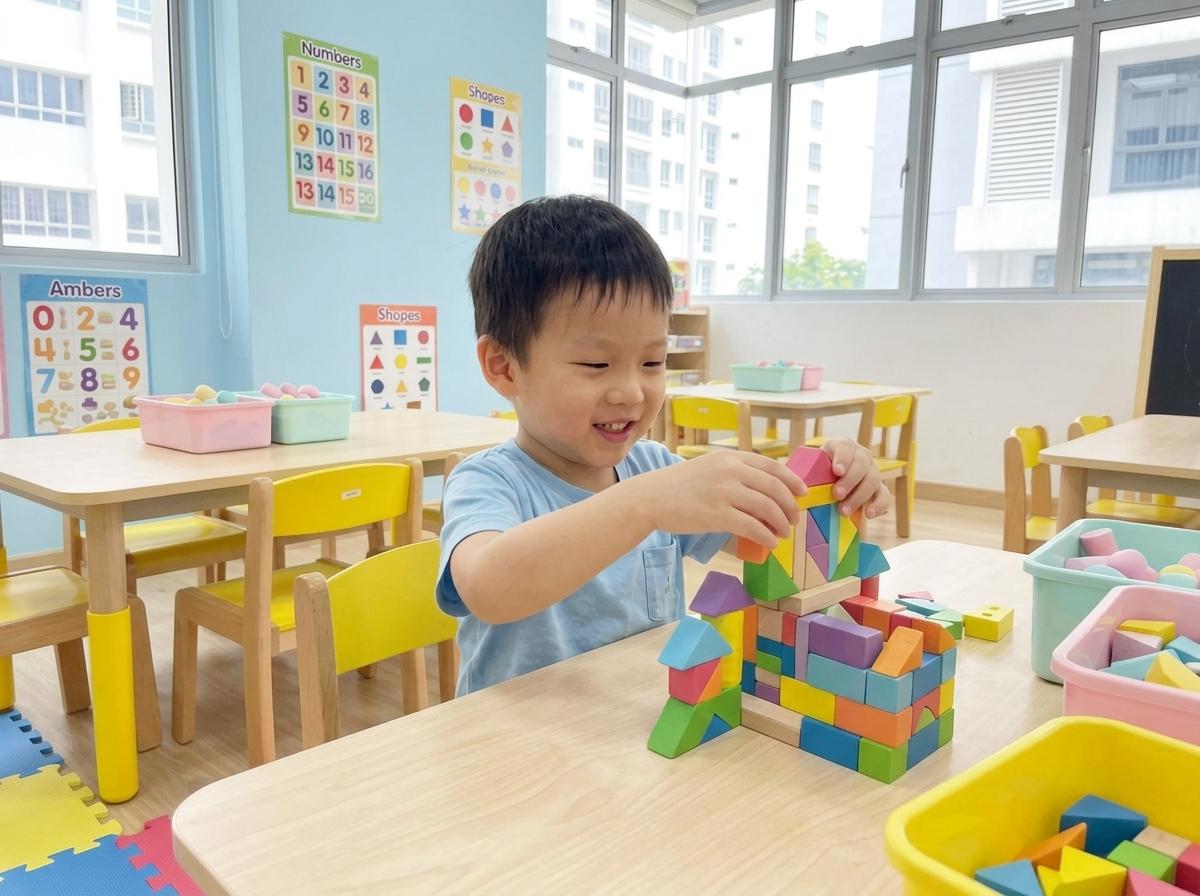
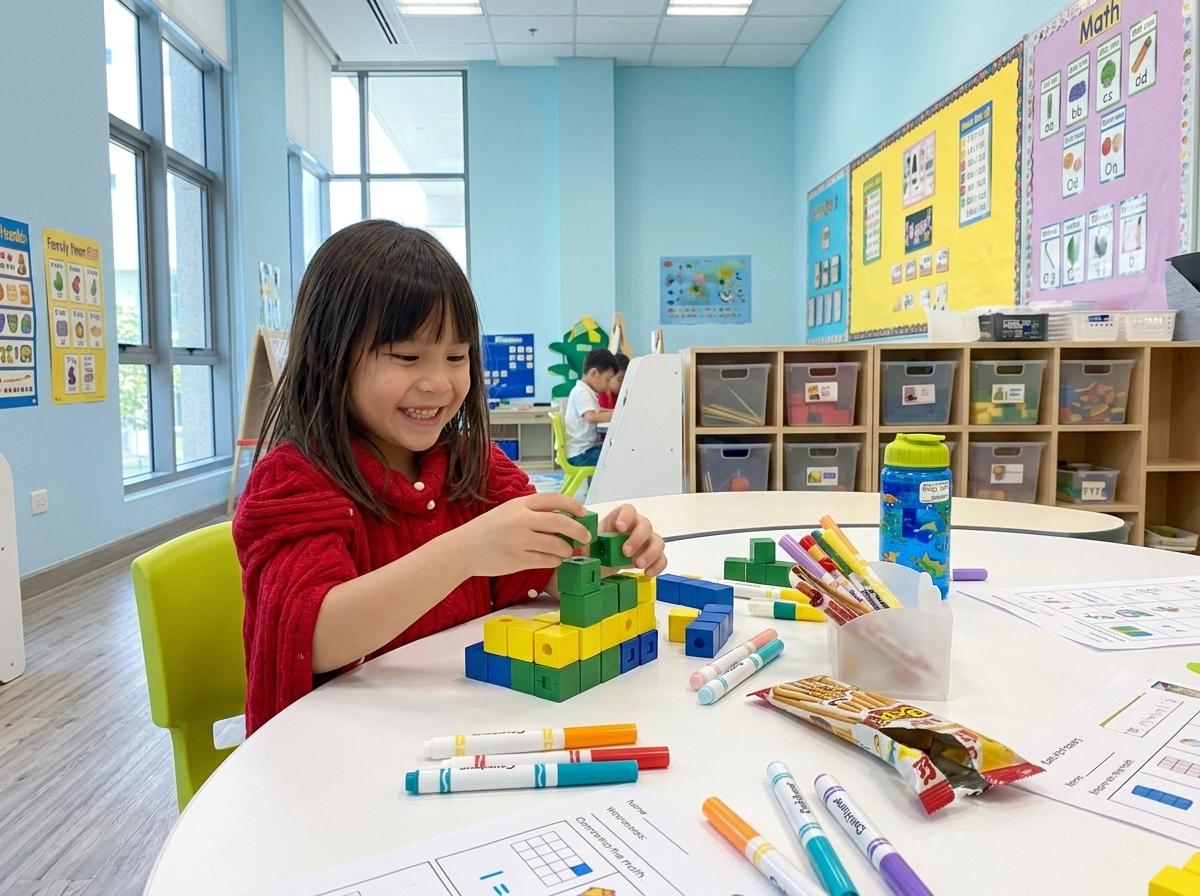
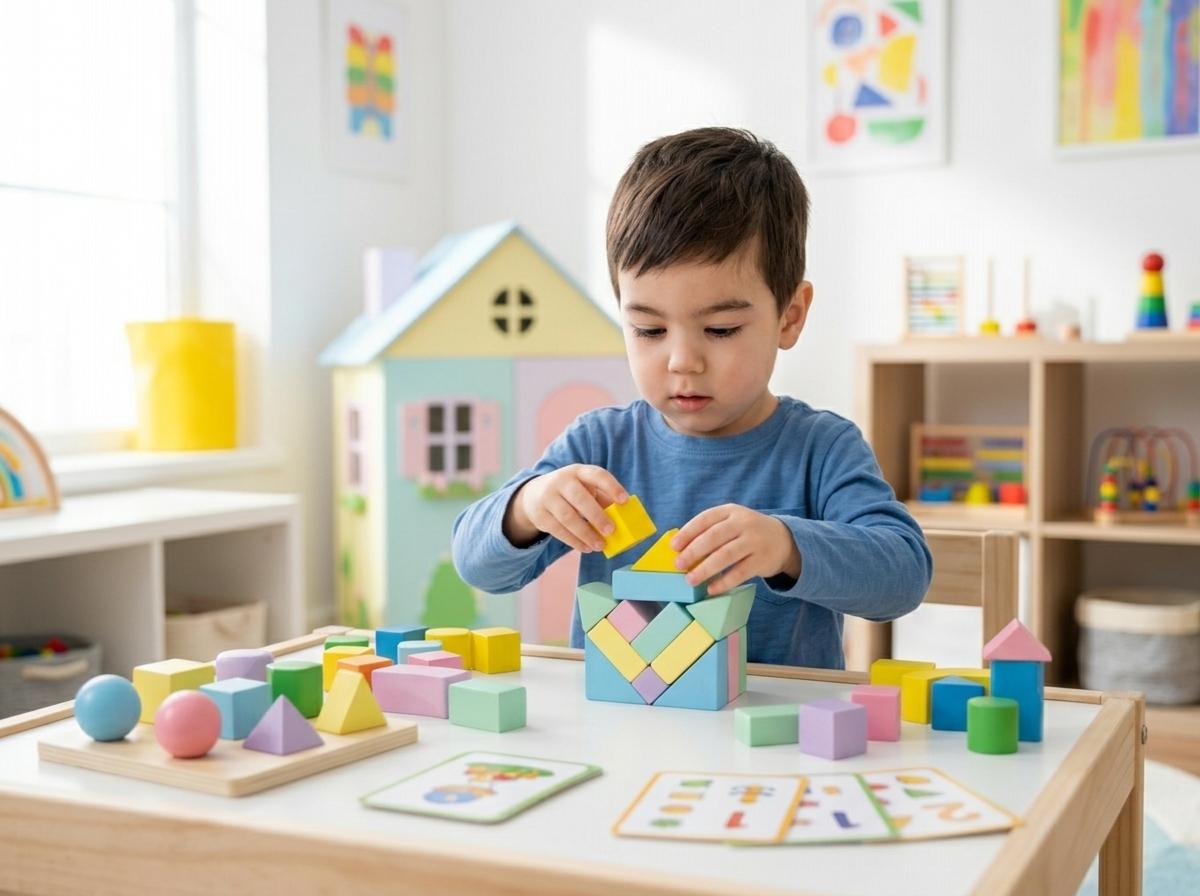
Playing with math manipulatives like blocks and counters makes abstract concepts tangible. For instance, using blocks to represent numbers helps children visualize addition and subtraction. This hands-on approach encourages exploration and experimentation, fostering a deeper understanding of math principles. Manipulatives also enhance fine motor skills and hand-eye coordination. As children sort and count, they're developing important cognitive abilities. Many teachers report that students grasp concepts faster when they can physically manipulate objects. This method not only supports math learning but also makes it enjoyable and interactive.
Music and Movement in Early Math
Incorporating music and movement into math lessons transforms learning into a lively experience. Songs with numbers and rhythms help children remember sequences and patterns easily. Dancing to math-themed tunes allows them to internalize concepts like counting and symmetry through movement. This multisensory approach appeals to different learning styles, making math accessible to everyone. Kids find joy in learning when they can move and groove, linking math with positive emotions. Studies show that children who learn math through music and movement often perform better in math tests. It's a fun, effective way to engage young minds.
Preschool Math Program Strategies
Preschool is a critical time for math development. Innovative programs focus on creative math curriculum to spark interest and lay strong foundations. Activities like sorting shapes, playing with math-related toys, and engaging in simple math games introduce basic concepts in a playful manner. Encouraging math talk during everyday activities helps children build vocabulary and confidence. Phrases like "How many blocks are there?" or "Let's find the biggest one" stimulate thinking. Parents can support this learning at home by integrating math into daily routines. Effective preschool programs emphasize exploration and discovery, nurturing curiosity and a love for math.
Conceptual Math Learning
Conceptual learning helps students understand the "why" behind math, which is vital as they progress in their education.
Elementary Math Enrichment Techniques
In elementary years, enrichment involves activities that challenge students to think deeper. Projects that require problem-solving and critical thinking are excellent for this. For example, students might design their own board game incorporating math rules. These projects encourage creativity and application of concepts in new ways. Teachers can use stories and practical examples to illustrate math ideas, making lessons relatable and memorable. Field trips or guest speakers can also enrich math learning by connecting it to real-world applications. Such experiences make math more than just numbers on a page, instilling a lasting interest in the subject.
Middle School Math Concepts Importance
Middle school is a time when math concepts become more complex. Understanding these ideas is crucial for future success in subjects like algebra and geometry. Engaging students through interactive lessons and technology can help demystify challenging topics. Using apps and online resources allows students to explore concepts at their own pace, reinforcing classroom learning. Group projects and discussions encourage collaboration and peer learning. This not only enhances understanding but also builds communication and teamwork skills. Teachers often find that students who engage actively in middle school math develop a strong foundation for high school and beyond.
Math and Literacy Integration Benefits
Integrating math and literacy enhances learning in both areas. When students write about math, they clarify their thoughts and deepen their understanding. This practice improves both math communication skills and literacy. Teachers can use math stories or journals to encourage students to express their ideas creatively. Discussing math problems in groups fosters a collaborative environment where students learn from each other's perspectives. This integration also helps students see math as a part of everyday life, not just a subject to study in school. The benefits of combining math and literacy extend beyond academics, supporting overall cognitive development.
🧠🔢🎶
For more insights and resources on math education, visit the Early Math Collaborative or check out this YouTube video.
Comments