
Hands-On Math, Real Understanding: Building Brains, Not Just Answers

Hands-on math isn’t just about getting the right answer—it’s about building real understanding that sticks. When children move, touch, and create with math manipulatives, their brains connect concepts in ways memorization can’t match. This approach nurtures a growth mindset, boosts math confidence, and fills gaps left by traditional teaching. Keep reading to see how hands-on math can change your child’s learning path for the better.
Hands-On Math: Building Real Understanding
Hands-on math offers a fresh approach to learning by engaging children in a way that traditional methods do not. It allows students to experience math concepts tangibly, creating connections that last.
Experiential Learning in Action
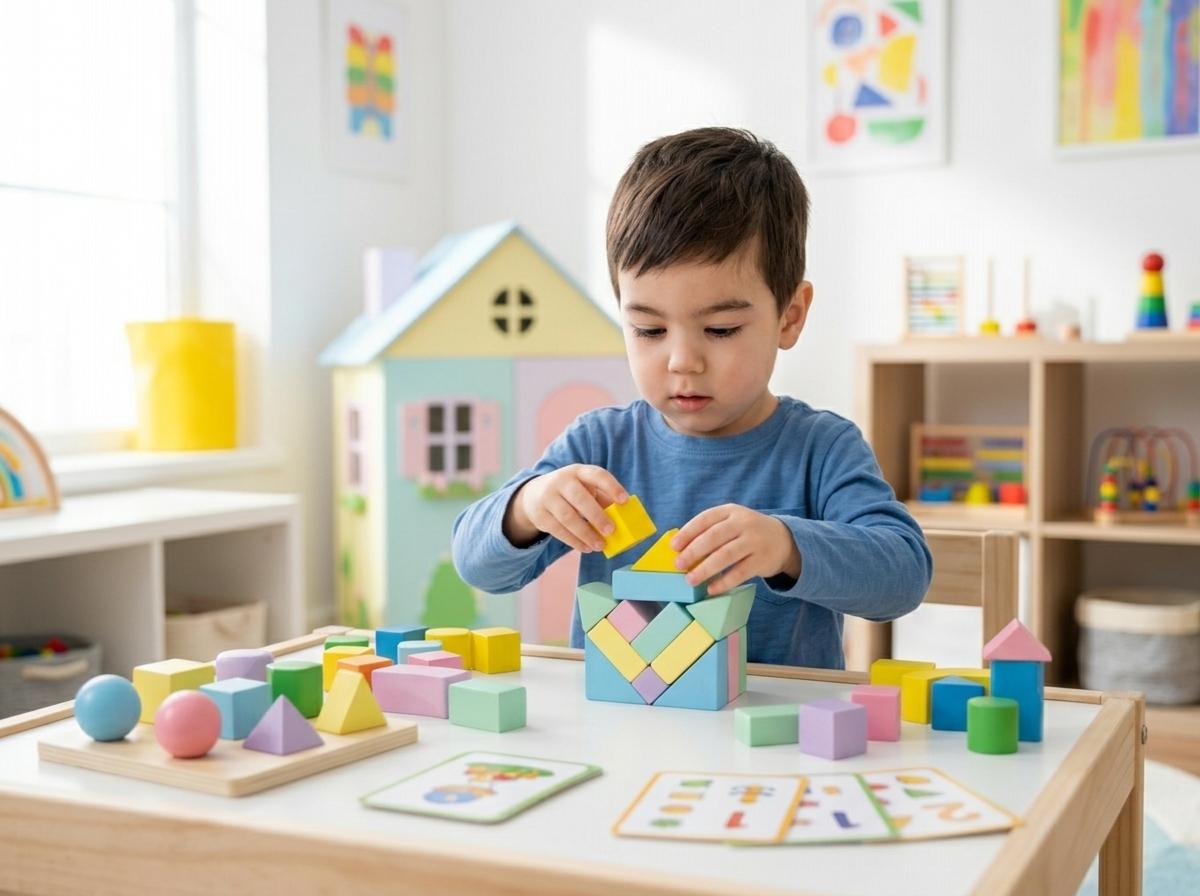
Imagine your child learning math through play. When kids use objects to count, sort, and measure, they understand math deeply. They aren't just memorizing numbers, they're seeing how math works in real life. This approach makes learning enjoyable and fosters a genuine interest in the subject.
A child's curiosity is piqued when they can see, touch, and manipulate objects. This kind of learning is powerful because it allows them to explore and discover independently. Studies show that children who learn through hands-on activities develop strong problem-solving skills and retain information longer.
By engaging in experiential learning, kids build confidence in their abilities. They become more willing to tackle challenging problems because they have a solid foundation. This confidence is key to fostering a lifelong love of learning.
Tactile Methods for Conceptual Understanding
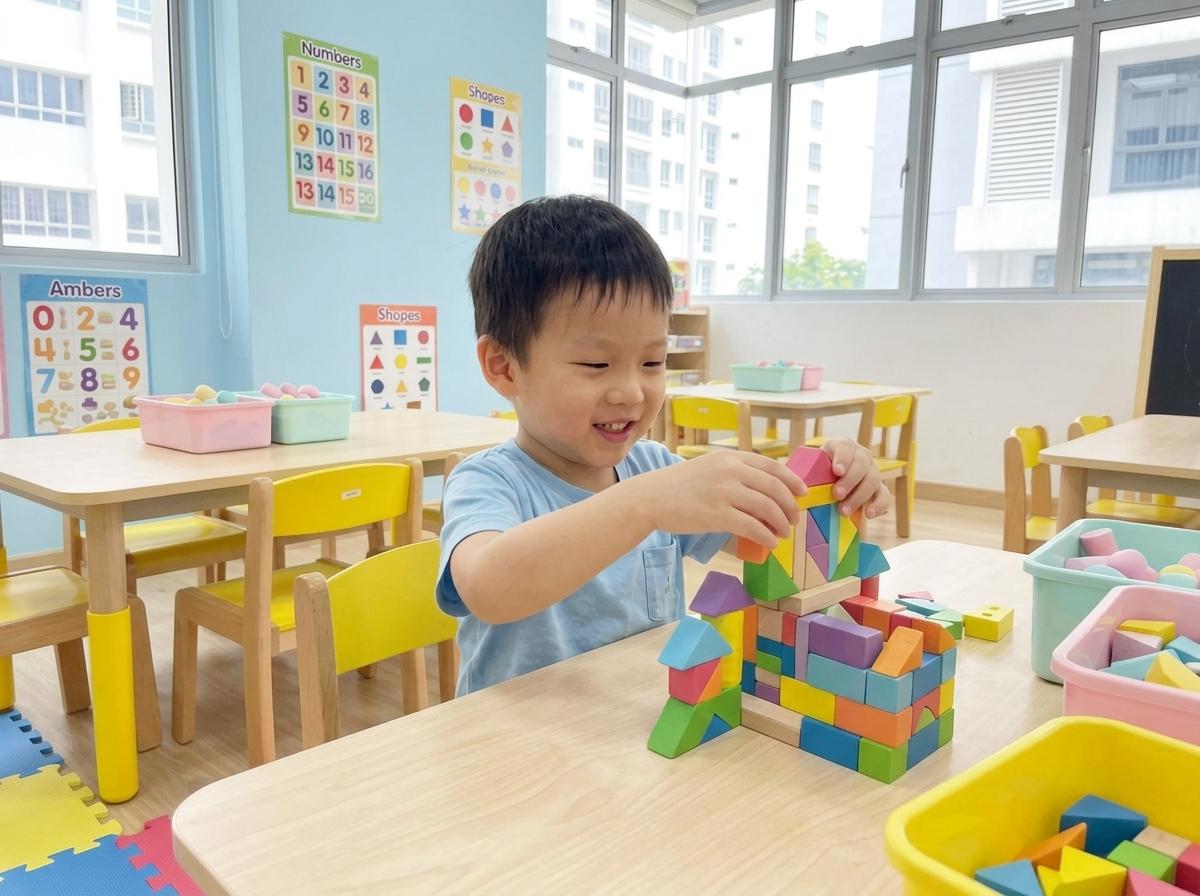
Using tangible materials helps children grasp abstract math concepts. When kids use blocks or beads to understand addition and subtraction, they see math come to life. This tactile approach bridges the gap between theory and practice.
Children learn best when they can connect new information to what they already know. By using physical objects, they can visualize and internalize math concepts. This method supports different learning styles, ensuring that every child can find a way to succeed in math.
Math manipulatives also encourage critical thinking. When students experiment with different solutions, they learn to approach problems from various angles. This skill is invaluable, not just in math but in all areas of life.
Closing Gaps with Creative Math
Traditional methods often leave gaps in understanding. Creative math activities help fill these gaps by challenging students to think differently. These activities promote a deeper understanding of math concepts and encourage creative problem solving.
When students engage in creative math, they develop a growth mindset. They learn that mistakes are part of learning and that challenges can be overcome. This mindset is crucial for success in school and beyond.
Incorporating creativity into math lessons makes the subject more engaging. When students are excited to learn, they are more likely to retain information and apply it in new situations. Creative math helps students see the relevance of math in their everyday lives.
Growth Mindset Math for Young Learners
Helping young learners develop a growth mindset sets the stage for future success. When children believe they can improve with effort, they become more resilient and motivated learners.
Critical Thinking for Kids
Critical thinking is an essential skill that can be nurtured through math education. When kids tackle math problems, they learn to analyze information and make decisions. These skills are transferable to other subjects and real-world situations.
Encouraging children to think critically helps them become independent learners. They learn to ask questions, seek answers, and evaluate solutions. This approach empowers them to take control of their learning journey.
By incorporating critical thinking into math lessons, educators can help students build a strong foundation for future success. This skill is crucial for navigating the challenges of an ever-changing world.
Math Confidence Through Kinesthetic Learning
Kinesthetic learning involves using movement to reinforce knowledge. This method is particularly effective for teaching math, as it allows students to engage with the material in a dynamic way.
When children use their bodies to explore math concepts, they develop a deeper understanding. This hands-on approach builds math confidence, as students see the immediate impact of their actions.
Kinesthetic learning also promotes collaboration and communication. When students work together on physical activities, they learn to share ideas and solve problems as a team. This social aspect of learning is essential for developing well-rounded individuals.
Foster Math and Literacy Connection
Integrating math and literacy can enhance both subjects. When students encounter math vocabulary in stories and word problems, they develop a better understanding of math concepts and improve their reading skills.
This connection between math and literacy encourages students to think critically about the information they encounter. They learn to analyze text and extract relevant details, a skill that is valuable in many areas of life.
By fostering a math and literacy connection, educators can create a more cohesive learning experience. This approach helps students see the interrelatedness of different subjects and appreciate the value of a well-rounded education.
Personalized Learning Paths
Every child learns differently, and personalized learning paths ensure that each student receives the support they need to succeed. Tailored instruction and interventions can help close math gaps and promote a love of learning.
Math Manipulatives and Reasoning
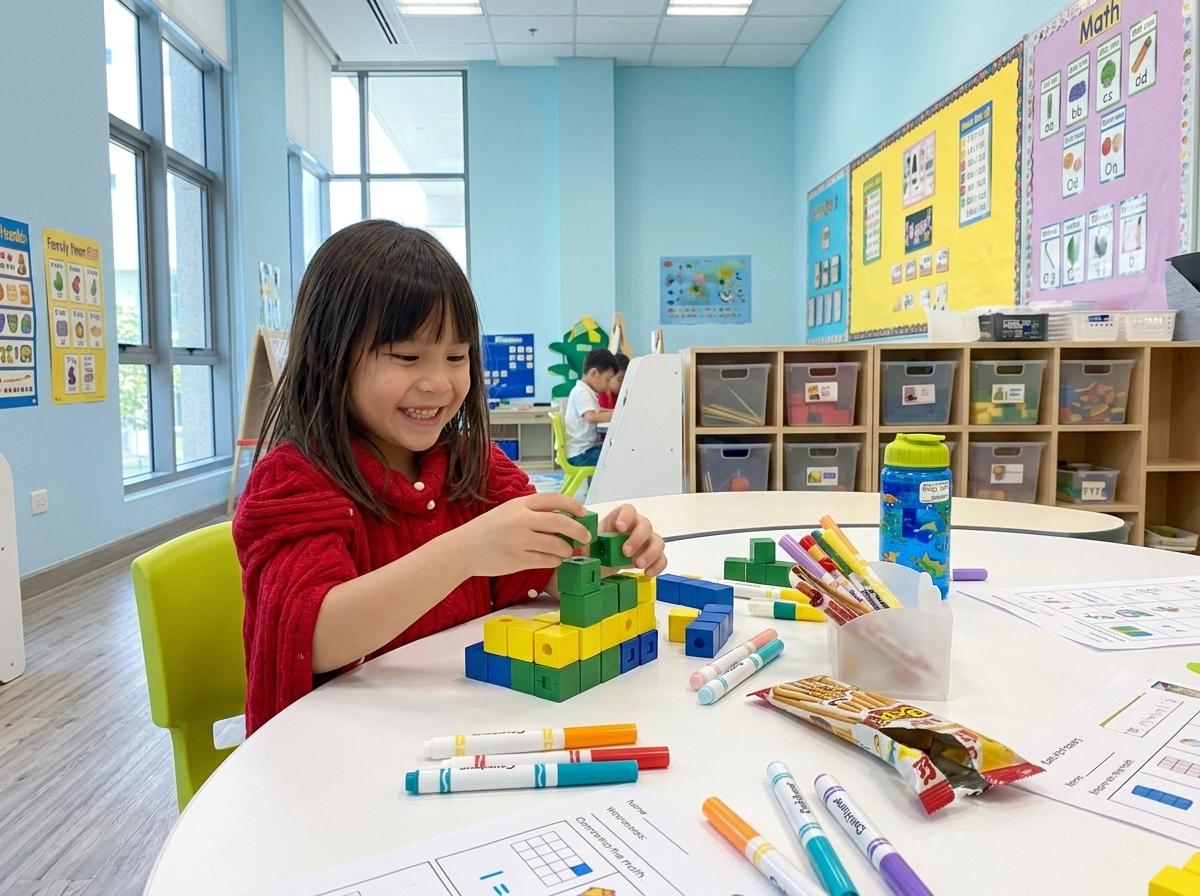
Using math manipulatives helps children develop strong reasoning skills. When students interact with physical objects, they can experiment with different approaches and solutions. This hands-on learning fosters a deep understanding of math concepts.
Manipulatives also support individualized learning. They allow students to progress at their own pace and explore concepts in a way that makes sense to them. This personalized approach helps build confidence and encourages a growth mindset.
By incorporating math manipulatives into lessons, educators can create an inclusive learning environment. This approach ensures that all students have the opportunity to succeed, regardless of their learning style.
Socratic Math Discussion
Encouraging students to discuss math problems promotes critical thinking and reasoning. Through Socratic discussion, students learn to articulate their thoughts and consider different perspectives. This collaborative approach enhances understanding and builds confidence.
When students engage in math discussions, they develop strong communication skills. They learn to express their ideas clearly and respond to the viewpoints of others. This skill is valuable in both academic settings and everyday life.
Tailored Interventions for Math Gaps
Addressing math gaps requires tailored interventions that meet the individual needs of each student. By assessing each child's strengths and weaknesses, educators can develop personalized learning plans that target specific areas for improvement.
Personalized interventions help students overcome challenges and develop a solid foundation in math. This approach builds confidence and fosters a growth mindset, as students see that they can improve with effort and persistence.
Tailored interventions also support a love of learning. When students see that their unique needs are being met, they are more likely to engage with the material and develop a lifelong passion for math.
By embracing hands-on math and creative learning approaches, educators and parents can help children build a solid foundation in math. This approach fosters a growth mindset, closes learning gaps, and promotes a love of learning that will serve students well throughout their lives.
Comments