
Is Your Child Ready to Advance? 10 Signs They Need a Stronger Math Foundation

Most parents want their child to move ahead confidently in math, but skipping steps can leave hidden gaps. These gaps often show up as struggles with number sense, problem-solving skills, or math confidence. Spotting these signs early helps you support your child with targeted practice and hands-on learning before advancing. Let’s explore 10 clear signals your child needs a stronger math foundation to thrive. Check this out for more insights on foundational math: https://www.wyzant.com/resources/answers/946311/it-seems-like-my-child-is-missing-core-math-abilities-like-adding-and-subtr.
Recognizing Math Gaps Early
Could your child be missing key math skills without you knowing? Understanding the signs of a weak foundation is crucial for their growth.
Signs of a Weak Math Foundation
Have you ever noticed your child counting on their fingers for simple sums? This might be a sign they need more foundational support. They may also struggle with concepts like place value or find word problems tricky. These gaps can hinder their progress, making math feel more like a chore than a fun challenge.
If your child takes a long time to finish math tasks, this could be another clue. They might avoid math altogether or feel anxious during math lessons. Such behavior can stem from not fully grasping earlier concepts. To learn more about building a strong math foundation, visit this resource.
Impact on Problem-Solving Skills
Problem-solving skills are crucial in math and life. But a shaky foundation can make it hard for kids to solve even simple problems. They might struggle to apply math in real-world situations, which can lead to frustration and a lack of confidence.
Consider a child who can't figure out how much change they should get at a store. This everyday scenario highlights the importance of math skills. Without them, problem-solving becomes a daunting task, not an opportunity to learn.
Importance of Math Language and Vocabulary
Imagine trying to solve a puzzle without knowing what each piece is called. This is how math can feel without a strong grasp of its language. Math vocabulary is key to understanding instructions and solving problems. Words like "sum," "product," or "difference" are more than just terms; they are building blocks for learning.
A child who doesn't understand math language can miss crucial steps in solving problems. They might confuse "subtract" with "add," leading to errors and misunderstanding. Mastering this language is essential for success in math and beyond.
Building Math Confidence Through Practice
Now that you know the signs, how do you help your child overcome them? Building confidence is the first step towards math success.
Growth Mindset Math Strategies
Adopting a growth mindset can change how your child views math. Encourage them to see mistakes as learning opportunities. Praise effort, not just the correct answers. This approach can boost their confidence and willingness to tackle challenges.
Creating a supportive environment is key. Let your child know that everyone struggles sometimes, and that's okay. Share stories of famous figures who overcame difficulties through perseverance. This perspective can make a significant difference in their attitude towards learning.
Creative Hands-On Math Learning
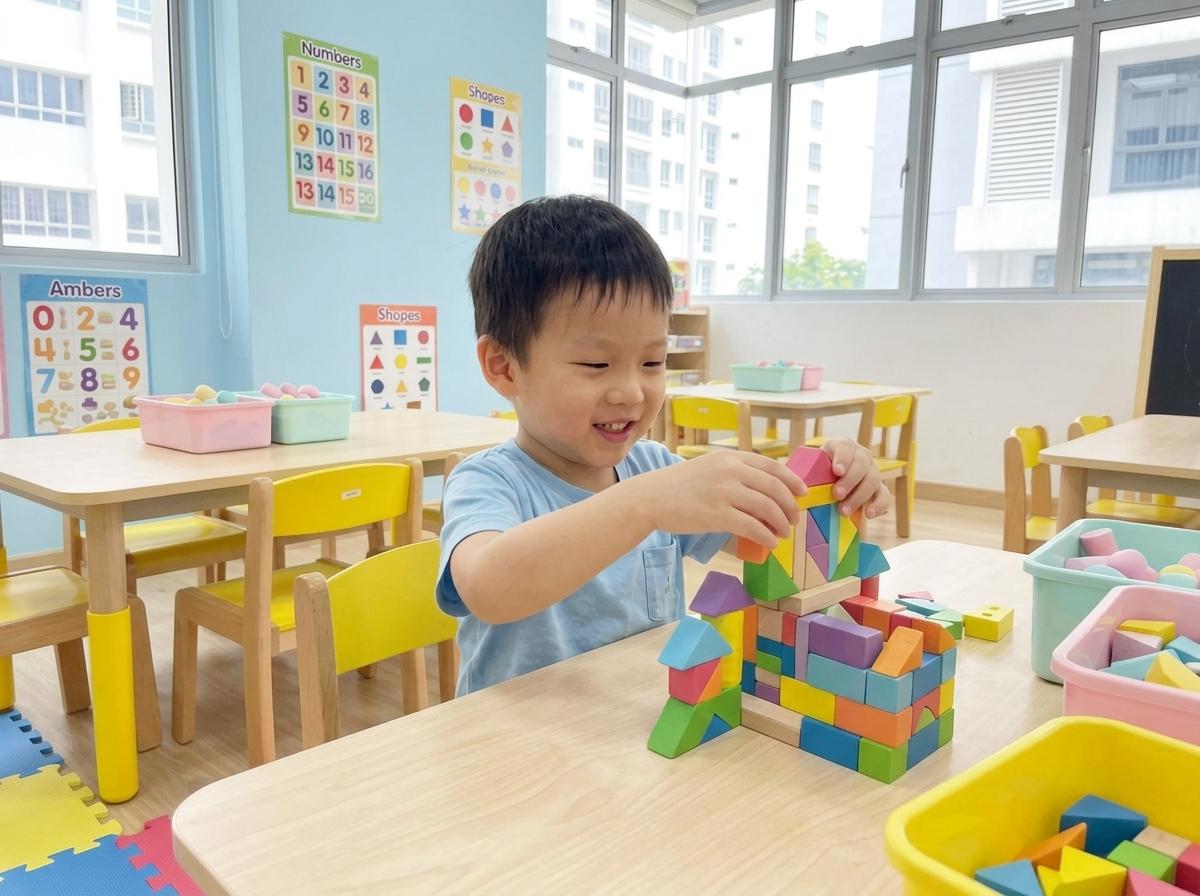
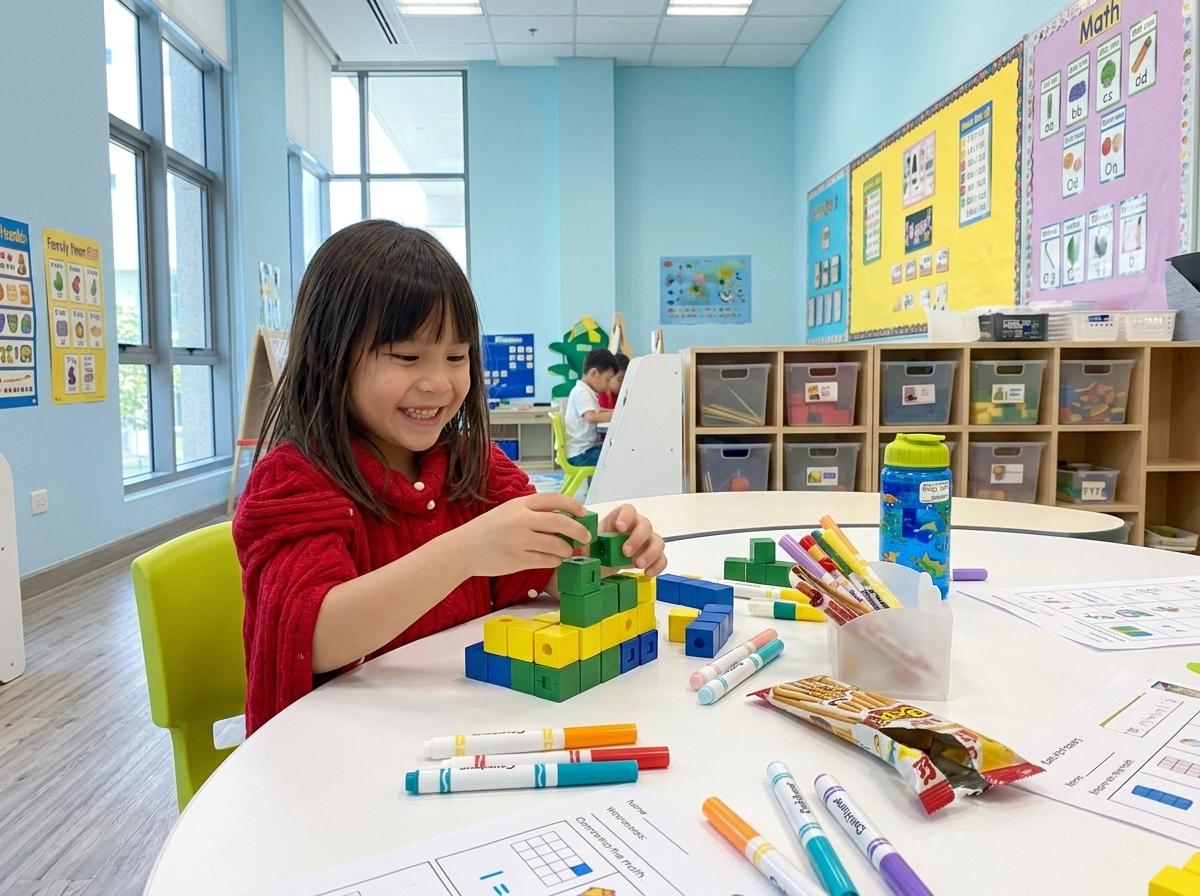
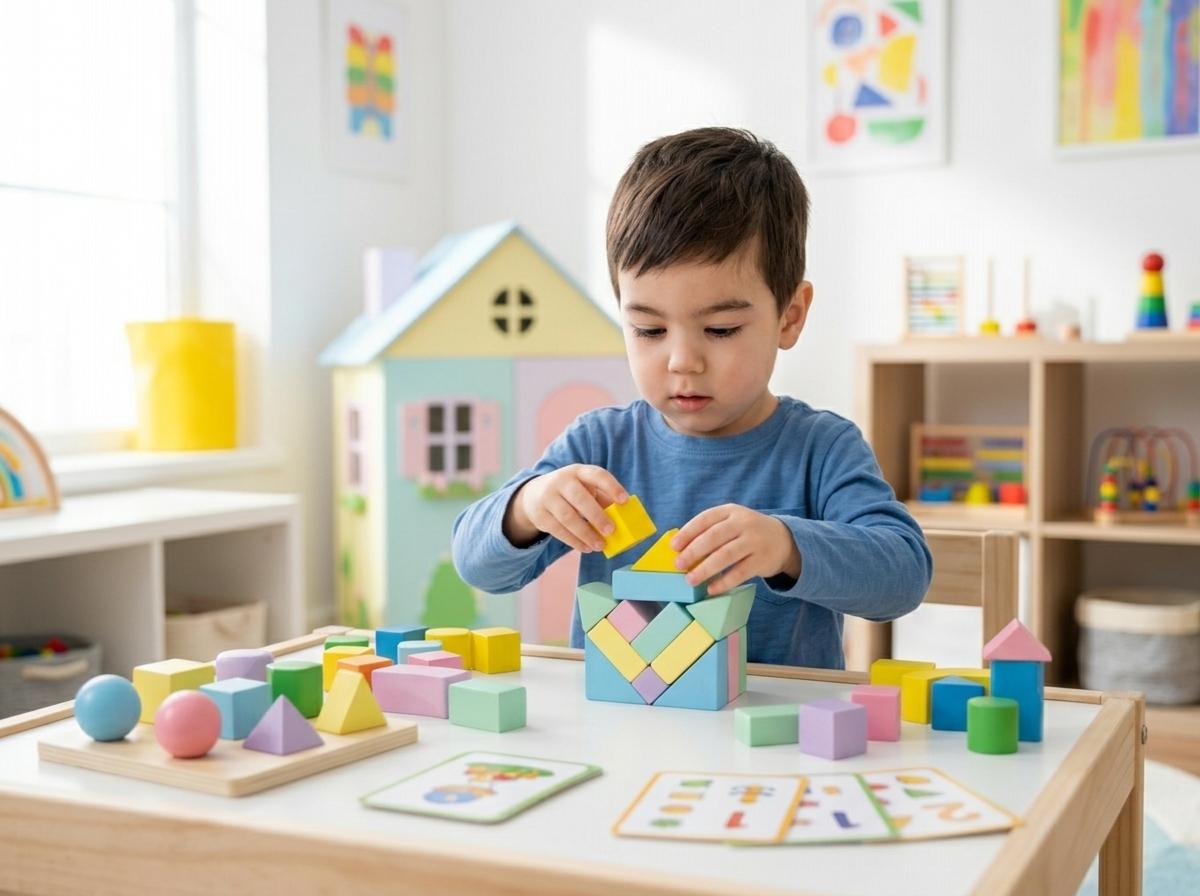
Hands-on learning brings math to life. Using everyday items like toys or snacks can make abstract concepts tangible. For instance, using blocks to demonstrate addition or subtraction can be more impactful than numbers on a page.
Incorporating games or art into math lessons can also spark interest. These activities make learning engaging and help retain concepts better. Plus, they offer opportunities for creativity and exploration, essential components of a well-rounded education.
Personalized Math Learning Paths
Every child learns differently. Personalized learning paths cater to individual strengths and weaknesses, ensuring no child is left behind. Assessing your child’s current level can help tailor a plan that meets their unique needs.
Using tools like math apps or specialized programs can offer customized support. Regular assessments can track progress and adjust learning paths as needed. This approach ensures that your child builds a solid foundation before moving forward.
Bridging Math and Literacy
Math and literacy go hand in hand. Strengthening one can significantly impact the other, offering a holistic approach to learning.
Reading Comprehension in Word Problems
Understanding word problems requires good reading skills. Encourage your child to read problems carefully, identifying key information and what the problem asks them to do. Breaking down the problem into smaller parts can make it more manageable.
Discussing the problem out loud or drawing it can also help clarify complex concepts. This exercise enhances both math and reading comprehension, making your child a more confident problem-solver.
Developing Number Sense in Early Childhood
Early childhood is the ideal time to develop number sense. Engaging children with counting games, number songs, or simple puzzles can lay the groundwork for future learning.
Encouraging curiosity and exploration with numbers helps build a natural understanding of math. This approach fosters a love for learning, making math an exciting adventure rather than a daunting task.
Math Intervention as an Alternative to Rote Memorization
Rote memorization might seem effective, but it often lacks depth. Math intervention programs focus on understanding rather than memorizing, providing a richer learning experience.
These programs use various strategies to address specific challenges, promoting critical thinking and problem-solving skills. By focusing on comprehension, interventions can transform how your child interacts with math, leading to greater success and enjoyment.
🎓📚✨
By recognizing the signs of math gaps early, you can take proactive steps to support your child's learning journey. Equip them with the tools to succeed, and watch their confidence soar.
Comments