
Beyond Worksheets: How Hands-On Learning Builds Confident Math Thinkers

Worksheets alone fall short when it comes to building true math confidence. Your child needs more than repetitive drills to develop growth mindset math skills that stick. Hands-on math activities spark curiosity and deepen conceptual understanding for kids, turning abstract numbers into meaningful ideas. Let’s explore why moving beyond worksheets opens doors to critical thinking for children and lasting math confidence. Learn more about the benefits of hands-on learning here.
The Limits of Worksheets
While worksheets play a role in math practice, they often fail to inspire deep understanding. Let's unpack why relying solely on them might not be the best approach for your child's learning journey.
Why Worksheets Fall Short
Worksheets tend to focus on repetition and memorization. They ask your child to repeat the same type of problem over and over, which can lead to boredom and disengagement. This method might work for short-term retention, but it does little to encourage critical thinking or problem-solving skills.
Children need to see how math applies to the real world. Worksheets rarely provide this context. When math is presented as a series of isolated problems, it becomes hard for kids to connect what they learn to everyday situations. Without this connection, retention and understanding suffer.
Moreover, simply completing worksheets doesn’t teach kids how to think creatively or approach problems from different angles. Math should be about exploration and discovery, not just filling in blanks or choosing the right multiple-choice answer.
The Role of Critical Thinking
Encouraging critical thinking in math means asking questions that go beyond the obvious. Students should be challenged to explain their reasoning and explore multiple solutions. This kind of engagement builds a more profound understanding and makes math more enjoyable.
Critical thinking in math involves analyzing patterns, making predictions, and testing hypotheses. These skills are essential not just in math but in life. When kids are encouraged to think deeply and question their methods, they develop confidence and a better grasp of concepts.
To foster this environment, you might ask open-ended questions or present problems that have more than one solution. Encourage your child to explain their thought process. This approach helps them develop a toolkit of strategies they can apply to various scenarios, both in and out of the classroom.
Conceptual Understanding for Kids
Grasping the "why" behind math is crucial. Conceptual understanding allows children to see the bigger picture and recognize how different math concepts connect. This depth of knowledge surpasses the surface-level understanding that worksheets often provide.
When children understand concepts, they can apply them in different contexts. They become flexible thinkers who can adapt their knowledge to solve new problems. This adaptability is crucial for success in higher-level math and other subjects.
By focusing on conceptual understanding, you help your child build a solid foundation. This approach ensures they’re prepared for the complexities of future math challenges and helps prevent the learning gaps that can occur when concepts are not fully understood.
Hands-On Learning Strategies
To cultivate a genuine love for math, hands-on activities are vital. They transform abstract ideas into tangible experiences. Let's explore some effective strategies for bringing math to life.
Math Manipulatives in Action
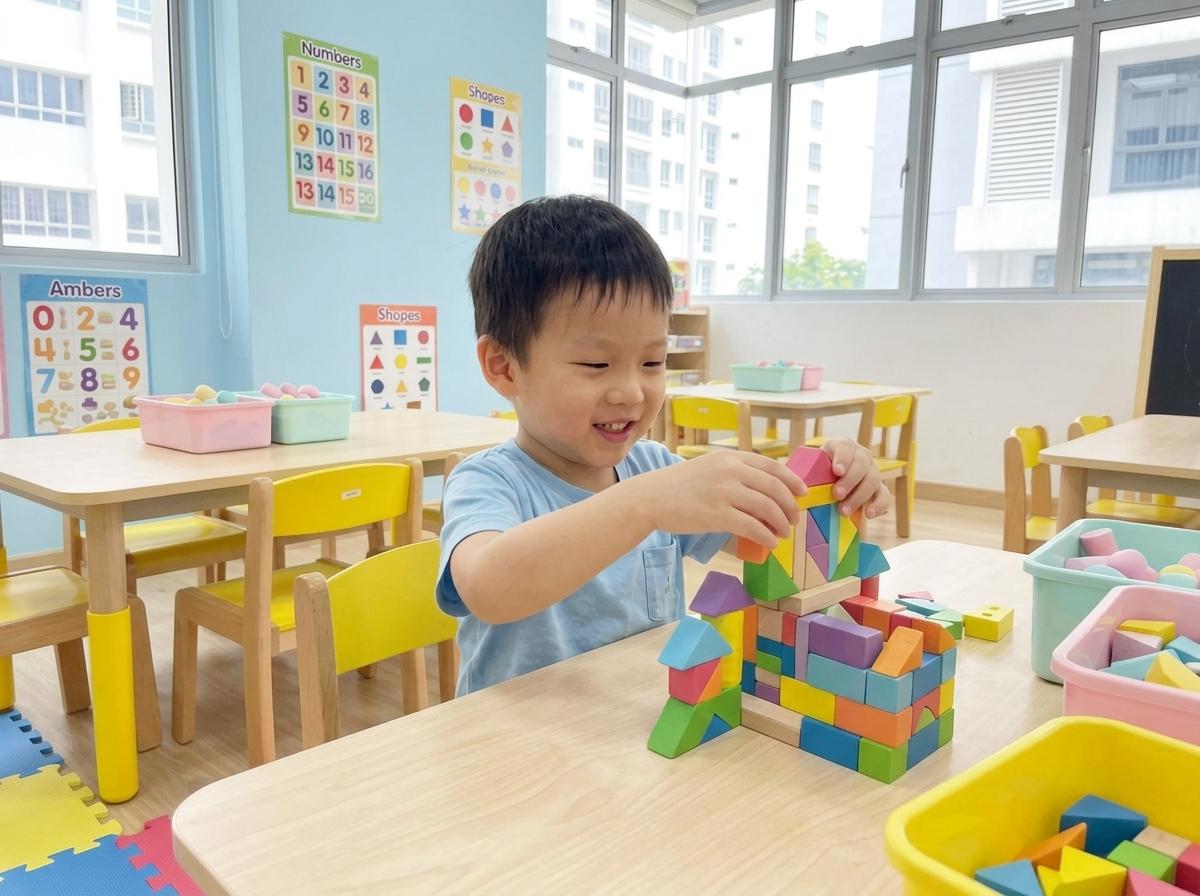
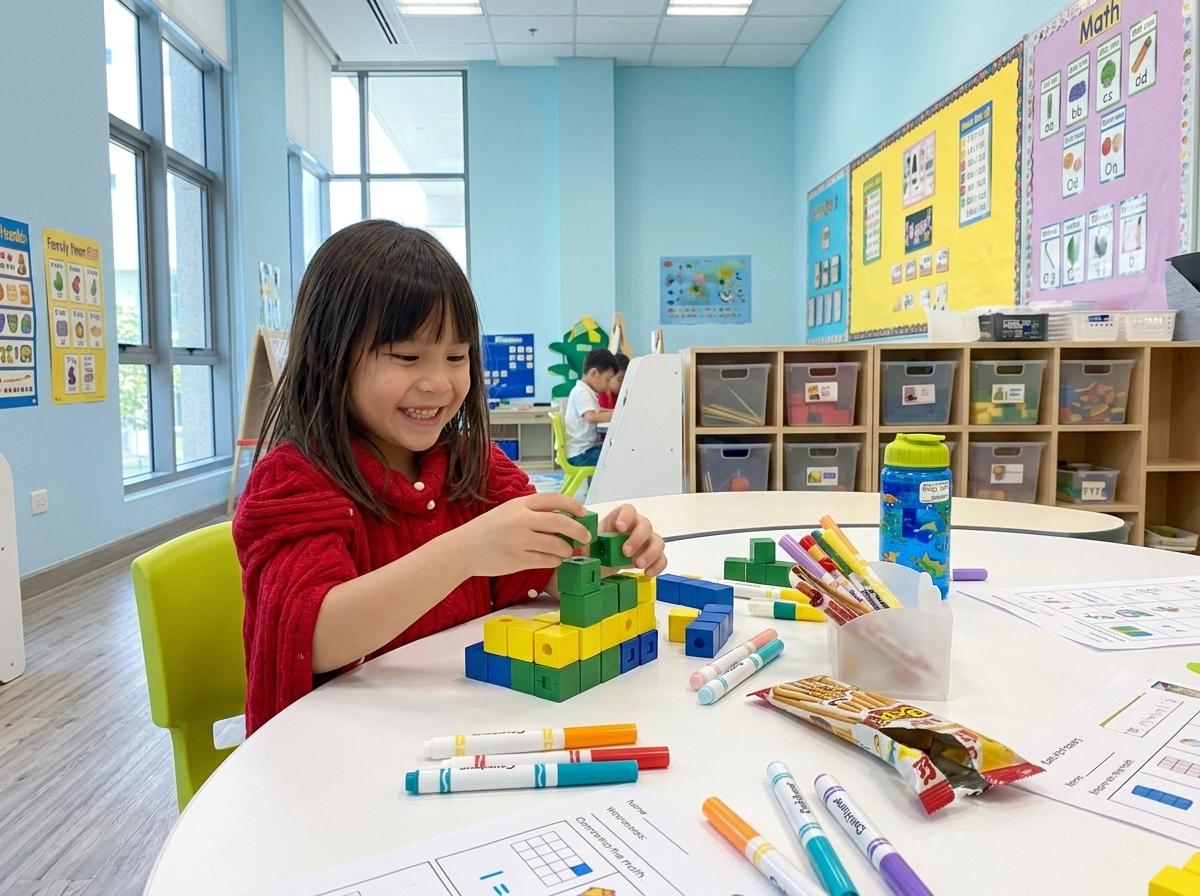
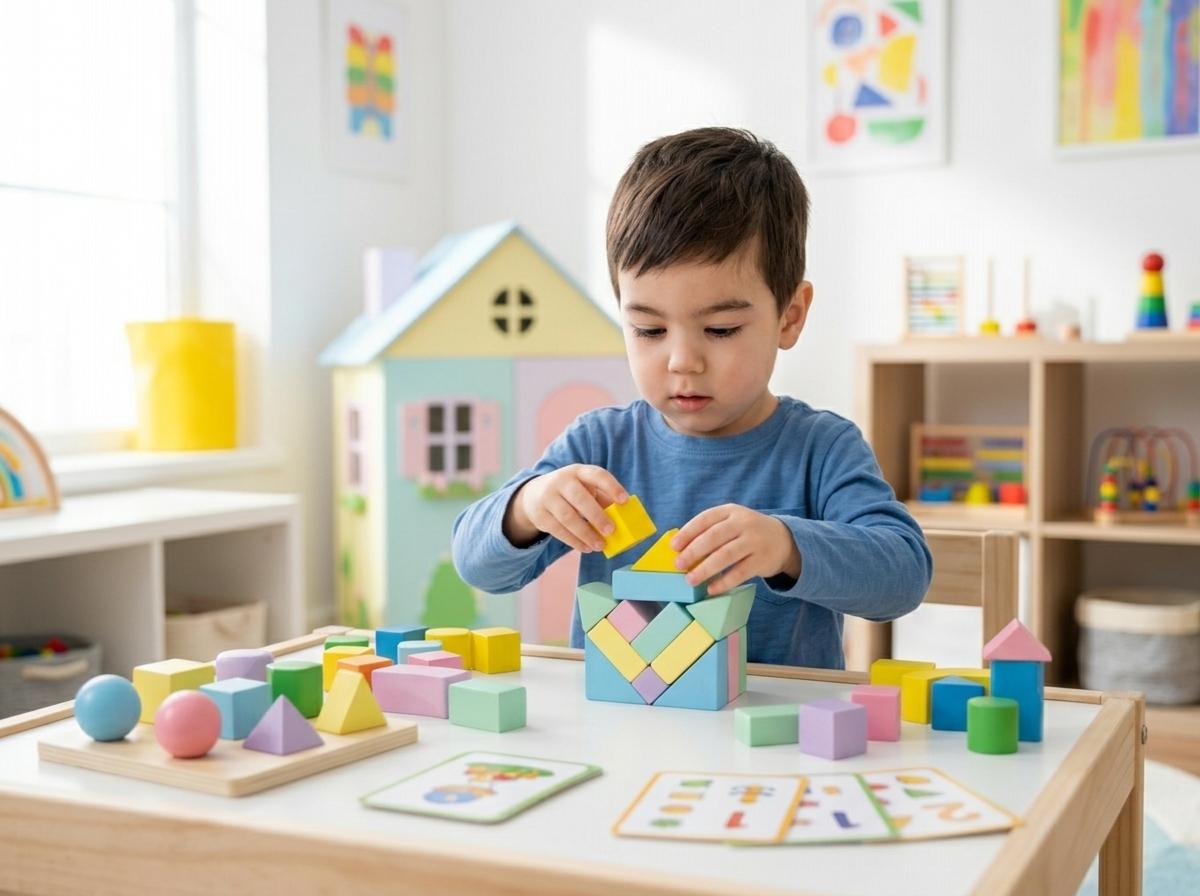
Using physical objects to teach math can make a significant difference. Math manipulatives like blocks, beads, or even everyday items help children visualize and understand math concepts better. These tools allow kids to experiment and see how numbers work in real life.
Manipulatives make abstract ideas concrete. For instance, when learning about fractions, using pie pieces can vividly illustrate how parts form a whole. This approach not only makes math fun but also enhances understanding by providing a visual and tactile way to grasp difficult concepts.
Moreover, math manipulatives encourage exploration. Kids can manipulate objects to find answers, fostering critical thinking and problem-solving skills. This method builds a stronger, more intuitive sense of math that mere numbers on a page can't provide.
Math Music Motion for Early Learners
Combining music and movement with math learning creates a dynamic and engaging environment for young children. This approach taps into different learning styles, making math accessible to everyone. Through songs and dance, kids can learn patterns, counting, and even basic arithmetic.
Music helps with memory retention. When children associate math concepts with catchy tunes or rhythms, they are more likely to remember them. Music also makes learning more enjoyable, which can encourage a love of math from an early age.
Motion is equally important. Physical activity helps improve focus and concentration. By incorporating movement, children can better understand spatial concepts, such as geometry and symmetry. This integrated approach ensures that math is not just a subject but an experience that involves the whole body.
Experiential Learning in Math
Experiential learning involves activities that integrate real-world experiences with math lessons. This approach goes beyond traditional math problems to include experiments, projects, and explorations that make learning relevant and exciting.
For instance, a cooking project can teach measurements, fractions, and proportions. A garden can help explore geometry and multiplication with plant spacing and growth patterns. These activities show children how math is used in everyday life, enhancing their understanding and appreciation for the subject.
Experiential learning also promotes discovery and curiosity. When children see the practical applications of math, they become more engaged and motivated to learn. By connecting math with the real world, you help them see its value beyond the classroom.
Building Confident Math Thinkers
Confidence in math comes from understanding and practice, not rote memorization. Let’s explore how to build this confidence through different approaches.
Growth Mindset Math Approaches
Adopting a growth mindset means believing that abilities can be developed through effort and learning. This perspective encourages perseverance and resilience in the face of challenges. For children, this can mean the difference between giving up and pushing through a tough problem.
You can foster a growth mindset by praising effort rather than innate ability. Celebrate persistence and learning from mistakes. When children understand that struggle is part of learning, they are more likely to take risks and try new things, leading to deeper understanding and confidence in math.
Promoting a growth mindset also involves encouraging curiosity. Ask your child questions that spark imagination and exploration. When they see math as a series of intriguing puzzles rather than boring problems, they're more inclined to dive in and enjoy the process of finding solutions.
Word Problem Strategies
Word problems can be daunting for many kids, but they're essential for applying math to real-world situations. Teaching strategies for tackling these problems can help build confidence and competence.
Start by breaking down the problem. Encourage your child to identify key information and what the problem is asking. Visual aids, such as drawing a picture or diagram, can help them understand the scenario and determine the best approach.
Another strategy is to teach them to look for patterns or similarities with previous problems. This approach helps make connections across different math concepts, reinforcing their understanding and ability to solve complex problems over time.
Personalized Learning in Math
Every child learns differently, so personalized learning can make a significant impact. This approach tailors lessons to fit your child’s unique needs, allowing them to progress at their own pace and focus on areas where they need the most support.
Personalized learning uses assessments to identify strengths and weaknesses. With this information, you can create a learning path that challenges your child appropriately. This method ensures they’re neither bored by material that’s too easy nor overwhelmed by content that’s too difficult.
This approach helps close learning gaps and builds a solid foundation for more advanced math. As your child gains confidence in their abilities, they're more likely to take ownership of their learning journey, leading to greater success and enjoyment in math.
🌟📚✨
By moving beyond worksheets and embracing hands-on learning, you open the door to a world of possibilities for your child. Critical thinking, conceptual understanding, and personalized strategies will not only boost their math skills but also their confidence and love for learning.
Comments