
Innovative Math Learning: How a Growth Mindset Transforms Early Childhood Education

Forget everything you know about early childhood math education. Traditional memorization drills often leave kids frustrated and disconnected from real understanding. Growing IQ’s creative math program for kids uses growth mindset in math to build confidence and curiosity through hands-on math activities that make learning joyful and lasting. Here’s how this approach changes everything for young learners ages 2.5 to 14.
Growth Mindset in Early Math
Imagine a world where children love math and thrive in it. That world becomes reality with the right approach. Fostering a growth mindset in math transforms how kids perceive challenges, turning frustration into opportunity.
Building Math Confidence for Kids
Confidence is key to learning. When children believe in their ability to learn, they persevere through tough problems. At Growing IQ, we prioritize building math confidence for kids by shifting the focus from getting the right answer to understanding the process.
Stories of Success: Little Lisa once feared numbers. Now, with encouragement and interactive lessons, she is the first to solve puzzles in her class.
Key Insight: Children who feel confident tackle more complex problems with creativity.
Encouraging self-belief in math can reshape a child's educational journey. This confidence isn't just about math; it spills over into all areas of learning and life.
Encouraging Curiosity and Exploration
Curiosity drives discovery. In our programs, we encourage kids to ask questions and explore math beyond textbooks. This approach makes learning dynamic and engaging.
Interactive Games: Our "Number Sense Games" turn numbers into friends, not foes.
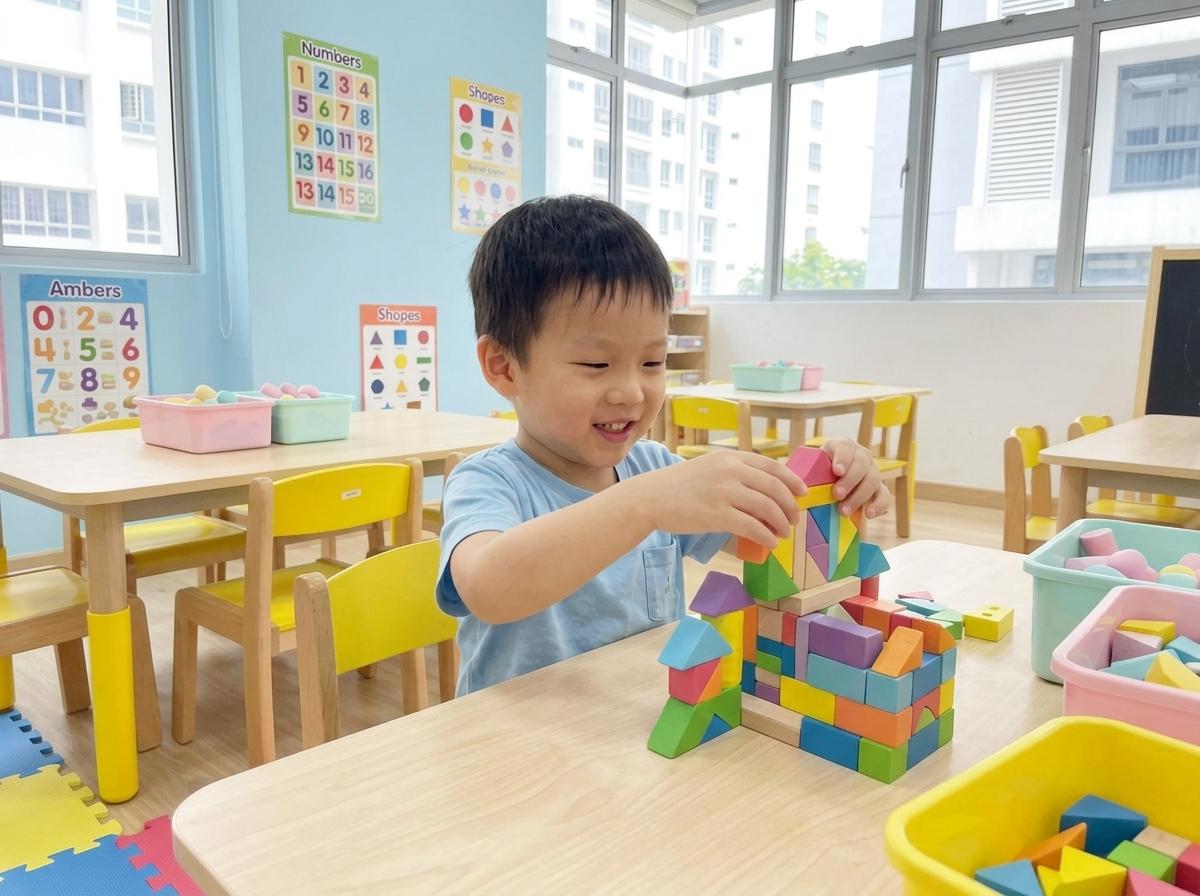
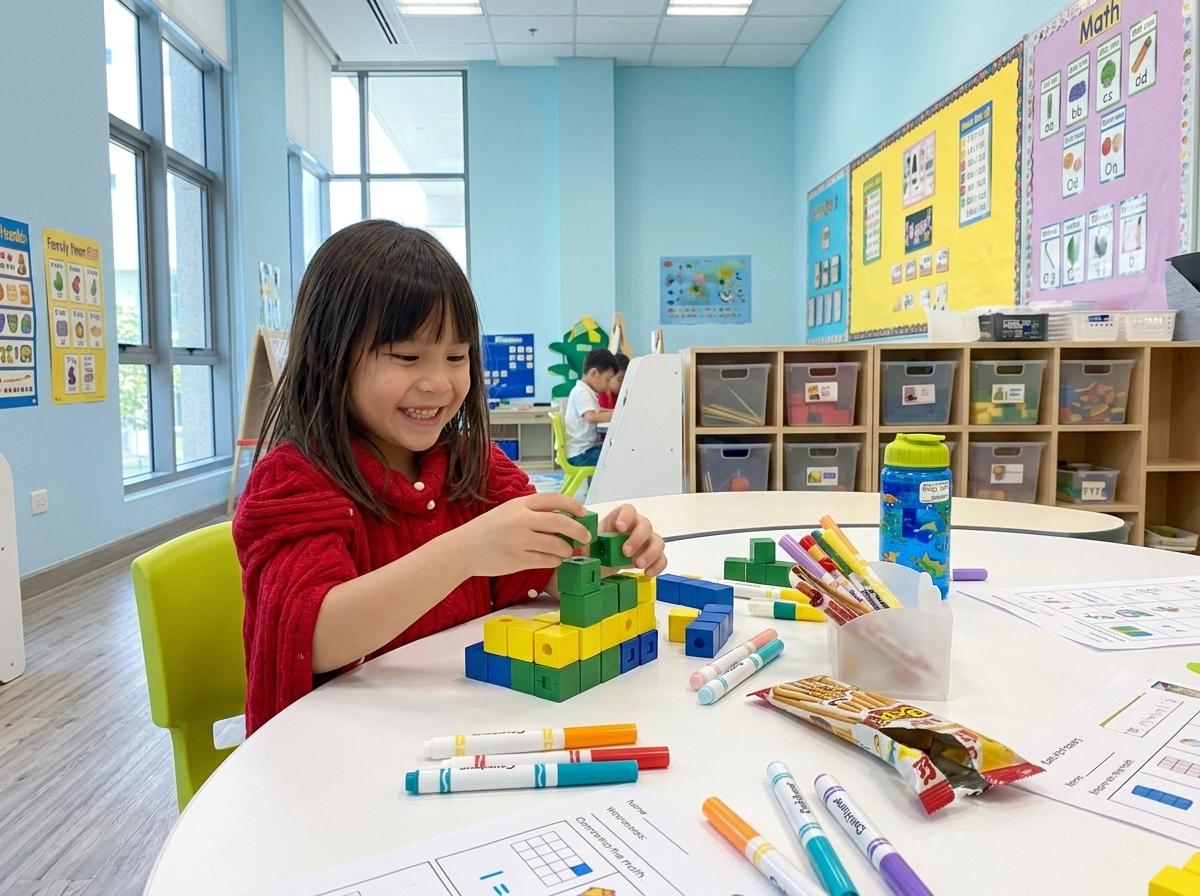
Exploration Tools: Using math manipulatives like blocks and shapes, kids see math in action.
By fostering a sense of wonder, children connect with math on a deeper level. This connection leads to a lifelong appreciation of learning and exploring new concepts.
Creative Math Programs
Combining creativity with math might sound unusual, but it's a game-changer. Creative programs make abstract concepts tangible and fun, sparking interest and understanding.
Music and Movement in Math
Ever thought music could teach math? Our program integrates music and movement math to illustrate patterns and sequences. This method resonates with young minds, making learning a joyful experience.
Rhythm and Counting: Kids learn to count beats in music, developing numerical fluency.
Dance and Geometry: Through dance moves, they visualize geometric patterns.
These techniques make math lessons memorable and enjoyable. Kids often leave sessions humming tunes and counting steps, unknowingly reinforcing their math skills.
Hands-On Math Activities
Hands-on activities bring math to life. When children manipulate objects, they grasp concepts faster and more fully. Our curriculum includes fun, engaging activities that make learning stick.
Building Projects: Constructing models helps in understanding spatial reasoning.
Cooking Lessons: Measuring ingredients introduces fractions and volume.
These activities aren't just fun; they're effective. Kids relate math to real-world scenarios, enhancing their problem-solving skills.
Personalized Learning Paths
Every child learns differently, so personalized learning paths cater to individual needs. This customization ensures that each student progresses at their pace, building a solid foundation.
Kindergarten Readiness Math
Preparing for kindergarten sets the stage for future success. Our readiness program introduces young learners to foundational math concepts in an interactive way.
Pattern Recognition: Identifying patterns lays the groundwork for advanced math.
Simple Arithmetic: Introducing basic addition and subtraction through games.
These early experiences make kindergarten math a breeze, boosting confidence from day one.
Critical Thinking for Children
Critical thinking is an essential life skill. Our programs challenge kids to analyze and solve problems creatively and logically.
Puzzles and Brain Teasers: These activities enhance logical reasoning.
Scenario-Based Learning: Real-life scenarios encourage children to think critically.
By nurturing these skills, we prepare children not just for math, but for life. They learn to approach problems with an open mind and devise innovative solutions.
🎉
In this journey of growth and discovery, children learn that math is not just a subject—it's a way of thinking and exploring the world. By embracing a growth mindset and engaging in creative learning, they build confidence, curiosity, and a love for math that extends beyond the classroom.
Comments