
Hands, Heart, and Head: How Creative, Hands-On Learning Strengthens Math and Literacy

Creative, hands-on learning changes the way children build math and literacy skills. When your child moves, manipulates objects, and explores concepts actively, they develop deeper understanding and stronger confidence. This approach nurtures a growth mindset for kids while addressing gaps often left by traditional teaching. Let’s explore how engaging math and literacy through movement and creativity sets the stage for lasting success. Learn more about the benefits of hands-on learning.
Creative Learning for Math and Literacy
Creative learning opens new pathways for children to grasp math and literacy. By using objects and movement, kids explore ideas in exciting ways. This sets the stage for growth in both subjects.
Benefits of Hands-On Math Activities
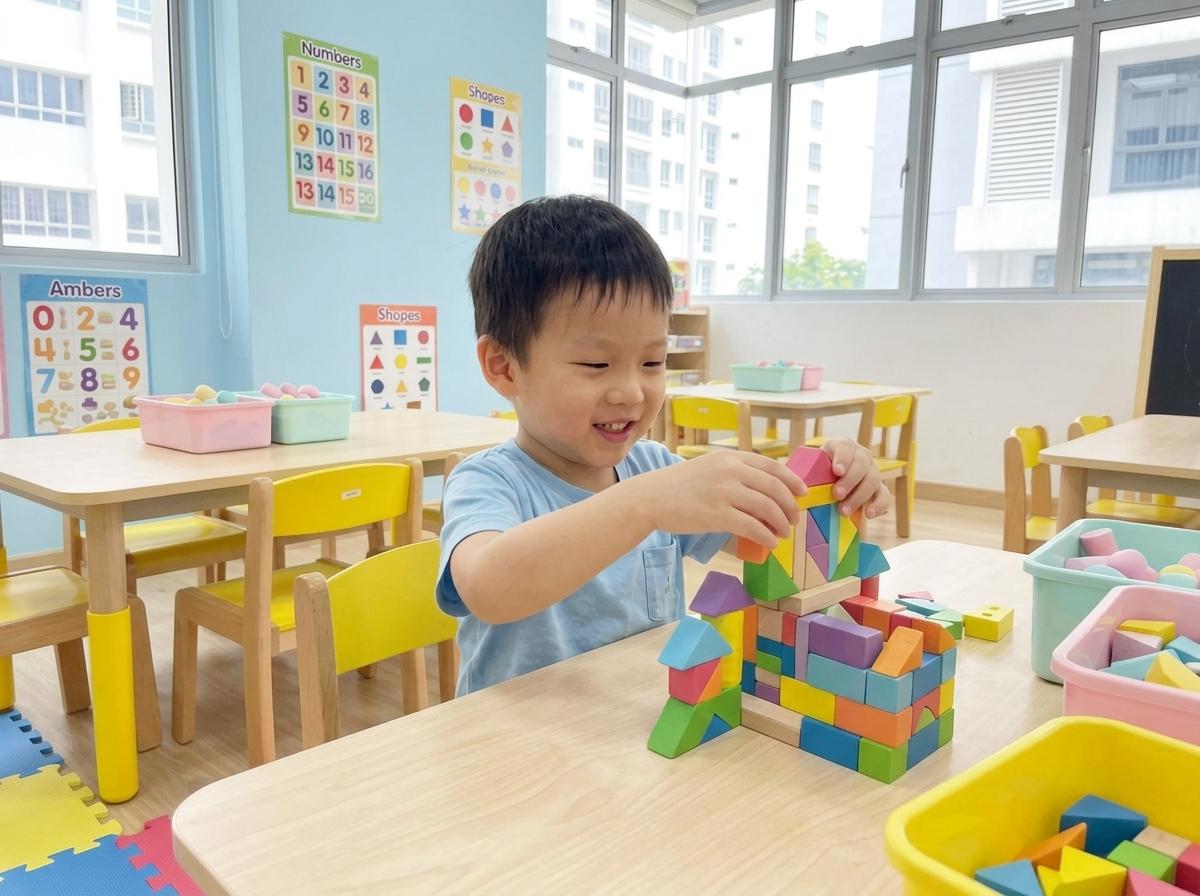
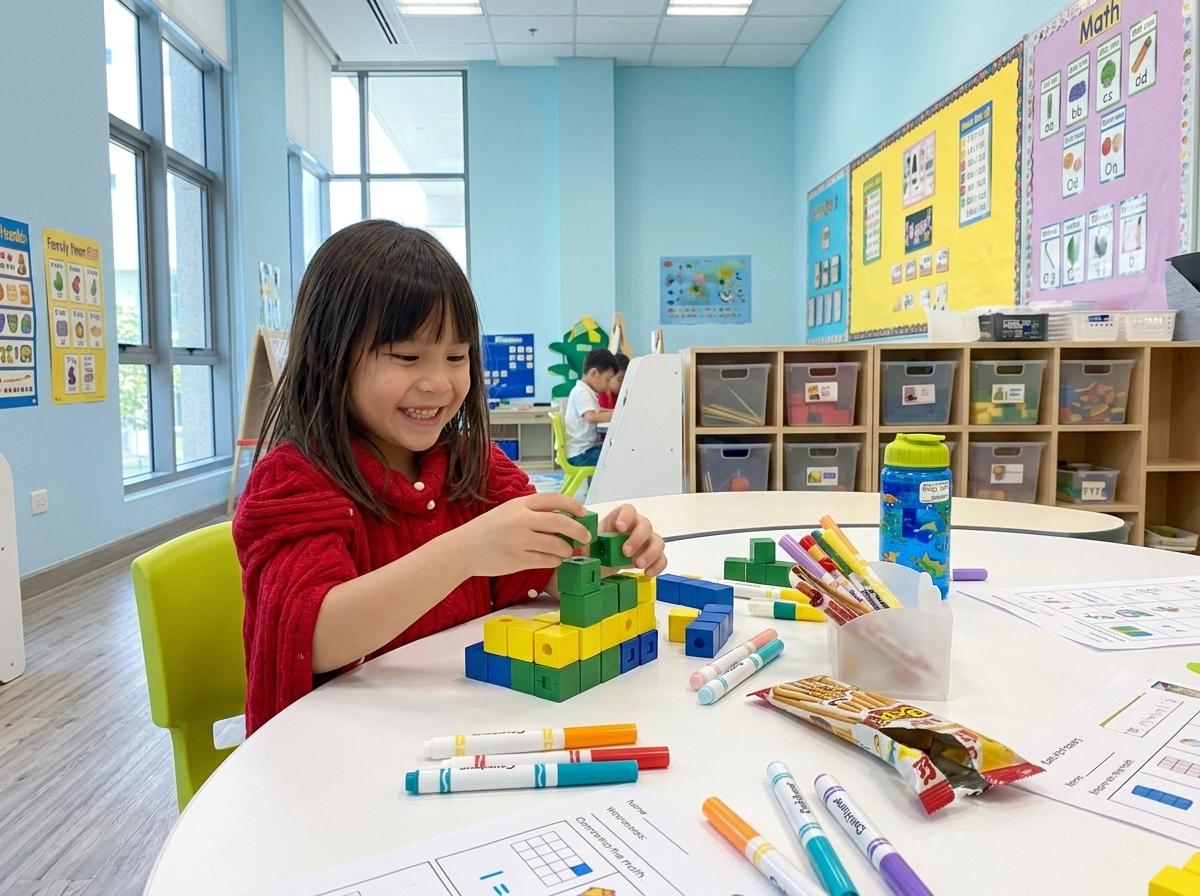
Hands-on math activities give kids the chance to understand numbers and shapes by using real-world objects. Manipulatives like blocks or beads help children see math in action.
Concrete understanding: By touching and moving items, kids develop a clear sense of math concepts. This makes abstract ideas like addition or subtraction easier to grasp.
Engagement and retention: 75% of children remember what they do compared to what they read or hear. Activities involving hands keep kids involved and help them remember lessons longer.
Exploring math through play and hands-on tasks builds a strong foundation for number sense development. Discover more about hands-on math activities.
Integrating STEM and Literacy
Bringing STEM and literacy together helps children see the bigger picture. Kids learn how stories relate to science and math, enhancing both comprehension and creativity.
Real-world connections: When students read about science topics, they understand how math and literature overlap. This teaches them to apply reading comprehension strategies across subjects.
Creative expression: Writing about experiments or math problems encourages kids to think critically. They learn to express ideas clearly and build strong literacy skills.
Integrating these fields fosters a love for learning. It shows kids how subjects connect and apply to everyday life. Explore the integration of STEM and literacy.
Growth Mindset for Kids
A growth mindset allows kids to embrace challenges and learn from mistakes. It’s about seeing effort as a path to mastery, not a sign of failure.
Building Confidence in Learning
When kids believe they can improve, their confidence grows. Encouragement and positive reinforcement teach children to welcome challenges as opportunities to grow.
Embracing mistakes: Learning from errors is part of the process. When kids understand this, they become more resilient and confident in their abilities.
Celebrating progress: Recognizing small wins boosts motivation. Children feel proud of their efforts, which inspires them to keep trying.
Confidence in learning opens doors to academic success and personal growth. Join a community focused on growth mindset.
Closing Learning Gaps
Traditional classrooms sometimes leave gaps in understanding. Hands-on and creative approaches help fill these gaps by offering personalized learning experiences.
Tailored instruction: Activities can be adapted to each child’s level. This ensures that every student progresses at their own pace without feeling left behind.
Engaging lessons: Creative methods keep kids interested and eager to learn. When children are engaged, they absorb information more effectively.
Addressing learning gaps early sets kids up for future success. Learn more about personalized learning approaches.
Experiential Learning Approaches
Experiential learning turns concepts into experiences. It’s about learning by doing, fostering a deeper understanding of both math and literacy.
Kinesthetic and Project-Based Learning for Kids
Kinesthetic learning involves movement and activity. Project-based learning lets students dive into hands-on projects that connect to real-world scenarios.
Active participation: Kids remember lessons better when they’re actively involved. Movement and projects make learning memorable and fun.
Collaboration and communication: Working on projects teaches children to share ideas and work with others. These skills are essential for success in school and beyond.
These approaches develop critical thinking and problem-solving skills in a practical, enjoyable way.
Inquiry-Based Learning and Critical Thinking for Children
Inquiry-based learning sparks curiosity. Kids ask questions, explore answers, and develop critical thinking skills through hands-on investigations.
Question-driven exploration: Encouraging curiosity leads kids to seek answers and learn by discovery. This fosters a lifelong love of learning.
Analytical thinking: Analyzing information and drawing conclusions are key skills. Inquiry-based learning teaches children to think deeply and critically.
These methods prepare children for a future where creative problem-solving and critical thinking are vital.
Frequently Asked Questions
What are the benefits of hands-on math activities?
Hands-on math activities help kids understand concepts by using real-world objects. They improve engagement, retention, and number sense development.
How do STEM and literacy integration benefit children?
Integrating STEM and literacy shows children how subjects connect. It enhances comprehension and creative expression, making learning more engaging.
How does a growth mindset help kids in learning?
A growth mindset encourages kids to embrace challenges and learn from mistakes. It builds confidence and inspires them to see effort as a path to success.
What are the advantages of kinesthetic and project-based learning?
Kinesthetic and project-based learning involve active participation. They improve engagement, collaboration, and critical thinking skills.
Why is inquiry-based learning important?
Inquiry-based learning fosters curiosity and analytical thinking. It encourages kids to explore questions and develop a love for learning through discovery.
Comments