
Why Hands-On Learning Sparks Deep Understanding in Math and Literacy

Traditional math and literacy lessons often leave gaps that frustrate both parents and educators. You’ve probably seen how rote drills miss the mark when it comes to real understanding. Hands-on learning changes everything by turning abstract ideas into tangible experiences that build a growth mindset and deepen conceptual understanding. Let’s explore how this approach closes those learning gaps and sparks confidence in young learners.
The Power of Hands-On Learning
Hands-on learning transforms abstract concepts into real-life experiences. By engaging children in tangible activities, it bridges the gap between understanding and application, making learning more impactful.
Tactile Experiences in Math
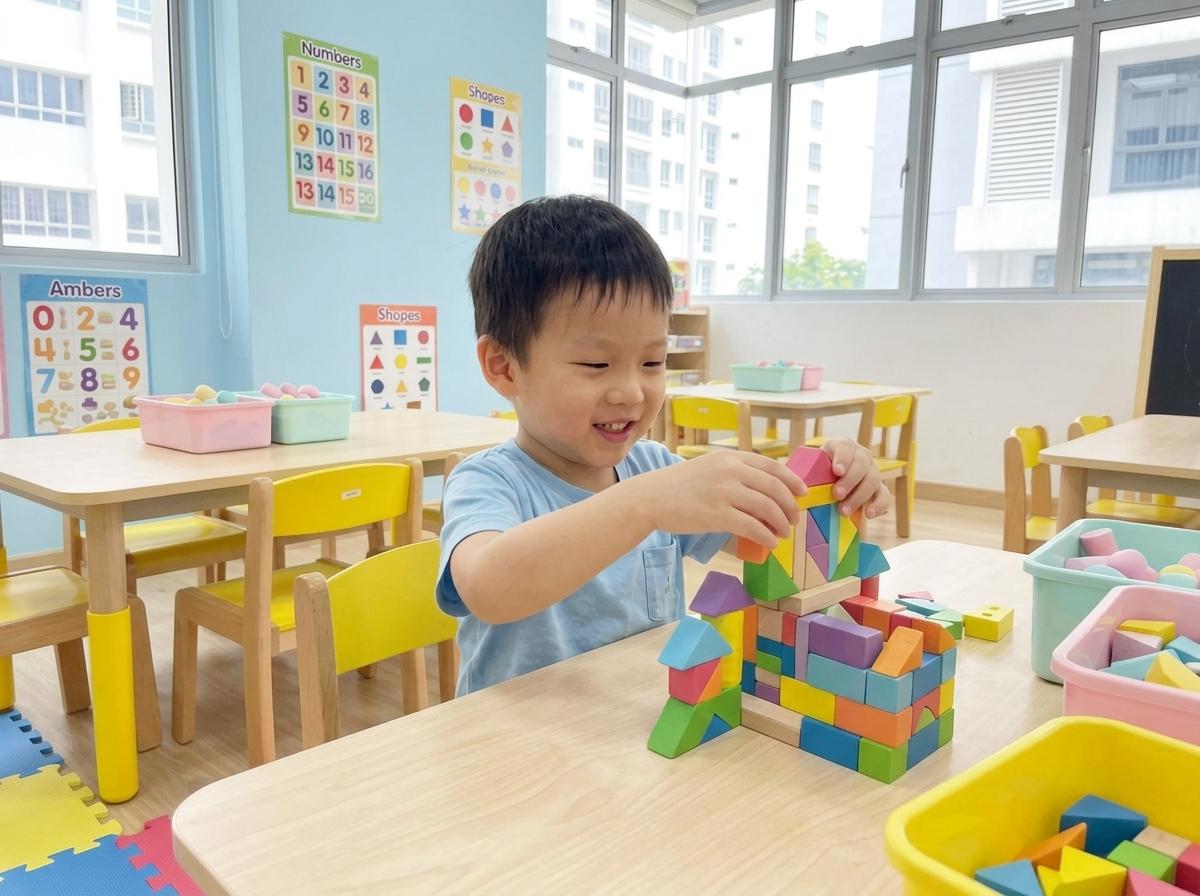
Tactile experiences in math bring numbers and equations to life. When kids use tangible items like blocks or beads, they can visualize mathematical concepts. This method concretizes abstract ideas, enhancing comprehension. Consider how a child learns fractions by cutting a pizza into slices. They see, touch, and understand fractions in action. This approach nurtures a deeper connection to math, making it less intimidating and more approachable.
By integrating tactile tools, educators can motivate children to explore math with curiosity. This method encourages experimentation, allowing kids to learn through trial and error. It also fosters a growth mindset, where mistakes are viewed as opportunities for learning. Ultimately, tactile experiences make math engaging and accessible for young learners.
Creative Literacy Activities
Creative literacy activities engage children beyond traditional reading and writing. By incorporating art, music, and drama, literacy becomes an immersive experience. Imagine a classroom where students create a story through a puppet show. This activity not only enhances storytelling skills but also builds confidence in expressing ideas.
Such activities also improve comprehension. When children act out a scene from a book, they understand characters' motivations and plot developments more deeply. Integrating creativity into literacy lessons invites students to think critically and empathetically. This approach enriches their learning journey, making literacy a dynamic and enjoyable subject.
Movement-Based Learning Benefits
Movement-based learning leverages physical activity to enhance understanding. By incorporating movement## The Power of Hands-On Learning
Turn abstract concepts into reality with hands-on learning. This approach gives children the opportunity to explore ideas through tactile and creative experiences. It bridges the gap from rote memorization to deep understanding.
Tactile Experiences in Math
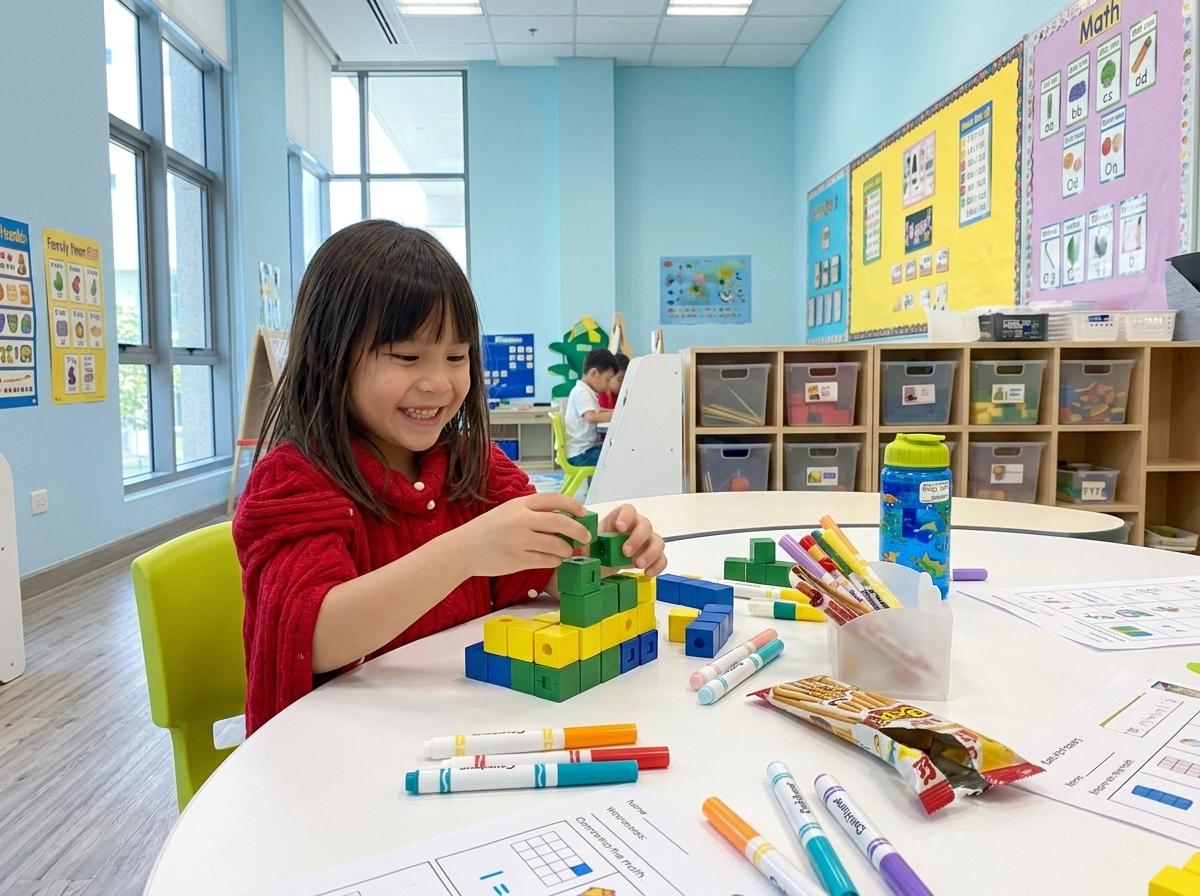
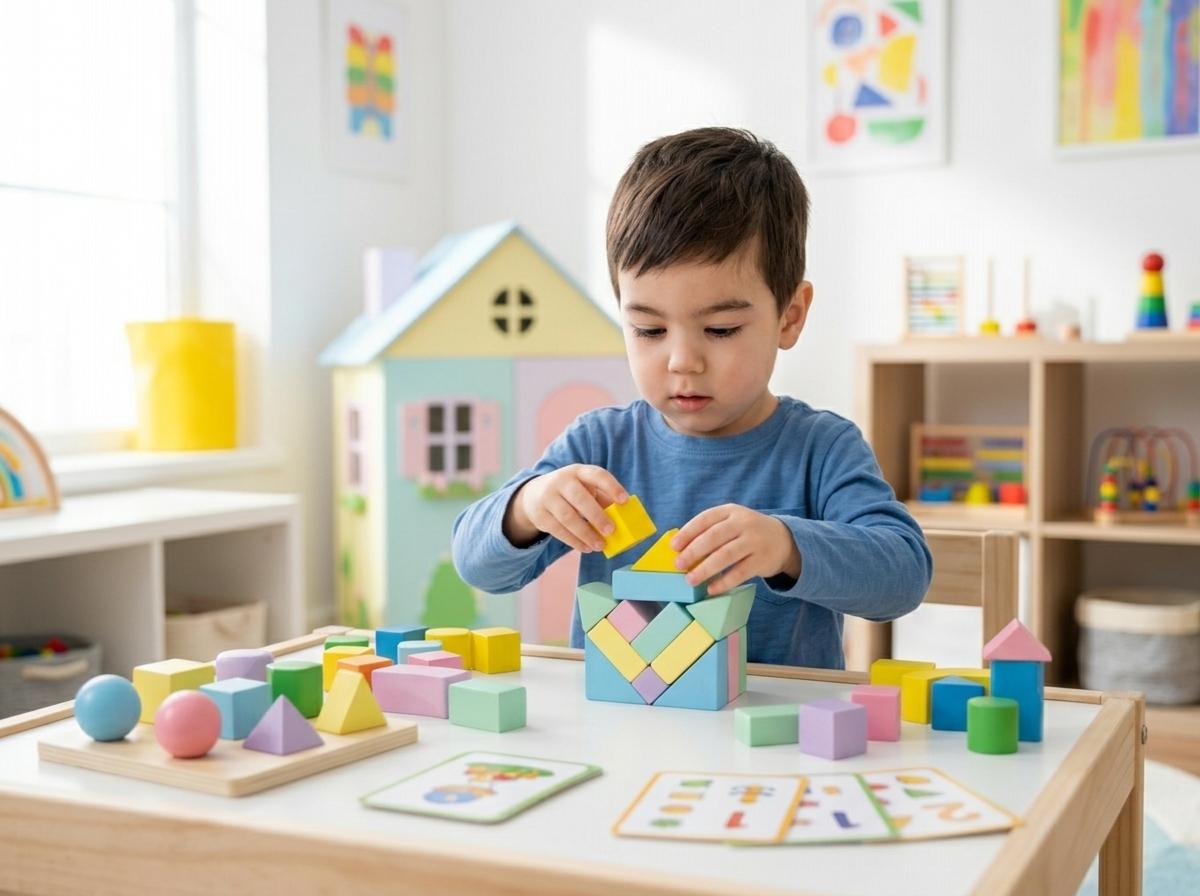
When you introduce children to math through touch, they begin to grasp complex concepts more easily. Consider using objects like blocks or counters to make math tangible. This tactile method helps children visualize problems, moving beyond numbers on a page.
Blocks for Addition: Stack and count blocks to understand adding.
Shapes for Geometry: Use shapes to explore perimeter and area.
These experiences make math relatable and fun. Children not only learn but also enjoy the process, which encourages them to explore further.
Creative Literacy Activities
Literacy becomes exciting when creativity takes the lead. Storytelling and imaginative play allow children to dive into reading and writing with enthusiasm. Picture books and word games engage their minds and foster a love for words.
Storytime Adventures: Transform reading into a narrative journey.
Word Hunts: Encourage kids to find words in their surroundings.
Through these activities, children build language skills in an enjoyable and meaningful way. Their vocabulary and comprehension grow as they engage actively with language.
Movement-Based Learning Benefits
Movement ties learning to physical activity, reinforcing memory. Whether it's dancing through a math problem or acting out a story, movement-based learning taps into a child's natural energy and curiosity.
Dance for Math: Use steps to demonstrate patterns or equations.
Act Out Stories: Turn reading into a dramatic play.
These methods create memorable experiences. Movement engages multiple senses, which strengthens retention and makes learning a dynamic experience.
Building a Growth Mindset
By fostering a growth mindset, children learn that mistakes are stepping stones to success. This mindset encourages resilience and a love for learning, making education a journey rather than a destination.
Encouraging Critical Thinking for Kids
Critical thinking is about asking questions and solving problems creatively. Encourage your child to think about different solutions and explore various options.
Puzzle Challenges: Solve puzzles that require strategic thinking.
Problem Solving Games: Tackle challenges that need creative solutions.
These activities build a child's confidence in their ability to think critically. They learn to view challenges as opportunities to innovate and discover new possibilities.
Overcoming Learning Gaps
Hands-on experiences help close the gaps left by traditional learning methods. By engaging in practical activities, children can fill in the missing pieces in their understanding.
Interactive Workshops: Participate in sessions that target specific skills.
Personalized Projects: Work on tasks that align with their interests.
These approaches address individual learning needs, ensuring that each child progresses at their own pace and fills gaps in their knowledge.
Fostering Curiosity and Confidence
Curiosity is the key to lifelong learning. Encourage your child to ask questions and explore the world around them. Confidence builds when they see their ideas valued and their questions answered.
Exploration Time: Allow free time for discovery and play.
Encouragement Notes: Offer positive feedback for their efforts.
These practices nurture a child's natural curiosity and build their confidence. They learn that it's okay to make mistakes and that each error is a chance to learn something new.
Integrating Math and Literacy
Bringing math and literacy together creates a holistic learning environment. This integration helps children see connections between subjects and apply their skills in diverse ways.
Multisensory Literacy Techniques
Using multiple senses enhances literacy learning. Combining visual, auditory, and kinesthetic methods supports all learning styles.
Touch and Trace: Use sandpaper letters to feel and trace words.
Sound and Sight: Pair sounds with images to reinforce learning.
These techniques engage different parts of the brain, making literacy learning more effective and enjoyable.
Math Manipulatives for Conceptual Understanding
Manipulatives like beads or number lines help children understand math concepts. They provide a hands-on way to explore numbers and operations.
Counting Beads: Visualize addition and subtraction.
Number Lines: Explore sequences and intervals.
These tools simplify complex ideas, allowing children to see mathematics as part of their everyday lives.
Inquiry-Based Learning Strategies 🌟
Inquiry-based learning encourages children to ask questions and seek answers. This strategy fosters independence and critical thinking.
Research Projects: Investigate topics of interest and present findings.
Science Experiments: Conduct experiments to explore scientific concepts.
These activities motivate children to take charge of their learning. They become active participants in their education, exploring subjects with curiosity and enthusiasm.
Frequently Asked Questions
What is hands-on learning?
Hands-on learning involves engaging with materials and activities that allow learners to explore concepts through direct experience. It helps make abstract ideas concrete and enhances understanding.
How does a growth mindset benefit children?
A growth mindset helps children embrace challenges and view mistakes as opportunities for learning. It builds resilience and encourages a positive attitude towards education.
Why integrate math and literacy?
Integrating math and literacy helps children see the connections between subjects. It enriches their understanding and allows them to apply skills across different areas of learning.
Hands-on learning transforms education into an immersive experience. By using tactile, creative, and movement-based methods, children develop a deeper understanding of math and literacy. Keep exploring these methods to empower young learners and close learning gaps effectively.
Comments