
Beyond Drills: How to Build Math Confidence in Children

Forget everything you know about building math confidence through endless drills. When children face math as a maze of repetition, their curiosity and joy often get lost. At Growing IQ, we focus on growth mindset math that sparks real understanding and excitement—without relying on rote memorization. You’ll learn how to nurture math confidence for kids using hands-on math activities and creative math learning that fill gaps left by traditional education. For more insights on fostering math confidence, you can check out this article.
Building Math Confidence
Growth Mindset in Math
Imagine a world where math isn't just numbers on a page, but a vibrant landscape of possibilities. That's what a growth mindset in math offers. By embracing this approach, children learn to see challenges as opportunities for growth. They discover that mistakes aren't failures, but stepping stones to understanding. This mindset shift takes math from a dreaded task to an exciting adventure. Kids become resilient learners, ready to tackle any problem with confidence.
Hands-On Math Activities
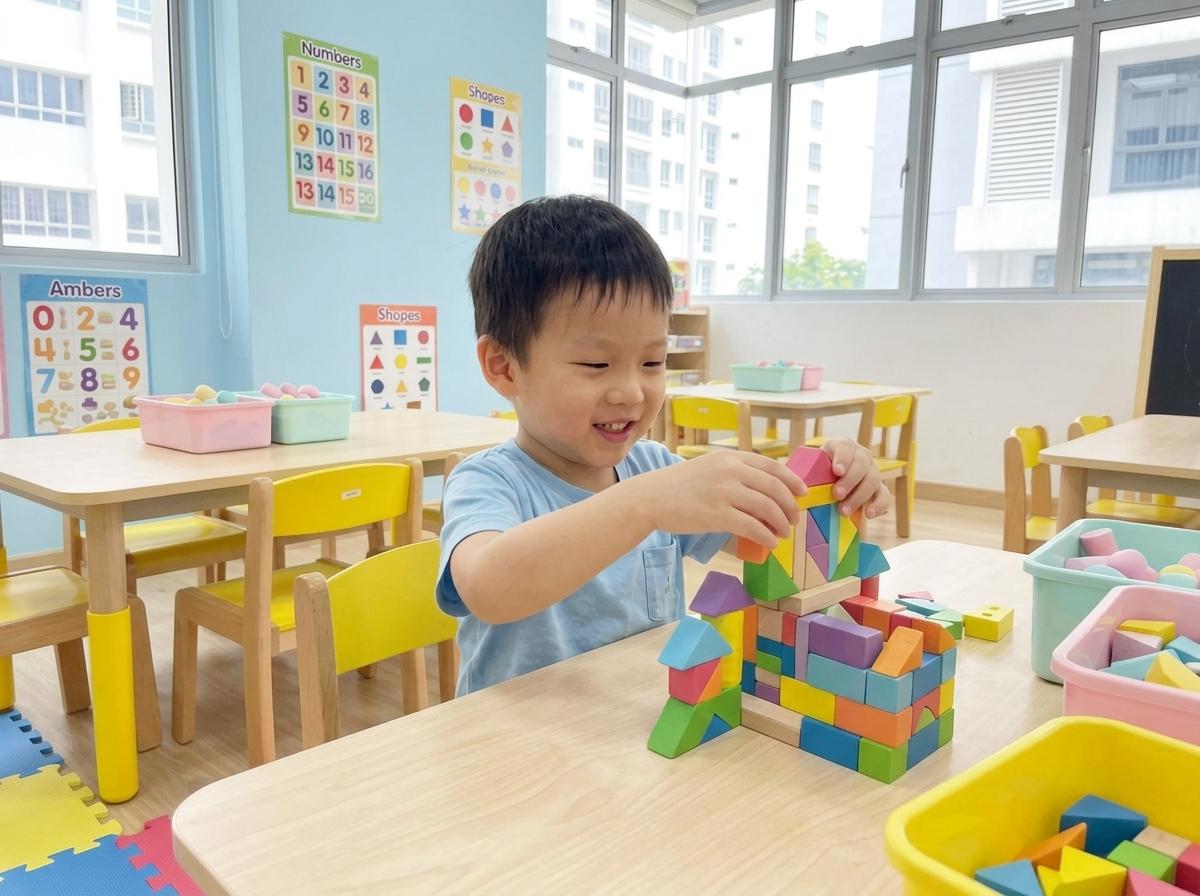
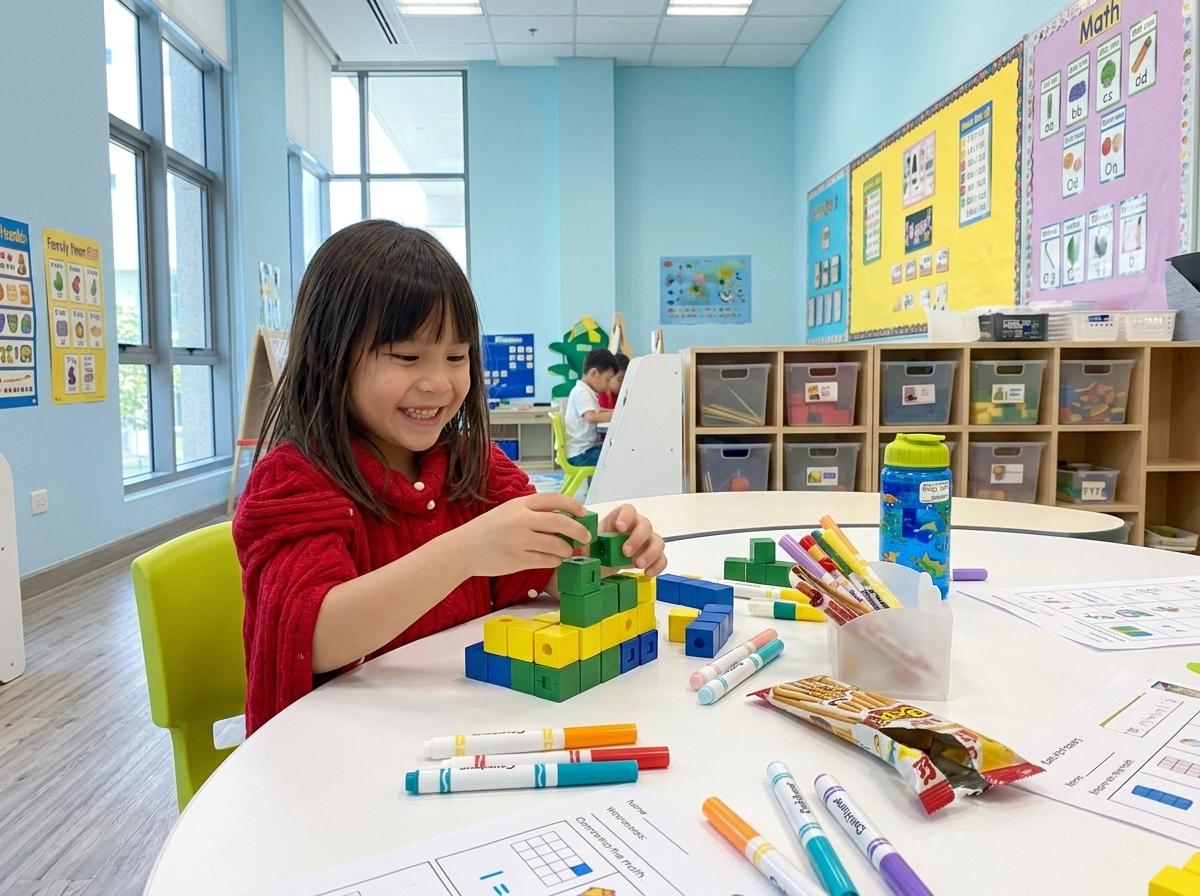
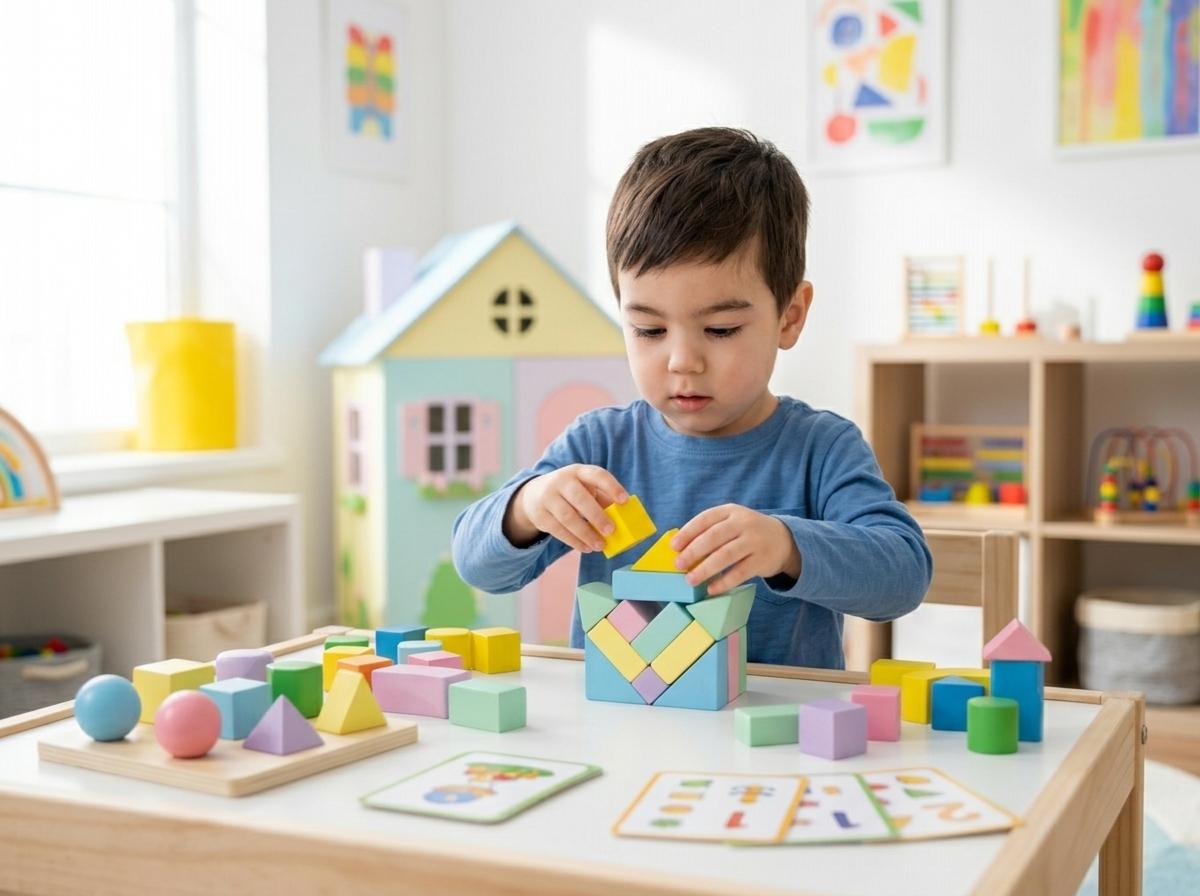
How can we make math feel real? Through hands-on activities. When children use physical objects to explore math concepts, they engage more deeply. Whether it's building shapes with blocks or measuring ingredients for a recipe, these activities make abstract ideas tangible. They cater to a child's natural curiosity, turning learning into play. Imagine the joy on a child's face when they solve a problem using their hands and imagination. This active learning builds a strong foundation for future math success.
Math Anxiety Solutions
Math anxiety can feel like a roadblock, but it doesn't have to be. Solutions are within reach. Start by creating a supportive environment where mistakes are okay. Encourage a positive attitude towards math by celebrating small wins. Use engaging tools and resources to make math relatable. For instance, storytelling can transform math problems into relatable narratives. By addressing anxiety head-on, you empower children to approach math with confidence and curiosity.
Creative Math Learning
Math Music Motion
Music and motion can transform math into a joyful experience. By combining rhythm and movement, kids can explore math concepts in a playful way. This method engages multiple senses, making learning memorable. Imagine a classroom where counting happens through dance, and patterns emerge through clapping games. It's a dynamic approach that nurtures both creativity and understanding. For more on how to inspire math confidence, see this inspiring article.
Math Storytelling for Kids
Storytelling brings math to life. It turns numbers into characters and problems into plots. When kids hear a story, they're naturally engaged, eager to find out what happens next. By weaving math into narratives, you make it relevant and exciting. Kids learn to connect math with real-life situations, enhancing their understanding and retention. This method taps into their imagination, making math not only accessible but also enjoyable.
Number Sense Games
Games are a powerful tool in math education. They make learning fun and interactive. Number sense games, in particular, help kids develop an intuitive understanding of numbers. These games encourage strategic thinking and problem-solving. They also provide a safe space for experimentation and trial and error. Through play, children build confidence and competence in math, setting the stage for more complex concepts. Discover how you can support math confidence for your child with tips from this resource.
Personalized Math Programs
Early Childhood Math
Early childhood is a critical time for developing math skills. Personalized programs cater to young learners' unique needs and interests. By focusing on play-based learning, these programs make math accessible and engaging. Activities are designed to spark curiosity and foster a love for learning. Children explore math through stories, songs, and games, laying the groundwork for future success. This approach nurtures a positive attitude towards math from the start.
Critical Thinking for Children
Critical thinking is at the heart of math education. Personalized programs encourage children to question, analyze, and explore. Through problem-solving activities, kids learn to approach challenges with an open mind. They develop the skills needed to think logically and make connections. This ability to think critically extends beyond math, benefiting all areas of learning. By fostering these skills early, you prepare children for a lifetime of success.
K-8 Math Enrichment 🎓
Math enrichment programs offer opportunities for deeper exploration. They provide a space for students to challenge themselves and expand their knowledge. These programs often include project-based learning, where students apply math concepts to real-world situations. By engaging in complex tasks, children develop a deeper understanding of math. They learn to appreciate its relevance and power, building confidence along the way. Through enrichment, students discover that math is not just a subject but a tool for innovation and change.
Frequently Asked Questions
What is a growth mindset in math? A growth mindset in math involves viewing challenges as opportunities to learn and improve. It encourages resilience and a positive attitude towards problem-solving, helping children see mistakes as part of the learning process.
How can hands-on activities benefit math learning? Hands-on activities make math concepts tangible and relatable. They engage children’s senses and curiosity, transforming abstract ideas into concrete experiences. This approach lays a solid foundation for future math success.
What are some math anxiety solutions for kids? To address math anxiety, create a supportive environment that celebrates effort and progress. Use engaging tools like storytelling and games to make math relatable. Encouragement and positive reinforcement are key to building confidence.
How does storytelling enhance math learning? Storytelling makes math relatable by turning numbers into narratives. It engages children's imagination, helping them connect math concepts to real-life situations, which enhances understanding and retention.
What are the benefits of math enrichment programs? Math enrichment programs offer advanced exploration of math concepts. They encourage critical thinking and problem-solving, helping students see math as a tool for innovation and change while building confidence and competence.
Comments