
Hands-On Math, Big Minds: How Experiential Activities Grow Critical Thinkers and Confident Kids

Forget everything you know about traditional math lessons. When kids touch, move, and explore math concepts, their minds light up in new ways. Hands-on math activities don’t just teach numbers—they build sharp critical thinking for kids and boost math confidence for children struggling with anxiety. In this post, you’ll see why a creative math program like Growing IQ makes all the difference in turning math into a joyful adventure. Read more here.
Hands-On Math Activities for Growth
Children's interaction with math transforms when they engage in hands-on activities. These methods foster a deeper understanding and ignite a passion for learning. Let's explore how this approach builds confidence and sharpens young minds.
Building Math Confidence in Children
Imagine a child who once dreaded math. Now, they're eagerly playing with numbers and shapes, feeling the thrill of solving puzzles. This transformation is possible with hands-on math activities. Kids become active participants in their learning, which boosts their math confidence.
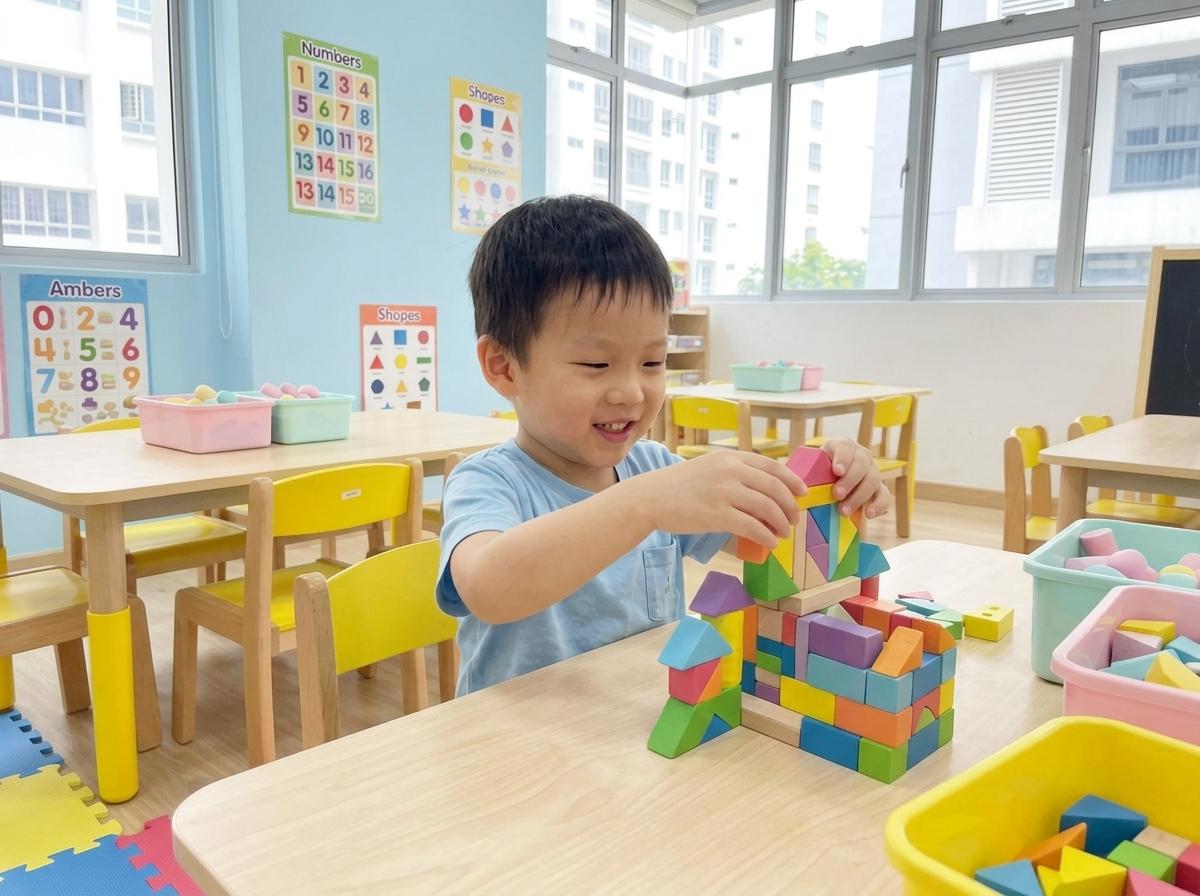
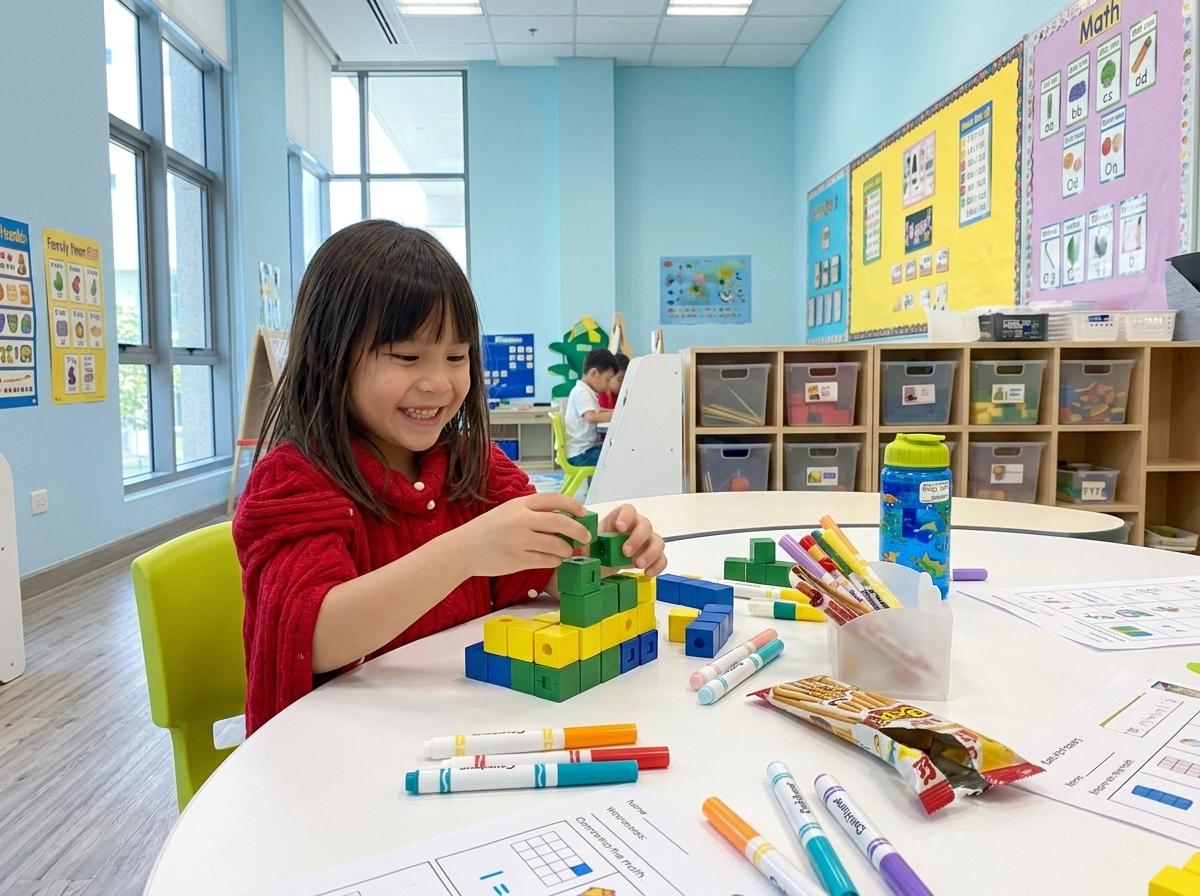
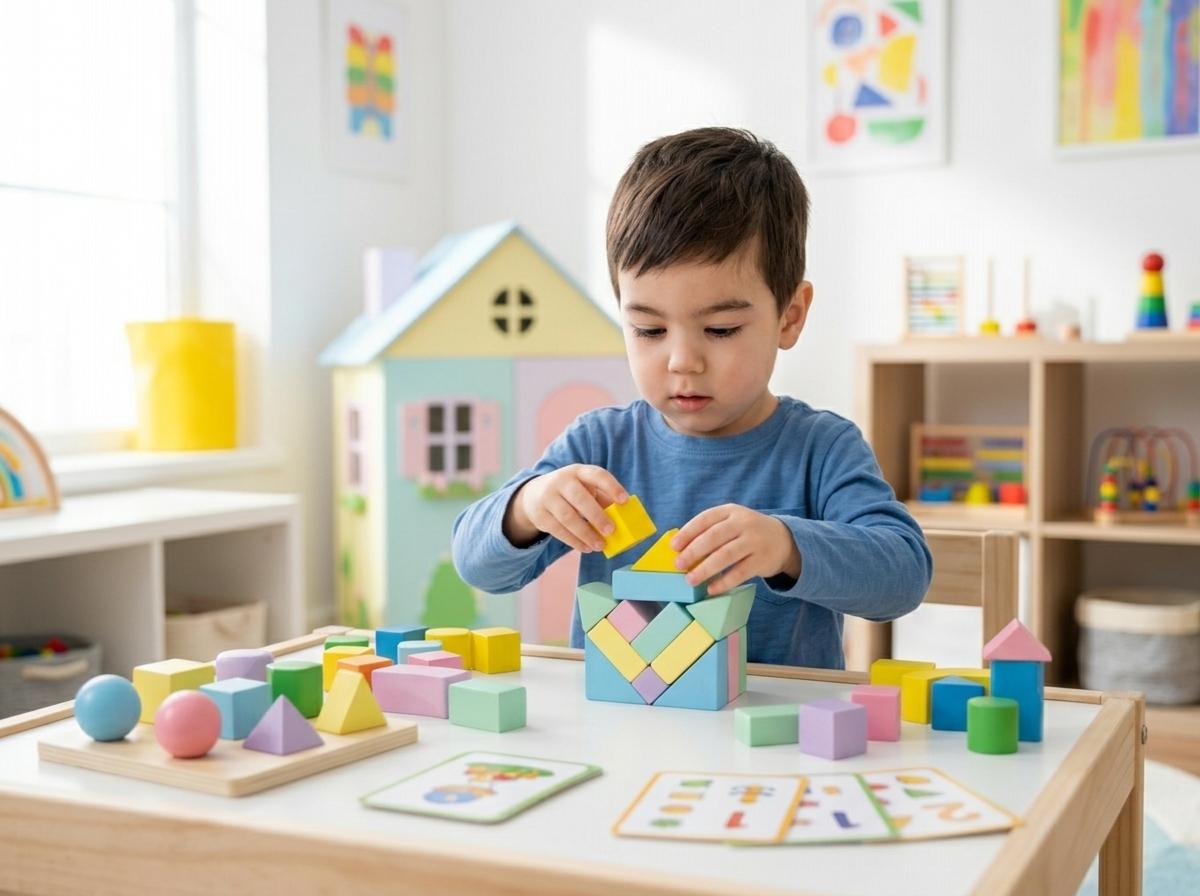
Playful Interaction: Using tools like blocks or beads allows children to visualize math concepts. They can see addition and subtraction come to life in front of them.
Real-Life Application: When math is taught through everyday activities, like cooking or shopping, children see its relevance. They understand how math fits into their world, which reduces anxiety and builds confidence.
Most traditional methods focus on memorization, leading to frustration. But hands-on activities provide a refreshing approach that highlights problem-solving and creativity. With each success, children build a solid foundation for math learning, paving the way for future academic success.
Experiential Learning in Math
Experiential learning turns math into a thrilling adventure. It goes beyond textbooks, involving students in real-world scenarios that require critical thinking. When children actively participate, they grasp complex ideas more easily.
Interactive Lessons: Activities like creating patterns with colorful tiles or measuring items around the house make math tangible and fun. These exercises foster engagement and understanding.
Collaborative Projects: Group activities encourage teamwork and communication. Kids learn from each other while solving problems, enhancing their social and cognitive skills.
By combining play with learning, we break the mold of conventional teaching. Children develop not only math skills but also a love for the subject. This method lays the groundwork for a lifelong appreciation of math.
Critical Thinking and Math Confidence
As children grow confident in math, their critical thinking abilities blossom. This section delves into the role of creative math programs in nurturing these essential skills.
Creative Math Program Insights
At Growing IQ, our unique programs tap into children's natural curiosity. We believe in making math a dynamic and engaging experience. Our approach focuses on understanding concepts over rote memorization.
Growth Mindset Approach: Encouraging a positive attitude toward challenges helps children view mistakes as learning opportunities. This mindset fosters resilience and a love for problem-solving.
Tailored Learning Paths: Each child is unique. Our assessments customize the learning journey, ensuring that activities match their pace and interests. This personalized attention boosts confidence and motivation.
Traditional math lessons often overlook these elements, leading to disengagement. But with a creative math program, we empower children to think critically and explore math with enthusiasm.
Problem-Solving Skills for Kids
Solving problems is at the core of math learning. Through hands-on activities, children develop these skills naturally. They learn to break down complex problems into manageable parts.
Interactive Challenges: Games and puzzles encourage strategic thinking. Kids learn to analyze situations, make decisions, and test solutions.
Encouraging Inquiry: Asking questions is vital. We promote a culture where students feel comfortable exploring "why" and "how," leading to deeper understanding and confidence.
Most people think problem-solving is innate, but it's a skill that can be cultivated. By nurturing this ability early, we prepare children for academic and real-world challenges.
Personalized Learning Paths for Success
Each child's learning journey is unique. Personalized paths cater to individual strengths and areas for growth, ensuring a comprehensive understanding of math.
Music and Motion Math Exploration
Imagine combining math with music and movement. This innovative approach captivates young minds and makes learning fun. Music and motion are powerful tools for enhancing math skills.
Rhythmic Patterns: Music helps children recognize patterns, an essential math skill. Clapping to rhythms or dancing to beats introduces concepts like sequencing and counting.
Physical Movement: Activities that involve jumping or stepping help children grasp spatial relationships and measurement. Movement connects physical experiences with abstract concepts.
This method breaks the stereotype that math is static and boring. It shows children that math is vibrant and full of life, transforming their perception of the subject.
Socratic Questioning in Math Education
Socratic questioning encourages critical thinking by prompting students to explore different perspectives. This technique is vital in math education for developing reasoning skills.
Guided Discovery: Teachers ask open-ended questions, guiding children to discover answers themselves. This process stimulates curiosity and deepens understanding.
Reflective Thinking: Encouraging students to explain their thought processes helps solidify concepts. They gain insight into their reasoning and improve their problem-solving abilities.
By focusing on inquiry-based learning, we challenge the notion that math is about getting the "right" answer. Instead, it's about exploring possibilities and developing a deeper understanding.
In conclusion, hands-on math activities are key to building critical thinkers and confident learners. By engaging children in experiential learning and creative programs, we set the stage for lifelong success in math and beyond.
Comments