
Conceptual Math Comes First: Building Confident Thinkers in Early Childhood

Forget what you know about math drills and memorization. When kids grasp the big ideas first, they build confidence that lasts. Conceptual math learning lays the foundation for strong number sense, sharp critical thinking, and even better reading skills. Let’s explore how this approach closes learning gaps and sparks real curiosity in young learners. Learn more.
Conceptual Math Learning Benefits
Understanding math concepts first can change how kids see math forever. Diving into the big picture helps them see math as fun and exciting. Let's see how this builds their confidence.
Building Math Confidence for Kids
Imagine a world where math isn't scary. When kids learn concepts first, they feel strong and ready to tackle any math problem. This approach helps them see math as a friend, not a foe. They become eager to learn more, which boosts their self-esteem.
Every child is unique, and this way of learning respects that. By focusing on concepts, kids understand the "why" behind the math. This understanding makes them feel secure, knowing they can solve problems on their own. As they build confidence, their fear of math disappears, and their curiosity grows.
In a world that often rushes to get answers, taking time to understand concepts makes a big difference. Kids who are confident in math are ready to face challenges in school and beyond. They feel proud of what they know, which is the first step to loving math.
Growth Mindset for Early Learners
Kids who think they can improve tend to do better in math. This belief is called a growth mindset. It's like saying, "I can learn this if I keep trying." Encouraging this mindset in young children can lead to amazing results.
Children with a growth mindset see mistakes as chances to learn. They understand that struggling sometimes is part of getting better. This attitude helps them stay motivated even when math problems get tough. They start to enjoy the process of learning, not just the end result.
Parents and teachers can help by praising efforts, not just success. This teaches kids that hard work and persistence matter more than getting everything right the first time. With this mindset, kids are prepared to overcome obstacles and achieve their math goals.
Hands-On Math Activities
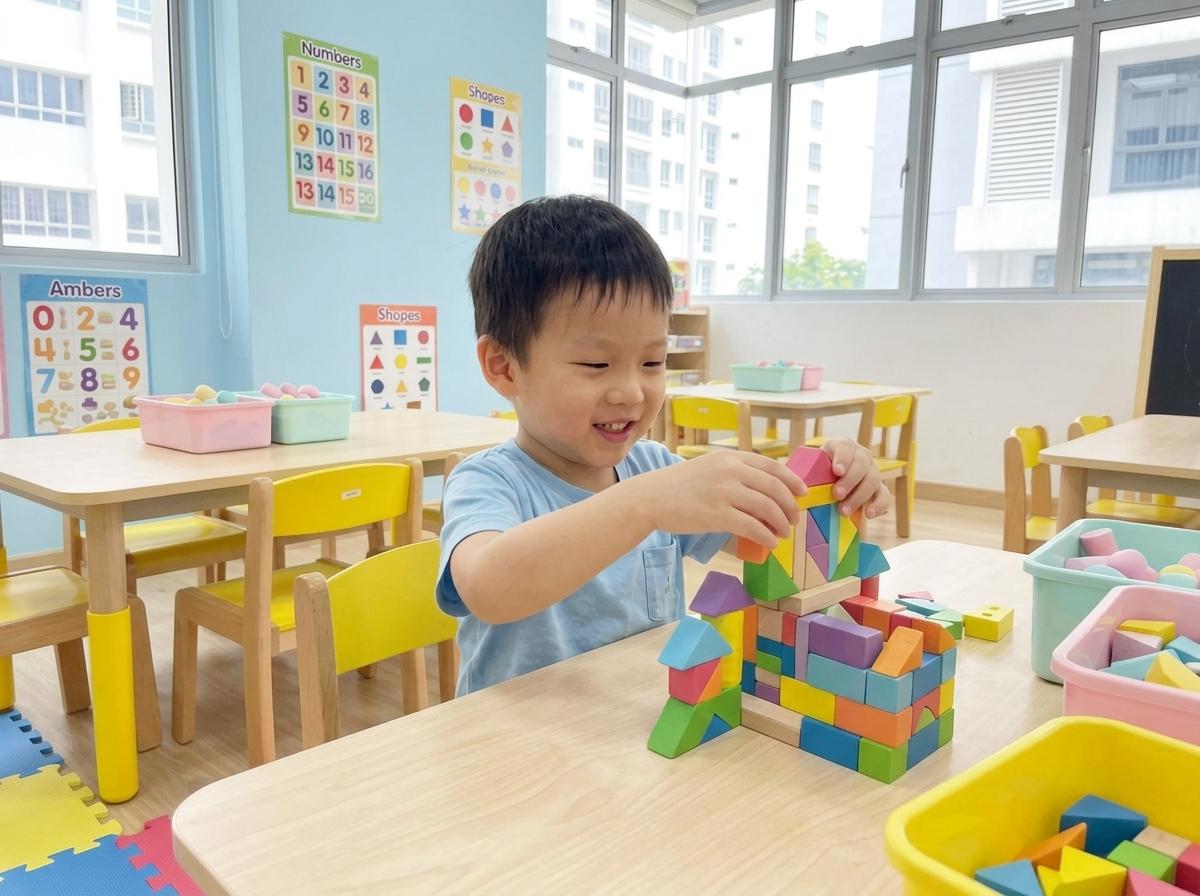
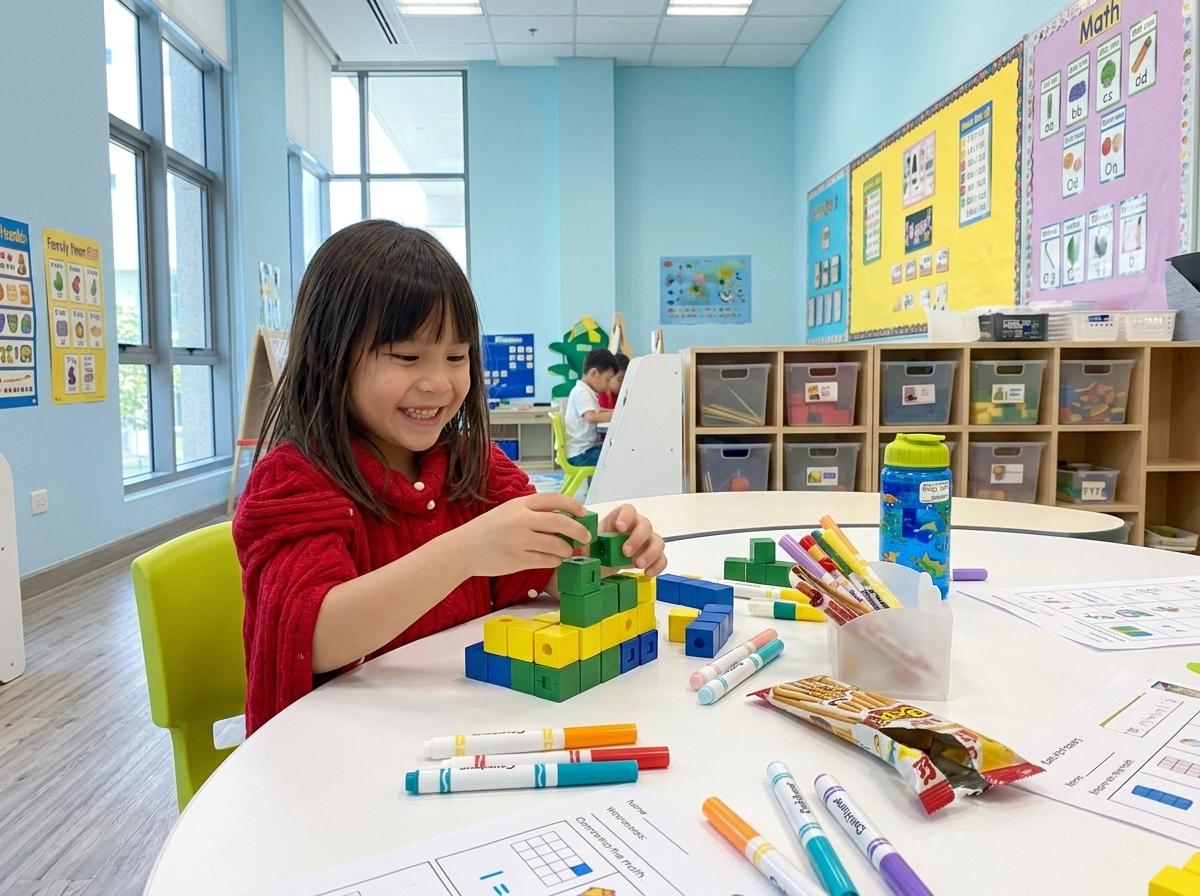
Using hands-on activities makes math come alive. When kids use their hands, they engage their minds in new and exciting ways. These activities make abstract concepts feel real and## Conceptual Math Learning Benefits
Understanding math concepts first serves as a powerful tool to build lasting skills in children. This approach focuses on comprehension, ensuring kids can apply their math skills in various situations.
Building Math Confidence for Kids
Boosting confidence is key in learning math. When children understand concepts, they tackle problems with ease. Instead of memorizing procedures, they learn to think critically. The result: confident problem-solvers who are not afraid to take on challenging tasks.
One common assumption is that children should memorize facts first. However, studies show that when kids grasp the 'why' behind math, their confidence soars. This understanding leads to better retention of information and a genuine interest in learning.
Most students excel when they see math as a series of concepts rather than hurdles. Encouraging this mindset helps them enjoy the subject and excel academically.
Growth Mindset for Early Learners
Instilling a growth mindset in young learners opens doors to endless possibilities. They learn that effort leads to improvement and that mistakes are part of the learning process.
Parents often fear their child might fall behind. But with a growth mindset, children learn resilience. They understand that challenges help them grow, leading to a more positive learning experience.
A true growth mindset celebrates effort, not just results. This shift in thinking transforms how children perceive their abilities, leading to lasting success in school and life.
Hands-On Math Activities
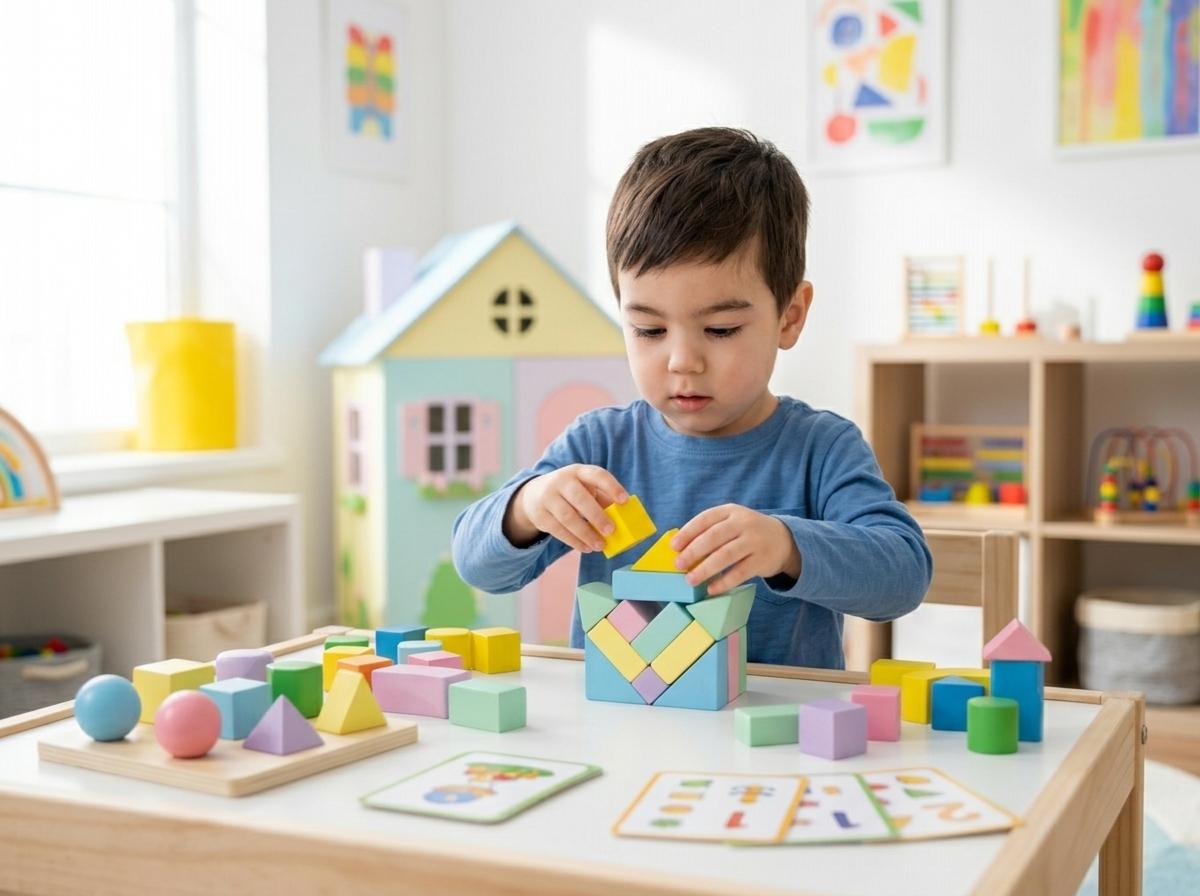
Engaging children with hands-on activities fosters deeper understanding. These activities allow learners to explore and discover math concepts in a fun and interactive way.
One example is using everyday objects for math exploration. Kids can count buttons, sort shapes, or measure ingredients. These activities make math relatable and enjoyable.
By incorporating hands-on experiences, children connect abstract concepts with real-world applications. This approach encourages creativity and critical thinking, essential skills for future success.
Integrated Math and Literacy
Blending math with literacy skills enhances overall learning. This integration encourages children to see connections across subjects, boosting their critical thinking abilities.
Critical Thinking for Children
Critical thinking is a crucial skill for young learners. It helps them analyze, evaluate, and create solutions in various contexts.
By focusing on conceptual understanding, children develop the ability to think critically. They learn to ask questions, make decisions, and solve problems effectively.
Teachers and parents can foster this skill by encouraging open-ended questions and discussions. This environment nurtures inquisitive minds and prepares children for future challenges.
Early Childhood Number Sense
Developing strong number sense in early childhood sets the stage for future math success. It involves understanding numbers and their relationships, which is fundamental for higher-level math concepts.
Children with solid number sense can easily grasp more complex ideas. They develop mental math skills and a knack for problem-solving, crucial for academic achievement.
Parents and educators should focus on interactive activities that promote number sense. Games, puzzles, and everyday math conversations can significantly enhance a child's numerical understanding.
Close Learning Gaps in Math
Addressing learning gaps is essential to ensure all children succeed. Conceptual math learning helps identify and close these gaps effectively.
Traditional methods often overlook individual needs. However, by focusing on understanding first, educators can pinpoint areas of difficulty and provide targeted support.
Closing these gaps early prevents future struggles. It builds a strong foundation for lifelong learning and empowers children to reach their full potential.
Exploring Creative Math Curriculum
Creative math curricula ignite curiosity and make learning enjoyable. These programs integrate various techniques to enrich young learners' experiences.
Math Music Motion for Preschoolers
Combining music and motion with math engages preschoolers and makes learning fun. This approach stimulates different learning styles and enhances retention.
Music helps children internalize patterns and rhythms, crucial for mathematical concepts. Movement adds an element of kinesthetic learning, keeping young minds active and interested.
Programs like Math Music Motion capture children's attention and make math an enjoyable adventure. They foster a love for learning that lasts a lifetime.
Personalized Math Assessment Approach
A personalized approach to math assessment ensures each child's unique needs are met. This method identifies strengths and areas for improvement, allowing tailored instruction.
Assessments focus on understanding, not just rote memorization. They provide insights into a child's learning style and help educators adapt teaching strategies accordingly.
By personalizing assessments, educators can create a supportive environment where every child thrives. This approach builds confidence and encourages continuous growth.
Experiential Learning in Math 🎓
Experiential learning in math provides opportunities for students to apply concepts in real-world situations. This hands-on approach enhances understanding and retention.
Activities like projects, experiments, and real-life problem-solving make math relevant and engaging. They allow children to see the practical applications of what they learn.
Experiential learning fosters curiosity and creativity, essential traits for academic and personal success. It prepares students to tackle challenges with confidence and enthusiasm.
In conclusion, adopting a concept-first approach in math education transforms how children learn and perceive the subject. By nurturing a growth mindset, engaging in hands-on activities, and integrating creative curricula, educators and parents can empower young learners to excel in math and beyond.
Comments