
Beyond Memorization: Building Lasting Math Confidence in Kids

Spatial reasoning is a key component often overlooked in early education. While many focus on multiplication tables and reading comprehension, few realize the vast impact that spatial ability has on a child’s overall cognitive development. Elevating spatial thinking in elementary classrooms can unlock a world of problem-solving skills and abstract thinking capabilities. Here's why spatial reasoning deserves a front-row seat in education and how it can fundamentally shape future learning experiences for your child.
Emphasizing Spatial Skills
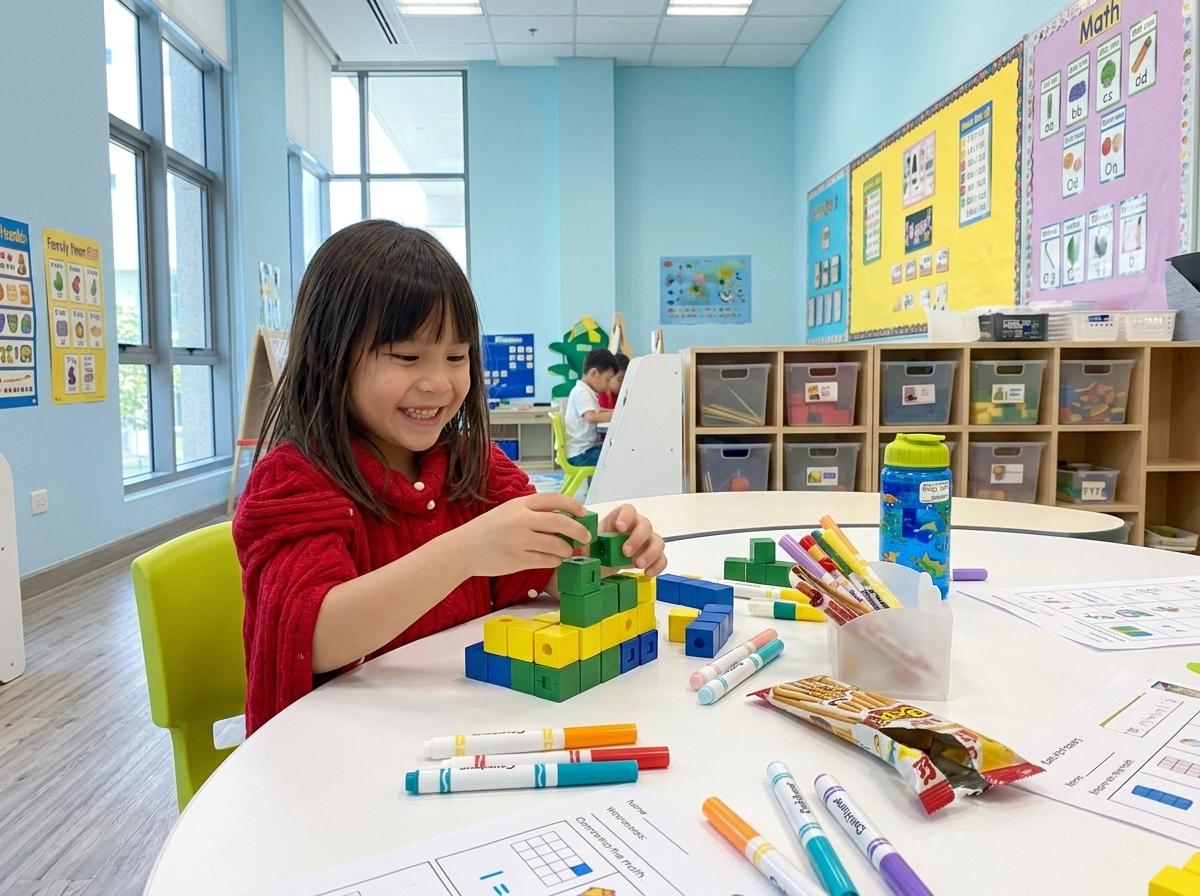
Imagine your child navigating a puzzle with ease or constructing a complex Lego model with confidence. These are examples of spatial reasoning at work, which allows children to visualize and manipulate objects mentally. Incorporating spatial skills into everyday learning nurtures curiosity and innovation. This foundational skill is not just about getting the task done—it's about understanding spatial relationships and leveraging them creatively, which fosters critical thinking and adaptability.
Moving Beyond Traditional Methods
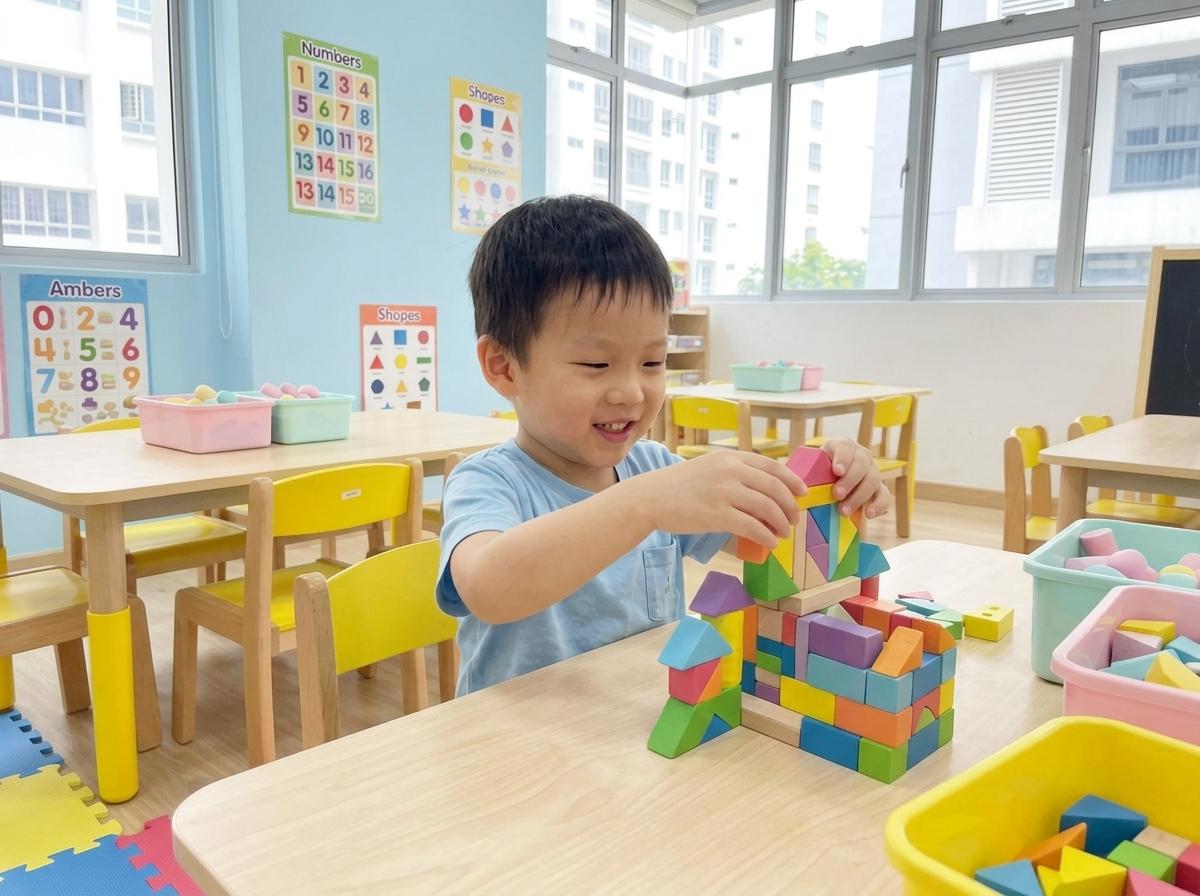
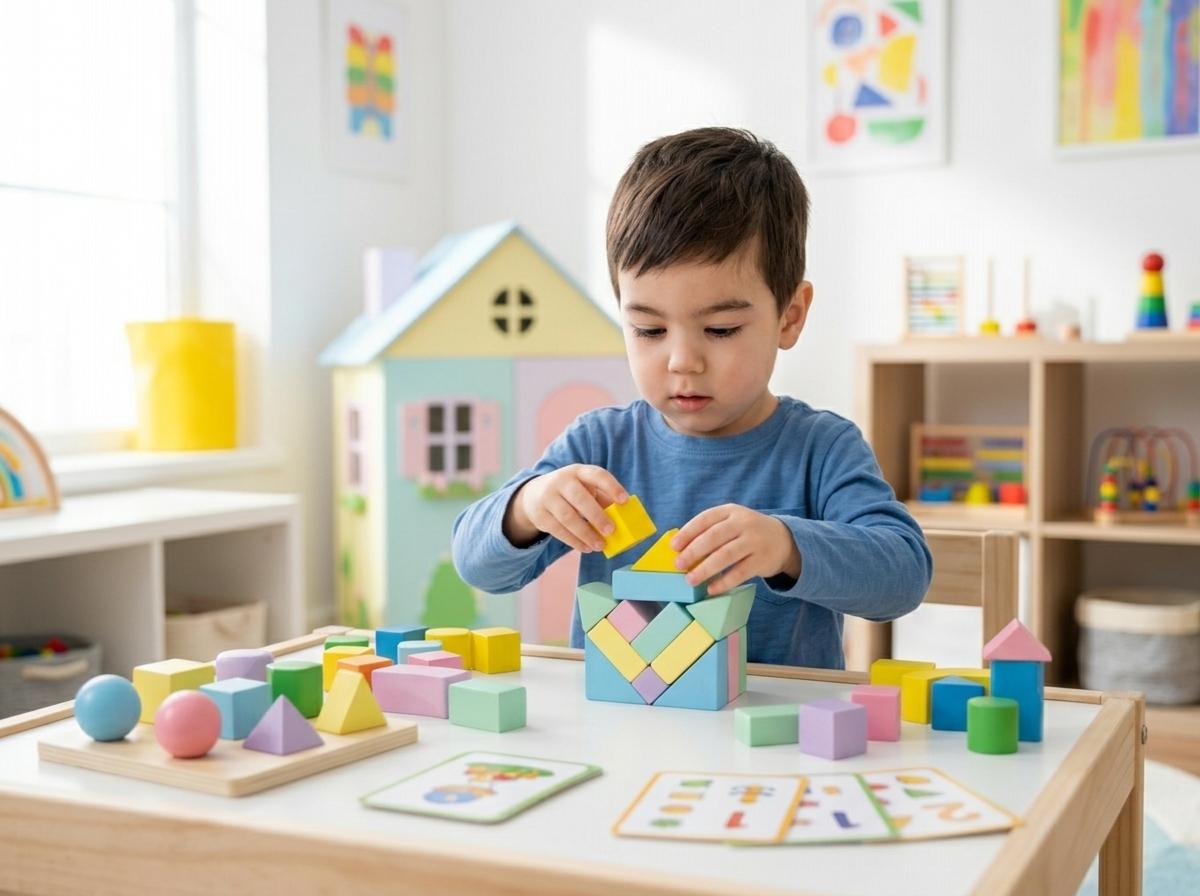
Relying solely on traditional memorization techniques misses the opportunity to develop spatial abilities, which are crucial for mastering subjects like geometry and physics later on. Enhancing spatial intelligence can reduce anxiety and frustration associated with learning by making concepts more tangible and relatable. Tools like building blocks and interactive design software translate abstract ideas into real-world applications, motivating students to dive deeper into their studies.
Addressing Learning Gaps with Spatial Reasoning
Identifying and nurturing spatial intelligence early can correct potential learning gaps before they widen. Each child’s perception and understanding vary, but spatial reasoning exercises help level the playing field by offering diverse perspectives and problem-solving approaches. These strategies not only support math skills but also encourage cross-disciplinary growth, benefiting literacy, science, and more.
Spatial Reasoning in Action
Incorporating spatial exercises such as mapping activities, art projects, and game-based learning can revolutionize the way children engage with their studies. A class project on designing a mini-city stimulates imagination and spatial skill simultaneously. When children see spatial tasks as challenging adventures rather than chores, their enthusiasm for learning blossoms, driving better educational outcomes across the board.
In essence, weaving spatial reasoning into elementary education develops a strong intellectual platform. By valuing and expanding spatial intelligence, we prepare children to tackle complex problems with confidence. Embedding these skills into the core curriculum ensures all children have the opportunity to thrive in math and beyond, paving the way for a future filled with promise and potential.
Comments