
From Steps to Sense: Help Your Child Think Mathematically with a Growth Mindset

Memorizing math steps feels like a never-ending cycle for your child. When math becomes a set of rigid rules instead of a world to explore, curiosity fades and frustration grows. Let’s shift that focus: help your child build conceptual understanding through growth mindset math, turning confusion into confidence and routines into reasoning. For practical tips on how to foster this mindset, check out this resource.
Fostering a Growth Mindset in Math
Moving Beyond Memorization
Helping your child move past memorization unlocks their potential to understand math deeply. Instead of focusing on rote steps, guide them toward seeing the big picture. This shift opens doors to a more meaningful way of learning.
Imagine a child puzzled by multiplication tables. Instead of just memorizing, they explore patterns. They notice 5 x 4 is the same as adding 5 four times. Suddenly, multiplication becomes a friend, not a foe.
Encourage questions: "Why does this work?" or "What happens if...?" These inquiries build a bridge from confusion to clarity.
Cultivating Math Confidence
Building confidence is key. When children feel capable, they're more willing to tackle challenging problems. Confidence in math isn't just about getting the right answer; it's about believing in their ability to learn.
Praise their effort, not just the result. If your child tackles a tough problem, focus on their persistence. "You really worked hard on that!" can boost their morale.
Share stories of famous mathematicians who struggled too. Even the best faced challenges. Understanding this can inspire your child to keep trying.
Encouraging Metacognition for Learners
Metacognition might sound complex, but it's simply thinking about thinking. When students reflect on how they learn, they become more effective learners. This self-awareness is a powerful tool.
Ask them to explain how they solved a problem. This reflection helps solidify their understanding and reveals areas needing more work.
Encourage them to try different strategies and discuss which ones worked best. This practice develops flexible thinking, essential for tackling varied math problems.
Strategies for Deep Conceptual Understanding
Hands-On Math Activities
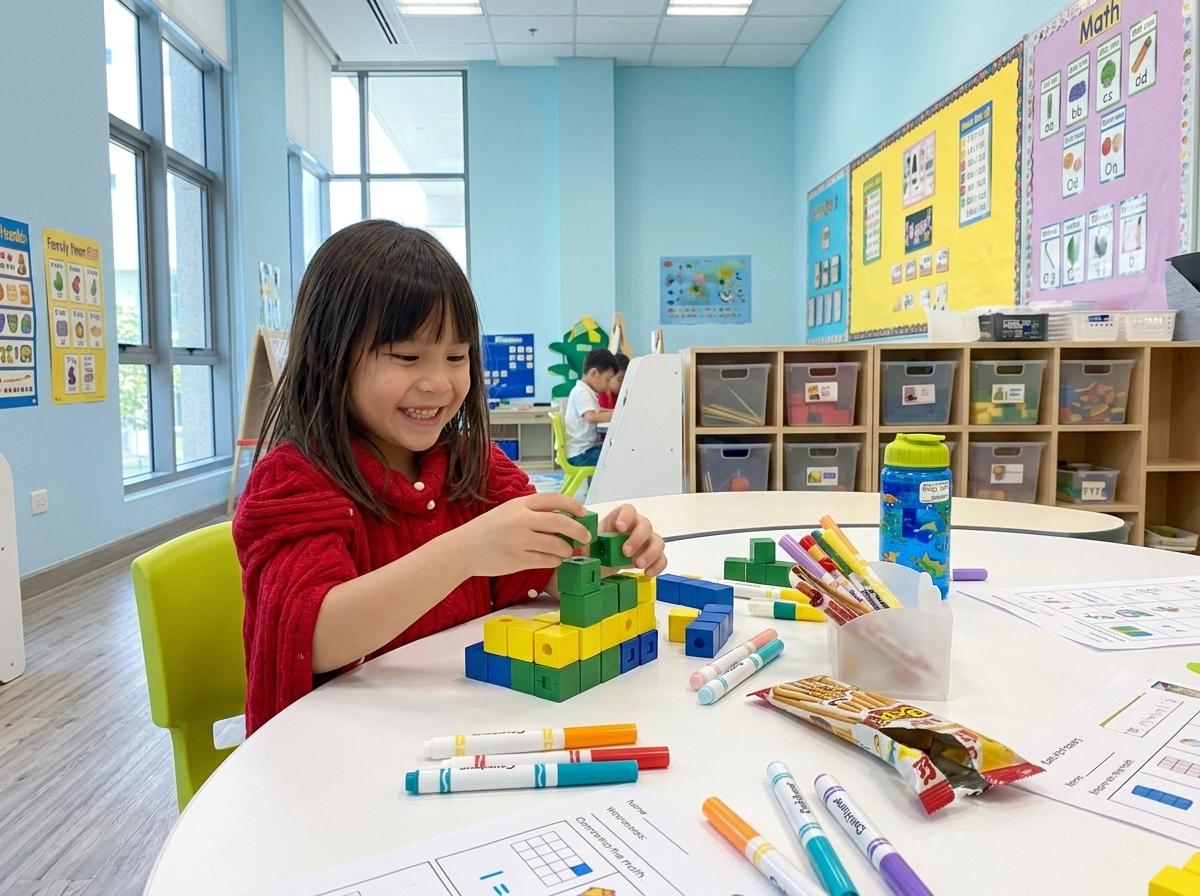
Hands-on activities transform abstract math into tangible learning. When kids touch and manipulate objects, concepts become clearer.
Baking offers a fun way to explore fractions. Measuring ingredients requires understanding halves, thirds, and quarters. It's math in action!
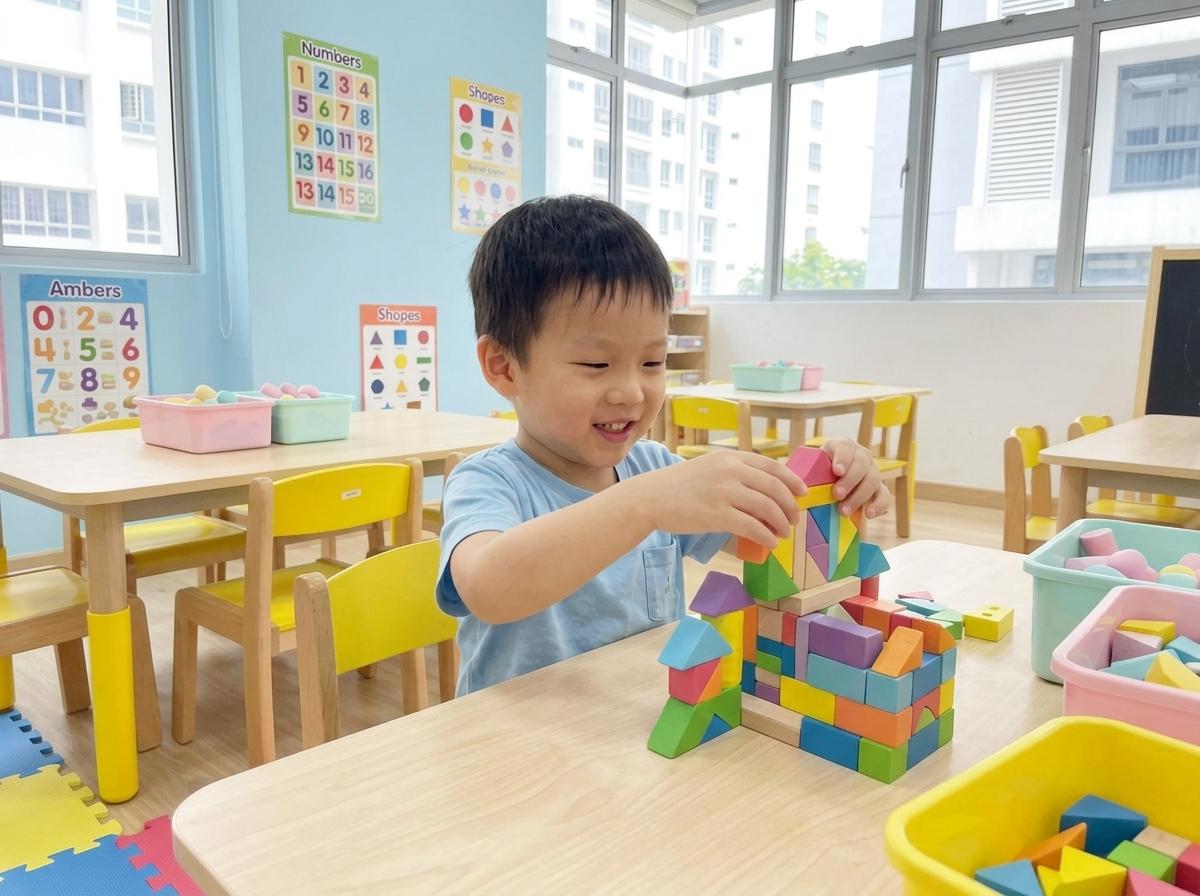
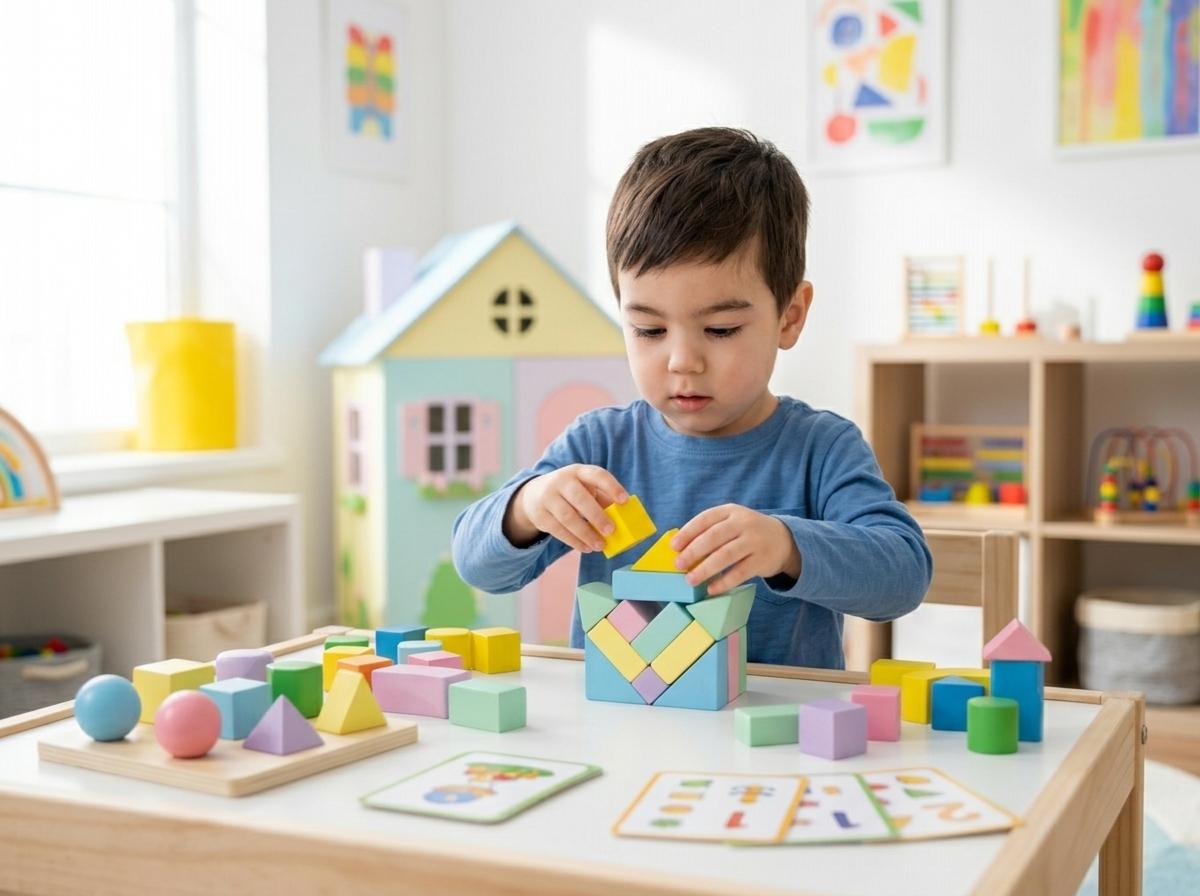
Building with blocks can illustrate geometric principles. As they construct, kids see shapes fit together, enhancing spatial awareness.
Using Math Manipulatives
Math manipulatives are terrific tools. They make numbers come alive, bridging the gap between concrete and abstract thinking.
Tools like base ten blocks help visualize place value. Seeing tens and ones laid out helps kids grasp the concept easily.
Sorting objects by color or size introduces classification and sets. These foundational concepts are crucial for later math success.
Visual Models in Math
Visual models make math problems accessible. Diagrams, charts, and graphs provide clarity, turning confusion into comprehension.
A pie chart can illustrate parts of a whole, making percentages relatable. Kids see how 25% of a pie isn't just numbers but part of something tangible.
Number lines help visualize addition and subtraction. Kids can jump forward or backward, seeing the math unfold step by step.
Building Critical Thinking and Problem Solving
Encouraging Math Discourse for Children
Talking about math enhances understanding. When kids articulate their reasoning, they deepen their grasp of concepts.
Create a math talk environment at home. Pose questions like, "How did you solve that?" or "Can you show me another way?"
Listening to peers' solutions in group settings introduces new perspectives. This exchange fosters a collaborative learning atmosphere.
Strategies for Word Problem Success
Word problems are often tricky. They require translating words into math. With the right strategies, they become less daunting.
Teach kids to identify key information and disregard unnecessary details. This skill simplifies problem-solving.
Encourage drawing or mapping out problems. Visual representations clarify relationships between numbers and operations.
Pattern Recognition in Early Math
Recognizing patterns is foundational. It builds the groundwork for algebraic thinking and problem-solving.
Use everyday examples: the pattern of traffic lights or the cycles of seasons. These real-world patterns make abstract concepts relatable.
Engage in activities like skip counting or clapping patterns to strengthen this skill. Such exercises make learning fun and effective.
🎉
Equipping your child with these strategies not only enhances their math skills but also instills a love for learning. By nurturing a growth mindset, you're setting them on a path to lifelong success.
Comments