
From Counting to Confidence: How a Growth Mindset in Math Builds Lifelong Success

Math anxiety holds back many children, turning simple numbers into walls instead of stepping stones. You want your child to build math confidence for kids that lasts a lifetime, not just memorize facts. A growth mindset in math reshapes how kids see challenges—making problem-solving a thrilling adventure instead of a chore. Let’s explore how hands-on math learning and creative math programs spark curiosity, critical thinking, and real understanding in children from ages 2.5 to 14. Learn more about cultivating a growth mindset in math.
Building Math Confidence for Kids
Building confidence in math starts with reshaping how children see mathematical challenges. The journey involves cultivating a mindset that encourages exploration and understanding rather than rote memorization. By focusing on developing a growth mindset, kids learn to see math as an exciting adventure filled with opportunities to solve problems creatively.
Growth Mindset in Math
Imagine a world where math isn't daunting but delightful. That's what a growth mindset in math aims to achieve. When children believe that they can improve their math skills with effort and practice, they become more resilient learners.
Encouragement is Key: Praise efforts, not just results. When a child tackles a math problem, commend their perseverance and creativity, even if the answer isn't correct right away.
Learning from Mistakes: Teach that mistakes are part of learning. They provide valuable insights and help refine skills, making future problem-solving a smoother process.
Overcoming Math Anxiety
Math anxiety can turn numbers into a source of stress. To overcome this, it's crucial to change the narrative around math learning.
Safe Learning Environment: Create a space where your child feels safe to express confusion and ask questions. This reduces fear and opens the door to curiosity.
Positive Reinforcement: Celebrate small victories and progress in math. This builds confidence and encourages a positive attitude towards future challenges.
Critical Thinking for Children
Critical thinking is a vital skill that math naturally develops. It empowers children to analyze, evaluate, and create solutions effectively.
Encourage Questions: Inspire your child to ask "why" and "how" when approaching math problems. This deepens understanding and fosters a love for discovery.
Real-World Applications: Show how math applies to everyday life. Whether cooking or planning a trip, use real scenarios to make math relatable and engaging.
Hands-On Math Learning Techniques
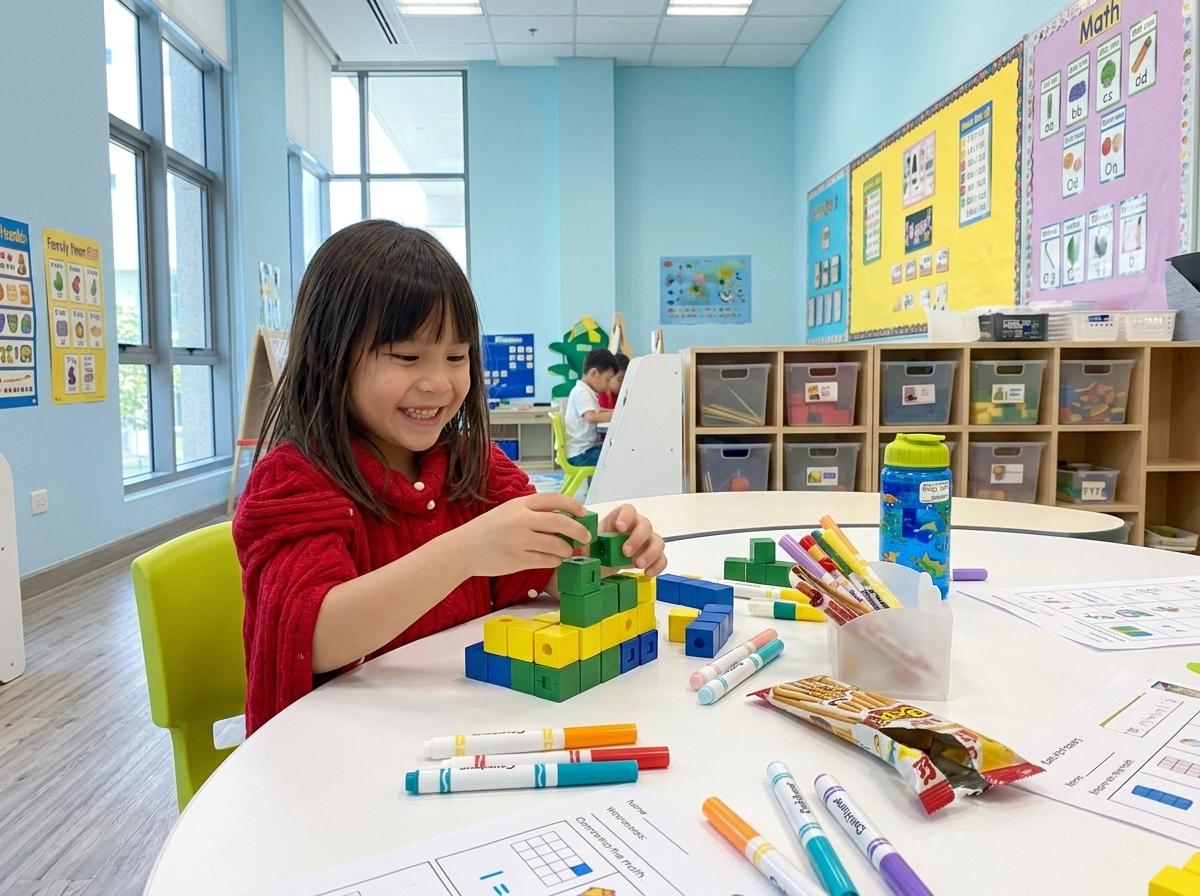
Hands-on learning transforms abstract math concepts into tangible experiences. This approach not only makes learning fun but also solidifies understanding by involving multiple senses.
Socratic Questioning in Math
Socratic questioning encourages deep thinking and exploration of ideas. It's a method that involves asking guiding questions to lead students to their conclusions.
Engage in Dialogue: Pose open-ended questions like, "What do you think happens if...?" This stimulates curiosity and critical thinking.
Encourage Exploration: Allow kids to explore different paths to solve a problem. This nurtures creativity and confidence in their abilities.
Experiential Math Education
Experiential learning involves learning through doing. It's about diving into activities that challenge students to think actively.
Math Games and Activities: Introduce games that require strategic thinking and problem-solving, making math a playful challenge.
Project-Based Learning: Engage in projects that require planning and calculation, like building a simple structure with specific measurements.
Creative Math Program Benefits
Creative math programs integrate music, art, and movement to teach mathematical concepts. This approach caters to various learning styles and makes math learning more inclusive.
Math Music Motion: Use rhythm and songs to teach counting and patterns. This method enhances memory and understanding.
Artistic Expression in Math: Encourage drawing to visualize problems and solutions, blending creativity with logic.
Math Enrichment for Ages 2.5–14
Math enrichment offers tailored experiences that cater to different age groups, ensuring that each child's learning journey is both challenging and rewarding.
Early Childhood Math Program
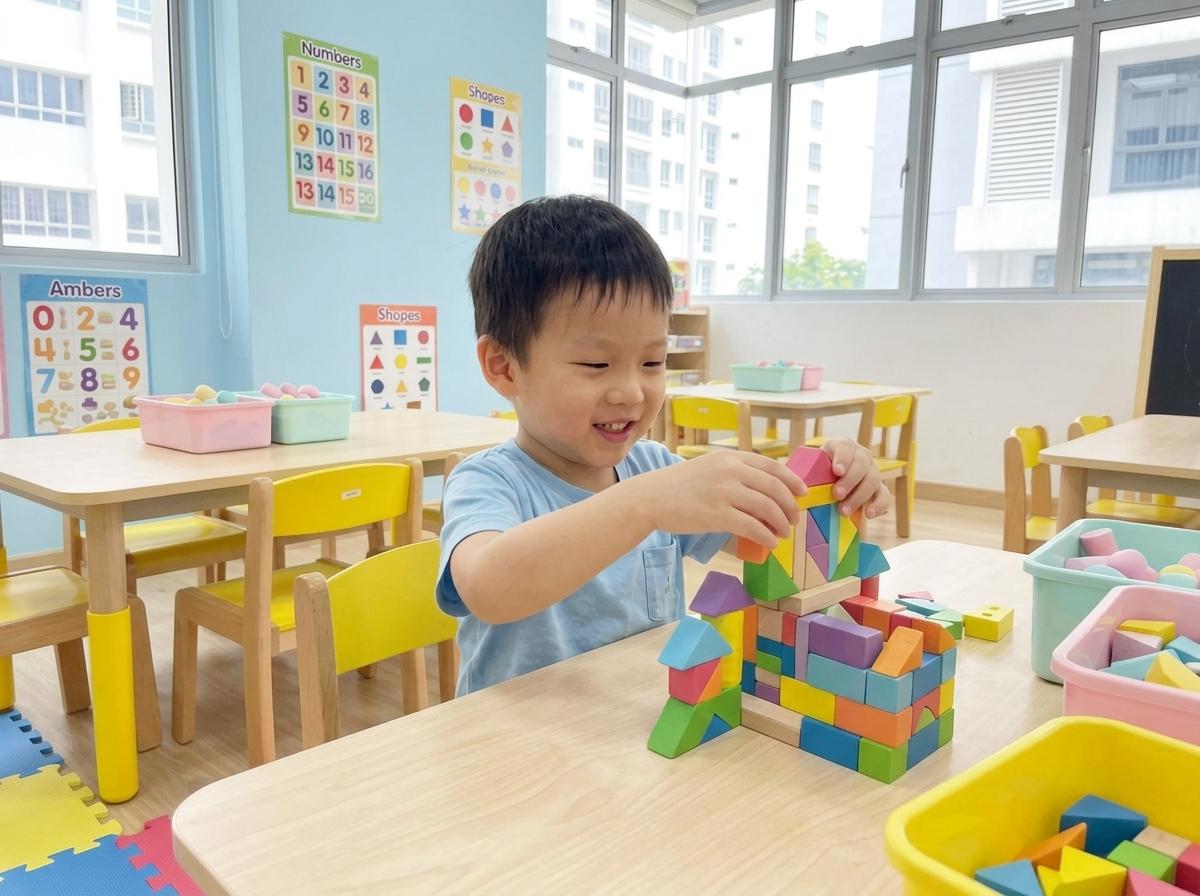
In early childhood, math can be introduced through playful activities that build foundational skills.
Interactive Play: Use toys and games that involve counting and sorting to introduce basic concepts.
Storytelling with Numbers: Incorporate numbers into stories, making abstract ideas more concrete and memorable.
Elementary Math Enrichment
For elementary-aged children, math enrichment focuses on expanding understanding and application.
Real-Life Problem Solving: Engage in everyday math challenges like planning a budget for a small event.
Peer Collaboration: Encourage group projects where kids can share different approaches and solutions.
Middle School Math Mindset
Middle school is a time to deepen understanding and foster independence in math learning.
Advanced Challenges: Introduce more complex problems that require logical reasoning and strategic thinking.
Encourage Leadership: Let students take the lead in group math activities, building confidence and communication skills.
By embedding these strategies, you provide a nurturing environment where math becomes a source of confidence and curiosity. Each step taken in this journey builds a stronger, more resilient learner, ready to tackle any challenge that comes their way. 🎉
Comments