
Why Growth Mindset Matters in Early Math Learning

Most math programs focus on getting answers right, but that often leaves kids feeling stuck and anxious. When children develop a growth mindset for kids early on, math becomes an adventure in discovery, not just a test of memory. You’ll see how hands-on math activities build confidence, deepen understanding, and prepare young learners to solve problems in ways traditional education often misses.
Building Confidence Through Growth Mindset
Creating a strong foundation in math can change how children see the subject. When kids develop a growth mindset, they learn to embrace challenges and persist through difficulties, building confidence along the way. This mindset helps dismantle the fear of failure and transforms learning into an exciting journey.
Encouraging Positive Math Experiences
Positive experiences in math create a lasting impact. Imagine a child who feels joy when solving a puzzle. That joy can be matched with math. It starts with engaging activities that present math as a fun challenge rather than a chore. Instead of focusing solely on right answers, encourage exploration. When children explore math concepts through play, they see math as a fun part of everyday life. They gain confidence as they discover new ways to solve problems.
Reducing Math Anxiety Early On
Math anxiety is a common issue that can hinder learning. It starts early, but with the right approach, it can be reduced. Creating a safe learning environment where mistakes are seen as learning opportunities is key. When children understand that making mistakes is part of learning, they become less anxious. By using tools like math games and puzzles, you can create a space where children feel comfortable exploring math without fear.
Developing Critical Thinking for Children
Critical thinking is an essential skill that math helps to develop. Children who learn to analyze and solve problems are better equipped for future challenges. Through math, they can learn to think critically about various situations. Encouraging them to ask questions and think about different ways to approach a problem helps them develop these skills. With practice, they begin to see math as a tool for solving real-world issues.
Creative Approaches to Early Math Learning
Moving beyond traditional methods opens a world of creativity in math learning. By incorporating different approaches, math becomes more than just numbers on a page. It becomes a subject where imagination and logic meet.
Hands-on Math Activities for Young Learners
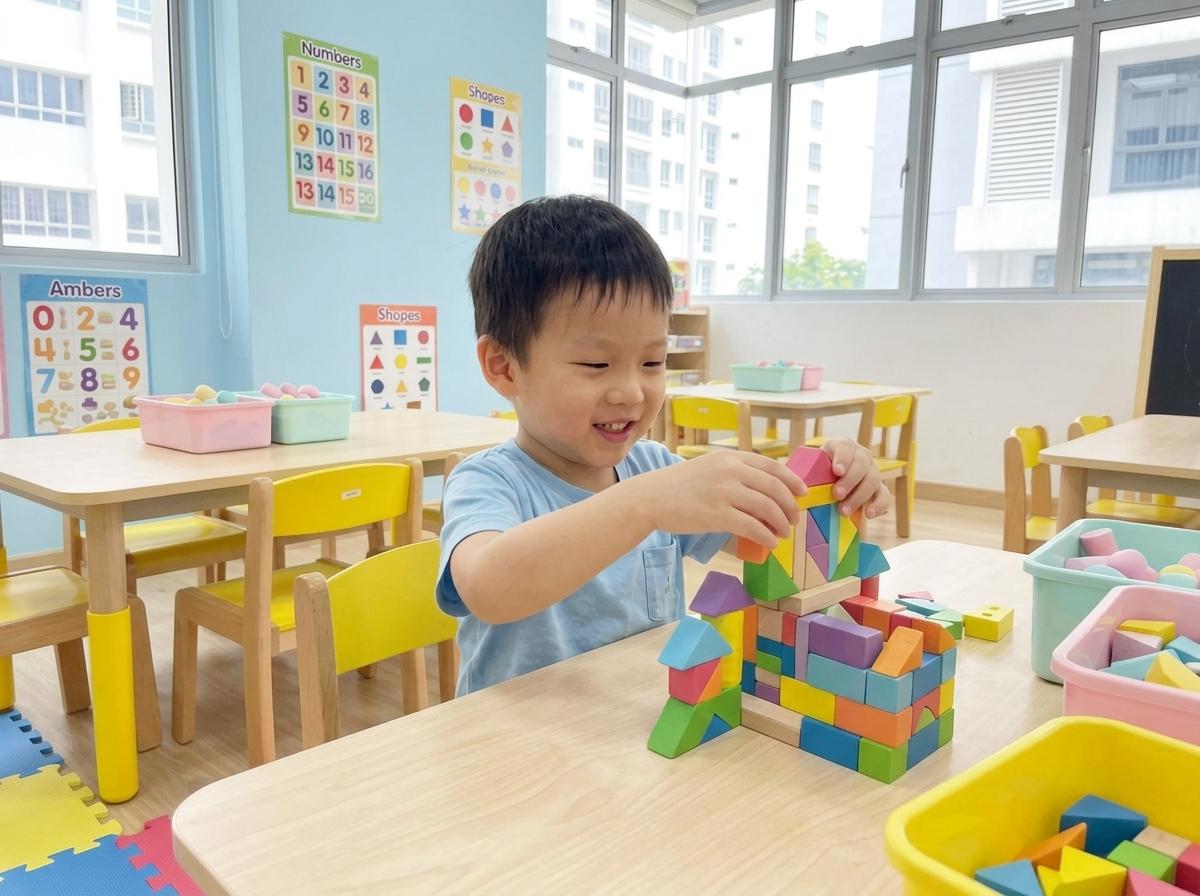
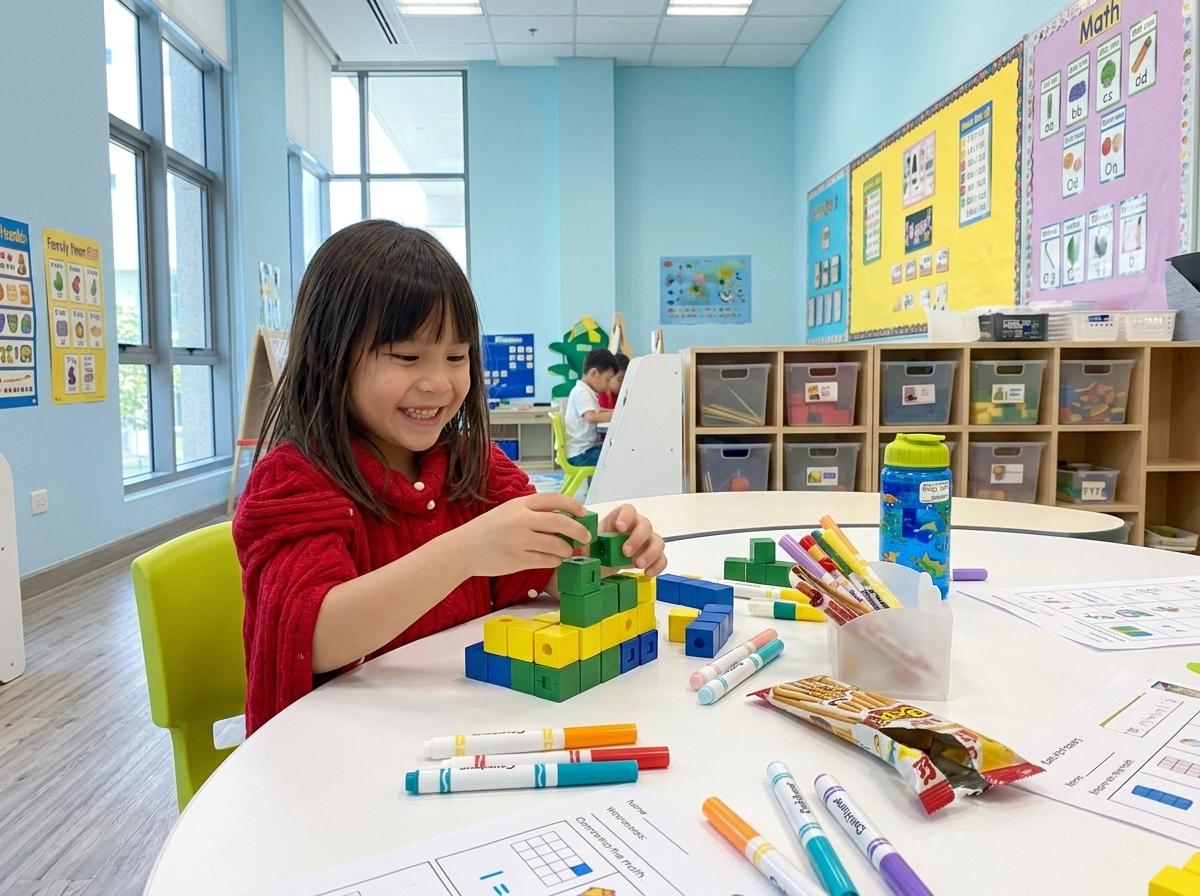
When children engage in hands-on activities, they learn by doing. This approach helps them understand concepts better. Using everyday items like blocks or beads, children can visualize math problems. They can build structures or count groups, gaining a deeper understanding of numbers. This tactile learning makes math tangible and relatable. It turns abstract concepts into something they can touch and see.
Math and Literacy Integration Strategies
Combining math with literacy strengthens both skills. Stories with math themes allow children to see numbers in context. Reading about characters who solve problems introduces them to math vocabulary in a fun way. Writing about their math experiences also reinforces learning. It encourages them to process what they've learned and express it creatively. This integration creates a more comprehensive learning experience.
Inquiry-Based Learning in Action
Inquiry-based learning lets children take the lead in their education. By asking questions and exploring answers, they become active participants in their learning journey. This method fosters curiosity and encourages them to dig deeper into math concepts. It transforms the classroom into a place of discovery, where students feel empowered to explore and make connections.
Personalized Learning Paths for Success
Understanding that every child learns differently is crucial. Personalized learning paths cater to individual needs, ensuring each child can thrive in their unique way.
The Role of Math Manipulatives
Math manipulatives are powerful tools in personalized learning. They provide a hands-on way for children to explore math concepts. By using objects like counters or geometric shapes, children can see and touch what they're learning. This approach helps them grasp abstract ideas and apply them in real situations, making math more accessible.
Visual Models in Math Understanding
Visual models are essential in helping children understand complex math ideas. Diagrams, charts, and drawings break down information into manageable parts. They offer a clear picture of relationships between numbers and concepts. This visual representation makes it easier for children to comprehend and retain what they're learning.
Tailored Assessments and Skill Development
Tailored assessments focus on each child's strengths and areas for improvement. By understanding where a child excels and where they need more support, you can create a learning plan that caters to their needs. Assessments should guide instruction and skill development, ensuring children receive the support they need to succeed.
🎉
By fostering a growth mindset and embracing creative learning methods, you can transform math education into an exciting adventure for young learners. This approach not only builds confidence and reduces anxiety but also develops critical thinking skills that are vital for their future.
Comments