
What Is a Growth Mindset in Math and Why It Matters for Young Learners

Most math lessons still focus on memorizing facts, leaving many kids stuck when real problems show up. This gap dims their confidence and makes math feel like a chore, not a challenge. A growth mindset in math changes that story by helping children see mistakes as steps forward and puzzles as opportunities. Keep reading to learn how this mindset boosts problem-solving and confidence for kids ages 2.5 to 14—and how you can support it at home and in the classroom. For more insights, check out this resource on 5 Ways to Help Students Develop a Growth Mindset in Math Class.
Understanding Growth Mindset in Math
Running into a math problem can feel like hitting a wall. But with a different way of thinking, kids see it as a chance to grow. Let’s explore what this involves.
Defining Growth Mindset for Kids
A growth mindset is about believing you can get better through effort. Imagine a child who sees a tough puzzle not as a defeat but as a challenge. They know that with time and practice, they can improve. The idea is simple: skills can grow with dedication and learning. This mindset helps kids of all ages to tackle math problems with grit and curiosity.
Fixed vs. Growth Mindset in Math
Kids with a fixed mindset think abilities are set in stone: if you're not "good" at math, there's no point in trying. On the flip side, a growth mindset encourages kids to view abilities as things they can develop. This change in perspective makes math a space for exploration. When students believe they can improve, they’re more likely to persevere through challenges, fostering a love for learning.
Benefits of Growth Mindset in Math
Unlocking a growth mindset opens doors to many benefits. First, it boosts confidence. Kids learn to approach problems with optimism. They're more willing to take risks, knowing that mistakes are part of the process. This mindset also supports resilience. Children become persistent learners who view challenges as opportunities. This not only applies to math but spills over into all areas of life.
Boosting Confidence and Problem-Solving
When children are confident, they are more willing to tackle complex problems. This leads to better problem-solving skills and a deeper understanding of math.
Building Math Confidence in Children
Confidence in math comes from trying new things and learning from them. When children see that their effort leads to improvement, they are more inclined to take on new challenges. Encouraging small successes is key. Celebrate their progress, no matter how small. This builds a foundation of confidence, making math a source of pride rather than stress.
Critical Thinking for Kids
Critical thinking is about asking questions and exploring different solutions. It's not just about getting the right answer but understanding why it works. Kids who think critically learn to analyze problems and come up with creative solutions. This skill is vital, not just in math but in everyday decision-making.
Overcoming Rote Memorization Challenges
Rote memorization limits a child's ability to think critically. It focuses on remembering facts instead of understanding them. Moving beyond rote learning involves engaging kids with activities that make them think. Instead of drilling, encourage exploration and curiosity. This approach enables kids to see math as a dynamic subject where they can discover and apply new concepts.
Practical Tips for Home and Classroom
Parents and teachers play a crucial role in nurturing a growth mindset. Here are some practical ways to support this mindset both at home and in the classroom.
Growth Mindset Activities for Children
Introduce activities that challenge kids to think. Games that require strategy and puzzles that push their limits are great ways to develop a growth mindset. Encourage kids to reflect on their mistakes and think about what they learned. This reflection helps them see mistakes as part of the learning journey.
Hands-On Math Learning Approaches
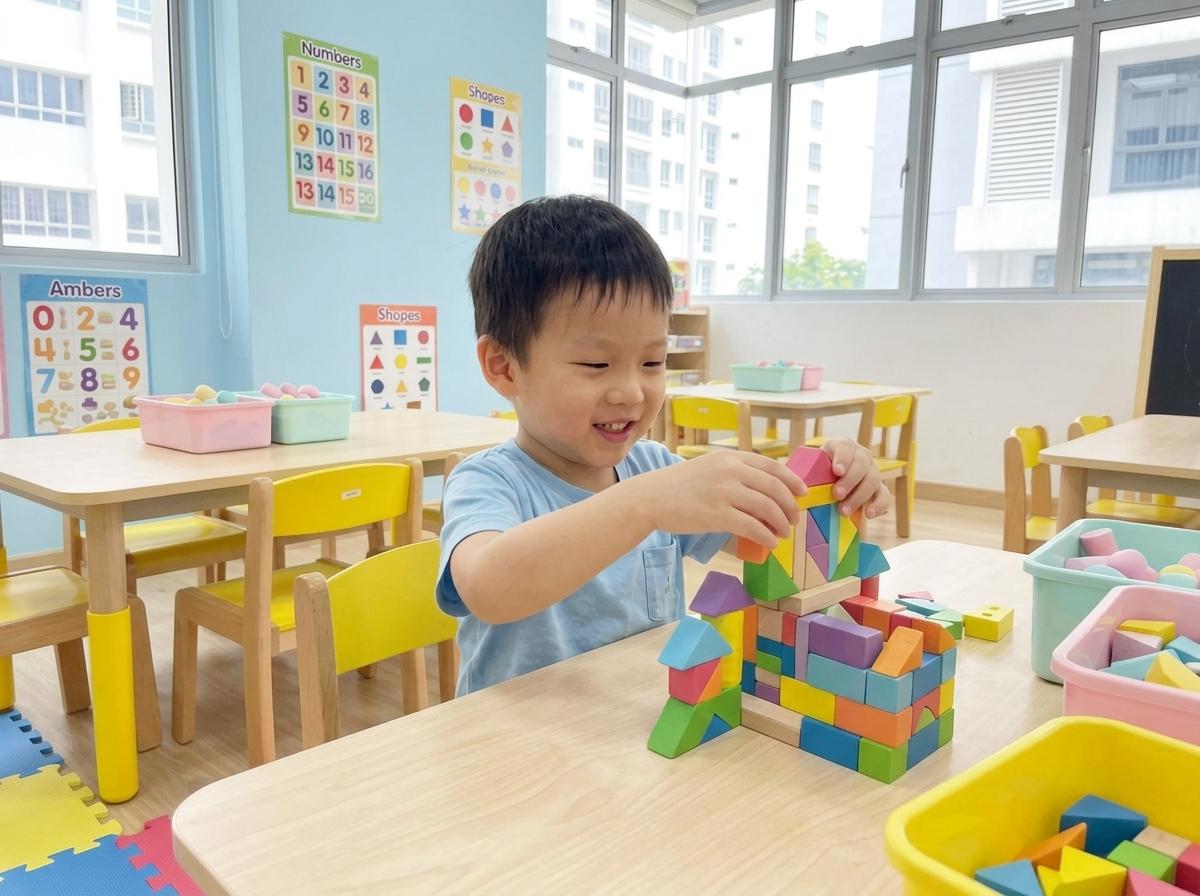
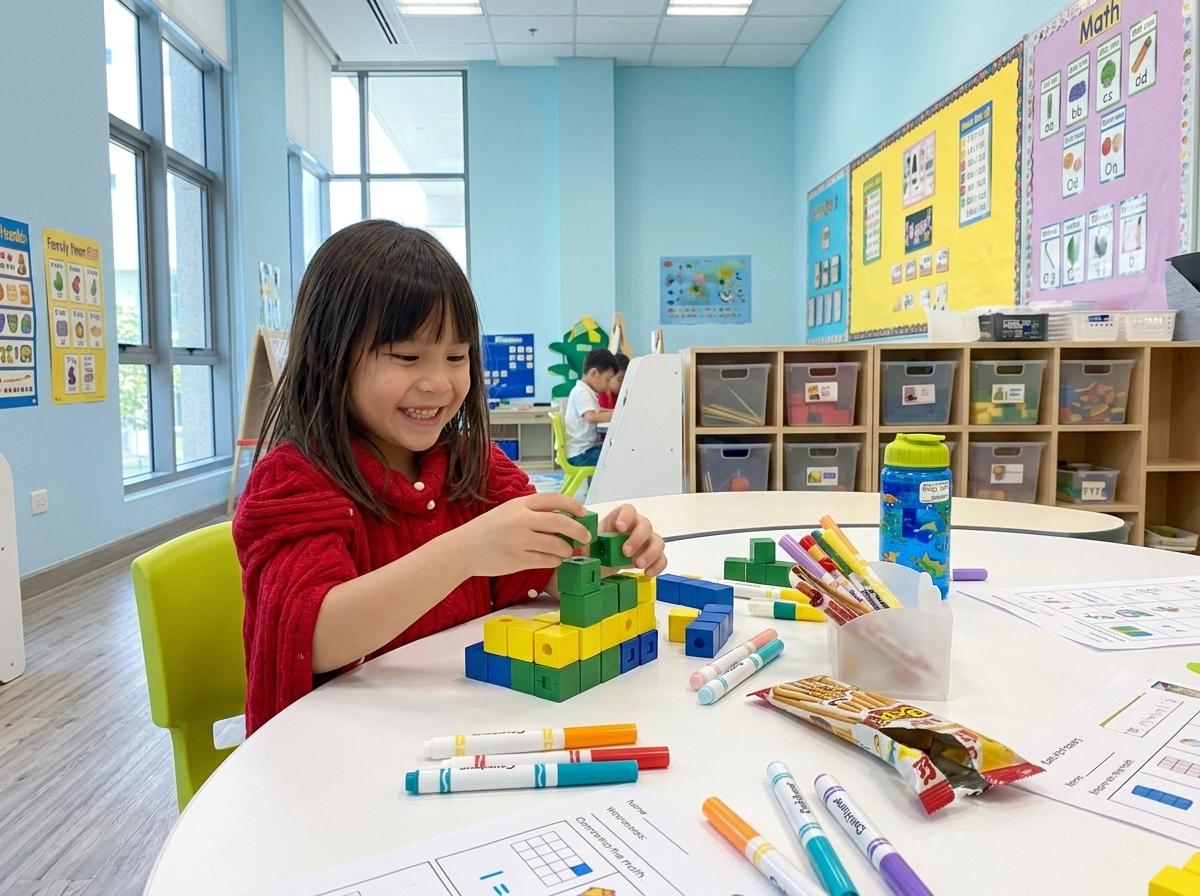
Hands-on learning makes math tangible. Use everyday items like blocks or measuring cups to teach math concepts. This method helps kids understand abstract ideas by relating them to real-world objects. When math is interactive, it becomes more engaging and less intimidating.
Parent Tips for Growth Mindset
Parents can foster a growth mindset by modeling it themselves. Talk about your challenges and how you overcame them. Praise effort, not just results. This shows kids that hard work and perseverance are valued. Encourage them to set goals and celebrate their progress. Your support helps them build resilience and confidence in their abilities.
By adopting a growth mindset, children learn to see math not just as numbers and equations but as a fascinating world to explore. These skills and attitudes will serve them well beyond the classroom, helping them face future challenges with confidence and curiosity.
Comments