
How to Tell If Your Child Needs Conceptual Math Support (Not Just More Practice)

You’ve probably noticed your child struggling with math despite hours of extra practice. More worksheets won’t fix gaps in understanding that hold them back. Recognizing when your child needs conceptual math support can change their entire approach to learning numbers. Let’s explore how to spot those signs and why a fresh, concept-first method matters.
Recognizing Conceptual Gaps in Math
It's often hard to spot when practice isn't enough. If your child struggles with math despite practice, they might need more. Understanding these signals can help you decide on a new approach.
Signs Your Child Needs More Than Practice
Does your child freeze at word problems? They might focus on solving steps without understanding the math behind them. If they can't explain why they do certain problems, that's a sign. You might notice they get frustrated during math homework. These could indicate gaps in understanding.
Children who understand math concepts can apply them in different scenarios. When they rely solely on memorization, it might mean they need help with the basics. This can lead to math anxiety and a dislike for the subject. If your child seems to lack confidence in math, it might be time to explore other methods.
Understanding Conceptual Math vs Traditional Practice
Conceptual math focuses on understanding the "why" behind the numbers. Traditional practice often pushes memorization of formulas. While knowing formulas is useful, understanding how they work makes math easier. With conceptual math, children see math as part of the real world. They learn how to tackle problems creatively.
Think of it this way: traditional practice is like knowing dance steps. Conceptual understanding is like feeling the music as you dance. If your child grasps math concepts, they can adapt to new problems with ease.
Why Worksheets Aren't Always the Answer
Worksheets focus on repetition, which might not address your child's needs. If they're not grasping the concepts, more practice won't help. Instead, they need activities that engage their minds differently. Math should be seen as a puzzle, not a chore.
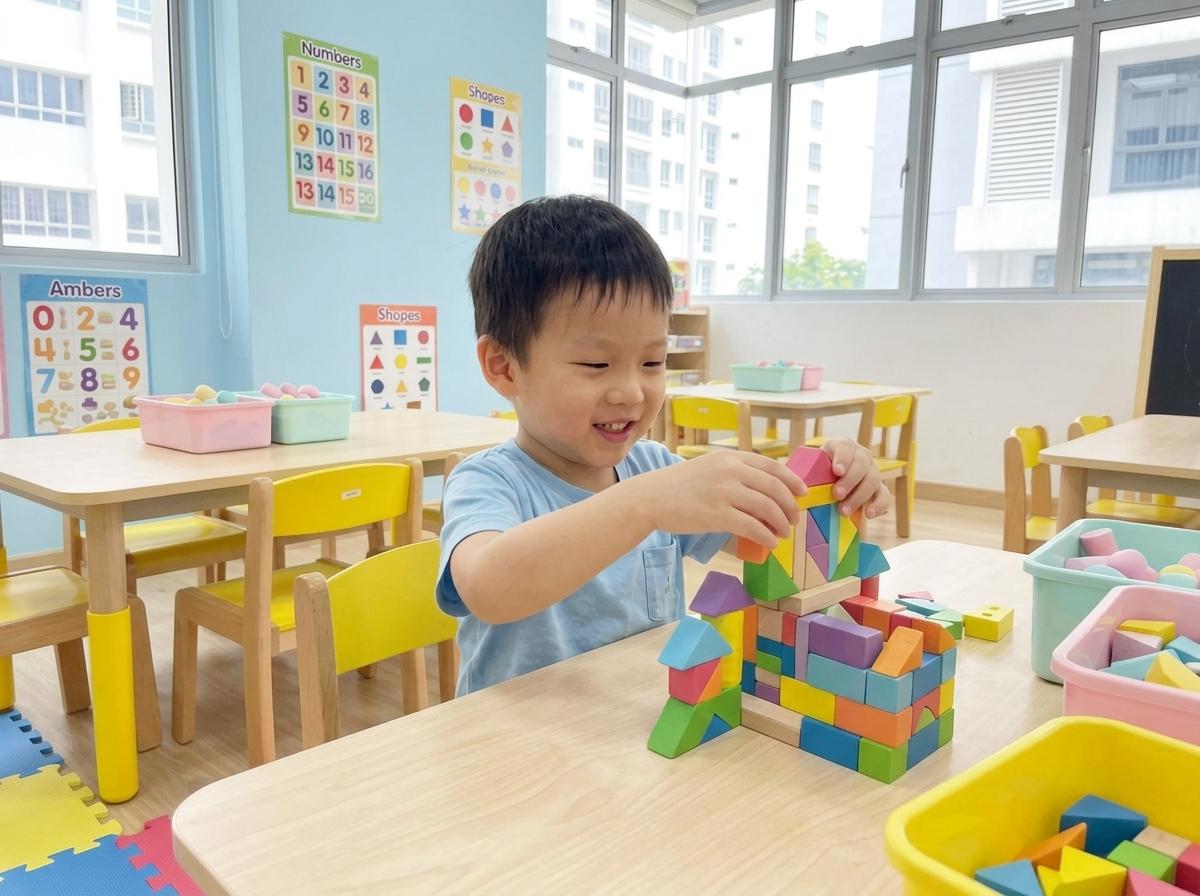
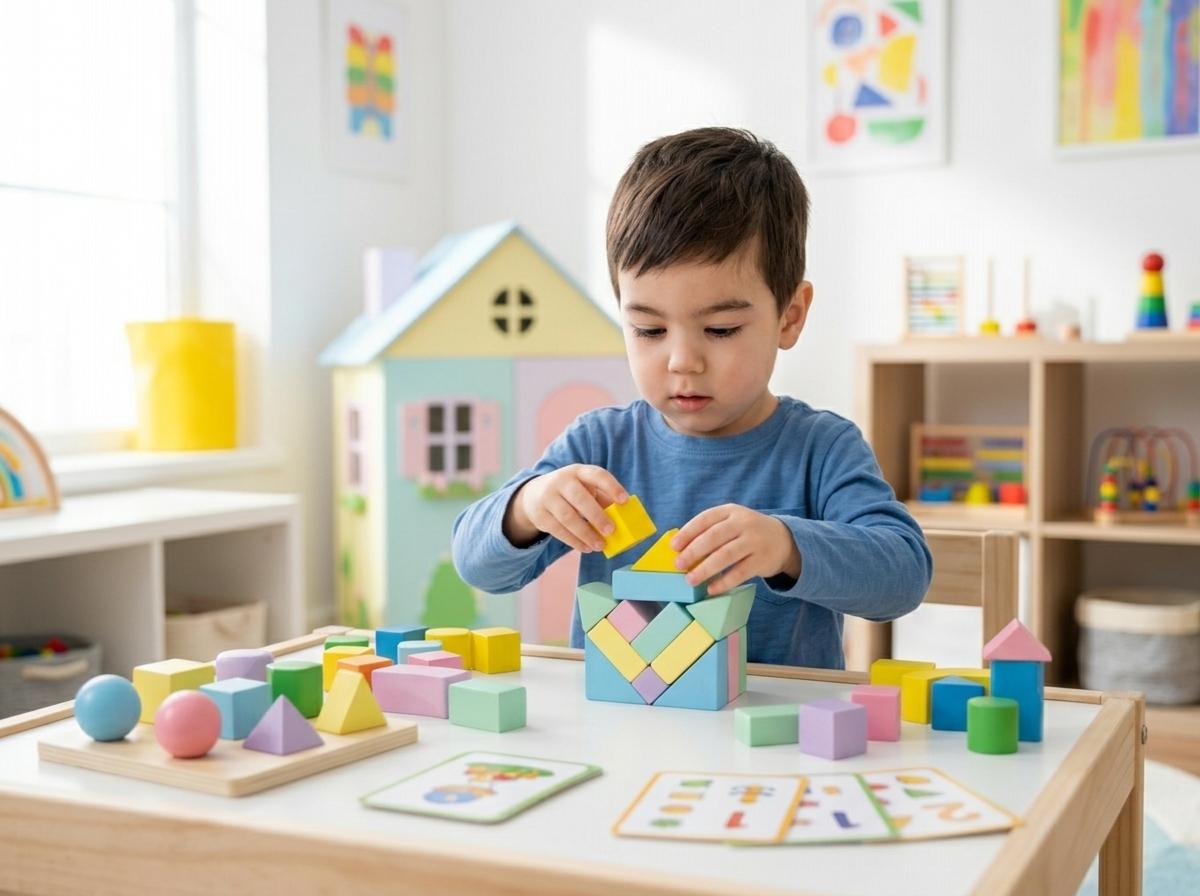
If worksheets aren't working, consider alternative learning methods. Tools like manipulatives and visual aids can make a big difference. They help children understand math by seeing and doing. This approach can create a more positive experience with math learning.
Strategies to Support Conceptual Understanding
Now that you know what to look for, let's discuss ways to address these gaps. Supporting your child's understanding starts with small changes at home.
Simple Checklist for Parents and Educators
Here’s a quick checklist to help you support your child:
Observe Problem-Solving: Watch your child solve math problems. Can they explain their reasoning?
Encourage Questions: If they ask "why," that's a good sign. It shows they're trying to understand.
Use Everyday Math: Incorporate math in daily activities. Cooking and shopping involve measurements and calculations.
Discuss Mistakes: Talk about mistakes as opportunities to learn. This builds resilience and understanding.
By following this checklist, you'll foster a supportive environment for math learning.
At-Home Activities Blending Math and Literacy
Mixing math with reading can strengthen understanding. Here’s how you can start:
Read books with math themes. This helps children see math in a different light. Stories with numbers and problem-solving can spark interest. Try asking questions about the story’s math problems.
Create math stories with your child. Turn daily activities into math challenges. This could be as simple as counting toys or measuring ingredients together. These activities build a connection between math and literacy.
Engaging Tools: Cuisenaire Rods and Bar Models
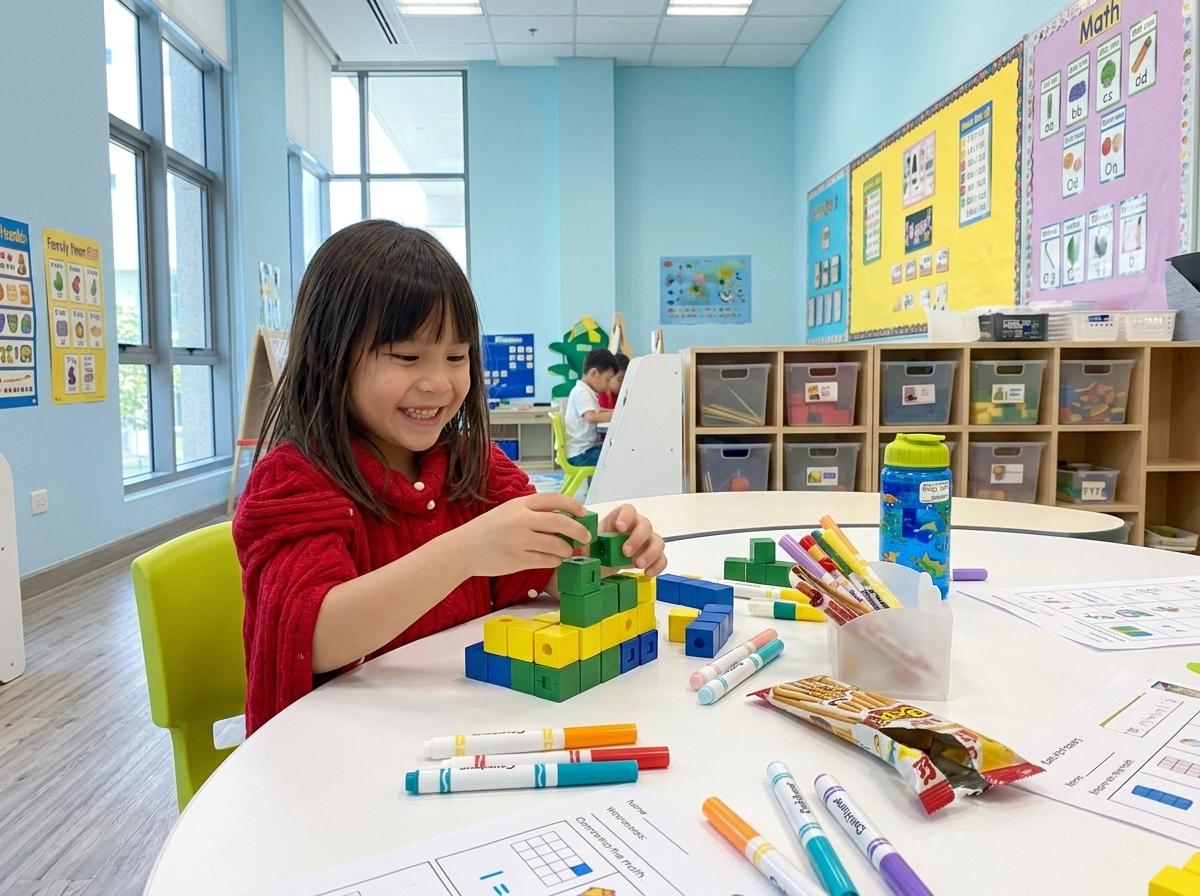
Some tools make learning math exciting. Cuisenaire rods and bar models are great examples. They help children visualize math problems. This hands-on approach is engaging and effective.
Cuisenaire rods represent numbers with colored blocks. They show how numbers relate to each other. Bar models help break down word problems into visual parts. These tools make complex concepts easier to grasp.
Children enjoy learning with these tools because they encourage exploration. They bring math to life, making it both fun and educational.
Next Steps for Personalized Math Support
Ready to take the next step? Personalized support can make a huge difference in your child's math journey.
Booking a Conceptual Math Checkup
Sometimes, a professional assessment is needed. This can pinpoint exactly where your child needs help. A math checkup looks at their understanding of concepts. It's like a health check for their math skills.
You can learn more about when a tutor is needed to see if your child would benefit from additional support.
Creating a Personalized Learning Path
Once you know your child's needs, a learning path can be created. This plan should focus on their strengths and weaknesses. The goal is to build a strong foundation in math concepts.
A personalized approach ensures your child stays engaged. It addresses their specific learning style, keeping them motivated.
Benefits of Growth Mindset Math Enrichment
Adopting a growth mindset changes how children see challenges. It teaches them that effort leads to improvement. In math, this mindset helps them tackle difficult problems with confidence.
Growth mindset programs focus on critical thinking and creativity. They show children that mistakes are part of learning. This approach builds resilience and a love for learning.
🌟✏️📚
By identifying gaps and supporting conceptual understanding, you can transform how your child experiences math. Encourage them to explore, ask questions, and enjoy the journey of learning.
Comments