
Why Hands-On Learning Builds True Understanding in Math and Literacy

Traditional classrooms often leave kids stuck memorizing without truly understanding math and reading. When children get to touch, move, and explore concepts through hands-on learning, their confidence in math and reading grows naturally. This approach helps close hidden learning gaps and sparks curiosity that fuels a lifelong growth mindset. Let’s explore why tactile, creative learning makes all the difference—and how Growing IQ’s programs bring this to life for your child. Learn more about the benefits of hands-on learning for children.
The Power of Hands-On Learning
Hands-on learning is more than just fun; it's a powerful way to build lasting understanding in young minds. By engaging different senses, children develop a deeper connection to the material they are learning.
Building True Understanding
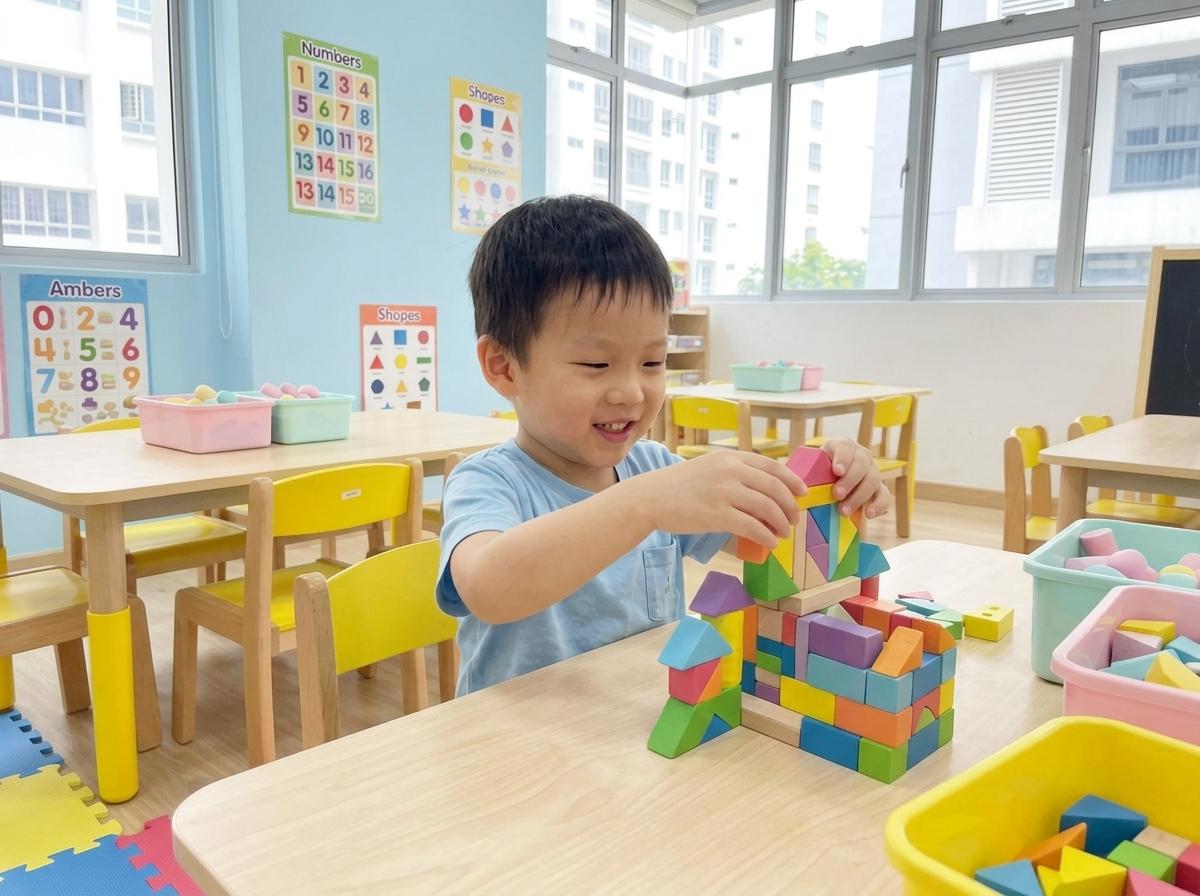
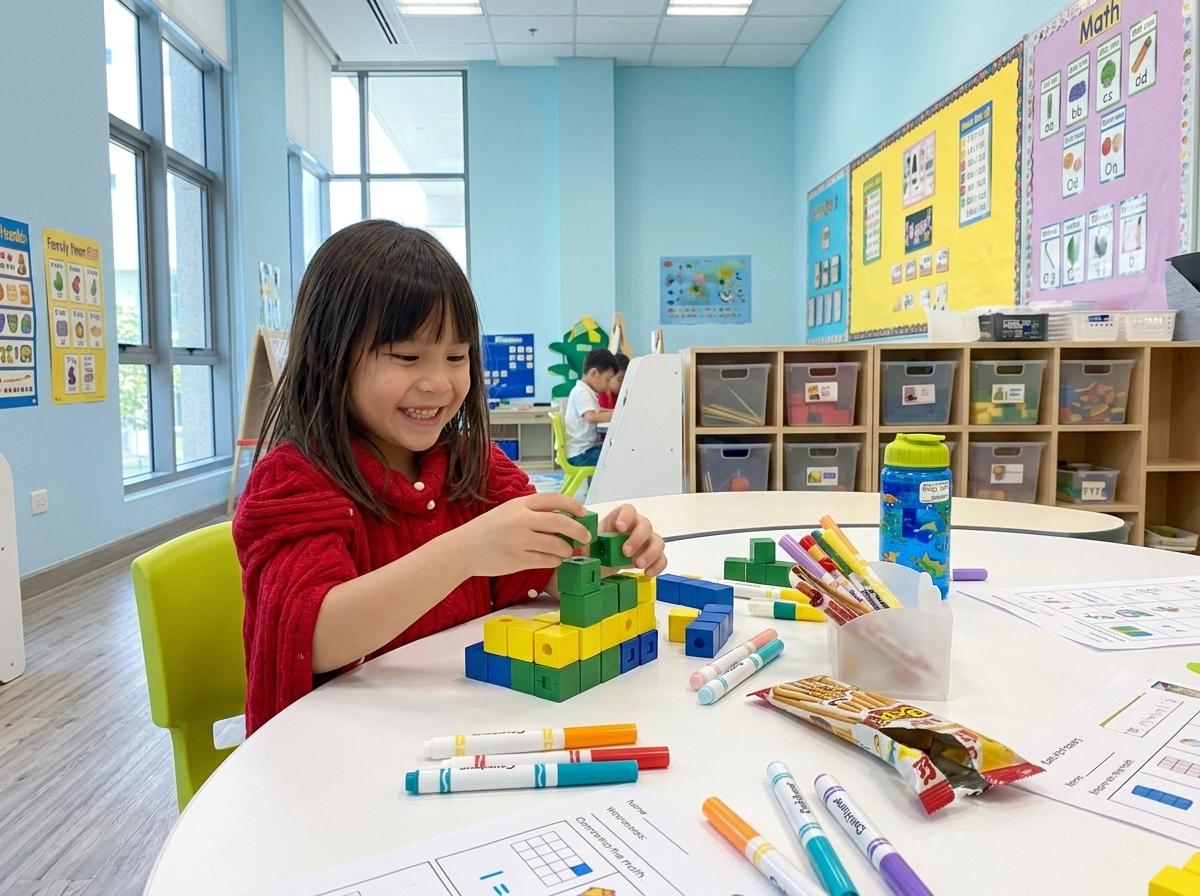
When kids use their hands, they engage with concepts in a meaningful way. This direct interaction allows them to grasp complex ideas. For example, using math manipulatives or participating in kinesthetic learning activities helps them see and feel how numbers work. This approach contrasts with rote memorization, where information often doesn't stick. As children manipulate objects, they develop number sense and other foundational skills that are crucial for future success.
Inspiring Growth Mindset
A growth mindset thrives on challenges and learning from mistakes. Hands-on learning naturally encourages this mindset. When children try new things and see immediate results, they become more open to experimenting without fear of failure. This encourages resilience and perseverance. With each small victory, their confidence grows, leading to greater engagement and curiosity about the world around them. This mindset not only supports academic achievement but also personal growth.
Filling Classroom Gaps
Traditional classrooms may not address every child's needs. Hands-on activities can fill these gaps by providing different ways to explore the same concept. This approach helps bridge the divide for students who might struggle with conventional methods. For instance, students who might not grasp a concept through lectures alone can find clarity through tactile experiences. Moreover, these activities promote collaboration and communication, as students often work in groups to solve problems.
Math and Literacy Integration
Integrating math and literacy ensures a comprehensive learning approach that supports overall development. This fusion helps children see the connections between disciplines, enhancing their understanding.
Experiential Math Adventures
Math becomes an adventure when children interact with it in creative ways. Experiential learning allows them to engage with math concepts through play and exploration. Programs like Math Music Motion introduce young learners to math through music and movement, providing a multisensory experience that makes abstract concepts tangible. These adventures cultivate a love for math by turning each lesson into a playful exploration.
Literacy Lab: Structured Literacy
Structured literacy programs focus on developing strong reading skills. By using methods like phonemic awareness and decoding skills, children build a solid foundation for reading comprehension. In a Literacy Lab, small group settings offer personalized attention, ensuring each child's unique needs are met. Activities like storytelling and games make learning to read an enjoyable process, further boosting children's confidence in their abilities.
Personalized Learning for Success
Personalized learning tailors education to each child's strengths and challenges. By assessing where students are, educators can design a path that supports their growth. This approach acknowledges that every child learns differently and provides the flexibility needed to adapt to diverse learning styles. Personalization not only addresses learning gaps but also accelerates progress, leading to greater success in both math and literacy.
Encouraging Critical Thinking
Critical thinking is a vital skill that empowers children to navigate complex problems. Developing this ability through creative math and literacy activities prepares them for future challenges.
Fostering Problem Solving for Kids
Problem-solving is an essential part of learning. By presenting children with challenges, they learn to think critically and creatively. Whether through math puzzles or interactive story problems, these activities teach kids to approach tasks methodically. This skill not only benefits them academically but also in everyday situations.
Creative Math and Critical Thinking
Creative math activities encourage children to think outside the box. By integrating arts and movement, math becomes an exciting subject that goes beyond numbers. These activities foster critical thinking by asking students to explore multiple solutions and perspectives. As children engage in these creative processes, they build confidence in their ability to tackle complex problems.
Nurturing Confidence in Math and Reading
Confidence is key to academic success. By nurturing a supportive learning environment, children feel safe to express themselves and take risks. Whether in math or reading, this encouragement leads to a sense of accomplishment and pride. Over time, children develop a positive attitude towards learning, seeing challenges as opportunities rather than obstacles.
Frequently Asked Questions
What is hands-on learning?
Hands-on learning involves engaging with materials and activities physically to understand concepts better. It allows children to explore and discover through direct experience, making learning more meaningful and memorable.
How does hands-on learning benefit math and literacy?
Hands-on learning enhances understanding by allowing children to interact with concepts actively. In math, it helps develop number sense, while in literacy, it builds phonemic awareness and decoding skills, leading to improved reading comprehension.
Why is a growth mindset important in education?
A growth mindset encourages children to embrace challenges and learn from mistakes. This mindset fosters resilience and perseverance, leading to greater engagement and confidence in their learning journey.
How does personalized learning support children?
Personalized learning tailors education to each child's unique needs, ensuring that they receive the support necessary to succeed. It addresses learning gaps and accelerates progress, leading to greater achievements in math and literacy.
What makes experiential learning effective?
Experiential learning is effective because it engages multiple senses, allowing children to connect with the material in a meaningful way. This approach makes abstract concepts tangible and fosters a deeper understanding.
Comments