
The Power of Growth Mindset: Turning Math Anxiety into Academic Success

Math anxiety steals joy and confidence from so many kids. You’ve seen it: hesitation, frustration, and the fear that math just isn’t for them. But what if a growth mindset for kids could change that story? At Growing IQ, we focus on hands-on math learning that builds math confidence for children and turns fear into curiosity. Keep reading to see how creative math programs make all the difference. Learn more about cultivating a growth mindset in math.
Growth Mindset for Kids
Understanding Math Anxiety
Math anxiety is more common than you might think. Kids often feel overwhelmed by numbers and equations, which can make them afraid to even try. This fear can start early and grow over time if not addressed. A study from the National Center for Biotechnology Information highlights that when children feel anxious about math, their performance tends to drop.
The good news is, with the right support, kids can overcome this anxiety. It starts with understanding that making mistakes is a part of learning. Encouraging a curious mindset can help kids see math as an exciting puzzle rather than a daunting task. This shift in perspective sets the stage for overcoming fear.
Overcoming Fear of Math
Fear of math can be paralyzing, but it's possible to break through this barrier. The key is to create a safe environment where kids feel comfortable exploring without fear of failure. You can start by praising their effort rather than just the outcome. This helps them value the learning process over getting the right answer.
Games and playful activities can also help reduce anxiety. When math is fun, kids are more willing to engage. By transforming math into a game, children begin to associate positive feelings with it. This approach not only helps them enjoy math but also builds resilience, making them more willing to tackle challenging problems.
Building Math Confidence for Children
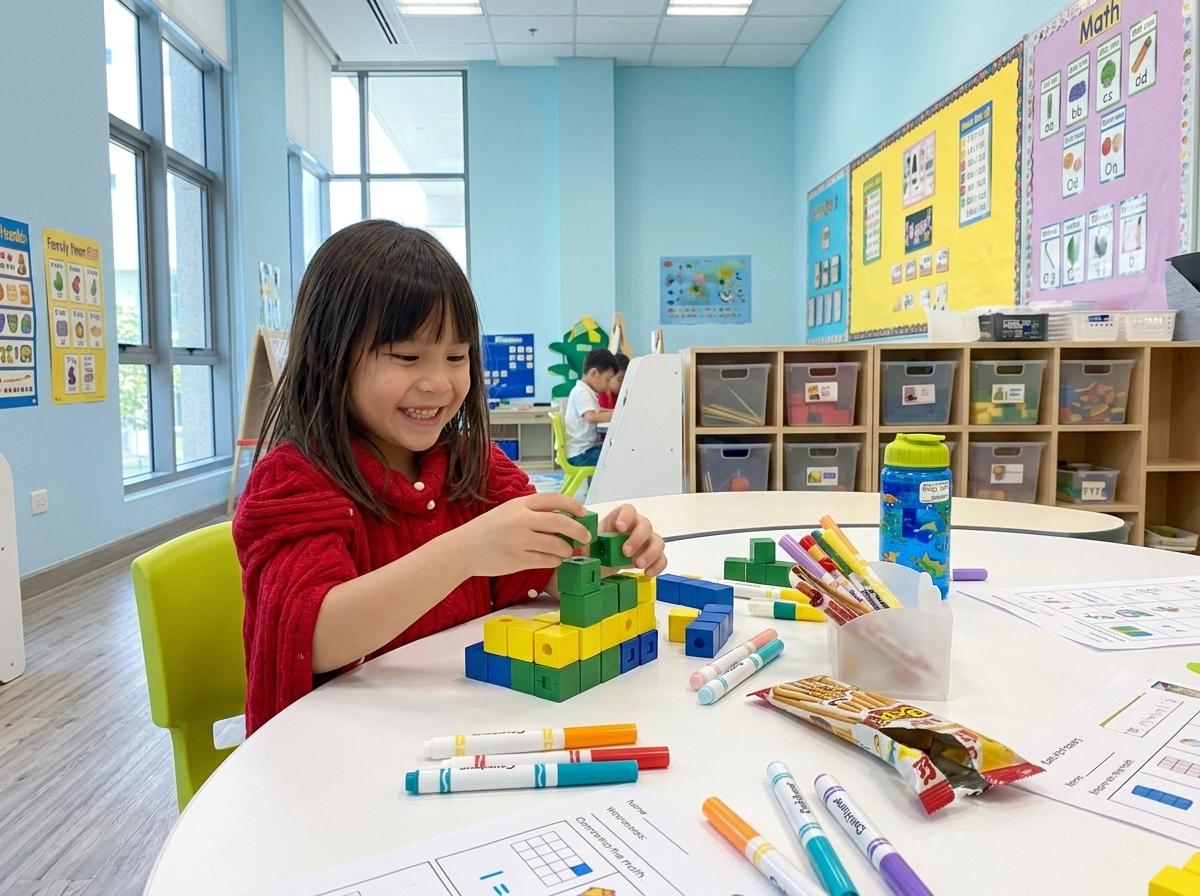
Confidence grows when kids see their own progress. Hands-on activities and real-world applications make math feel relevant and achievable. When children understand how math applies to their everyday lives, they are more likely to feel confident in their abilities.
Take, for example, a child who learns to measure ingredients for a recipe. This simple task uses math skills in a practical way, boosting confidence. Celebrating small victories like these encourages children to continue pushing their boundaries and exploring new mathematical concepts.
Hands-On Math Learning
Creative Math Program Benefits
At Growing IQ, we emphasize creativity in math education. Our programs integrate arts and movement, making math a multisensory experience. This approach not only grabs attention but also helps solidify understanding.
For instance, using music to teach patterns or rhythms enhances memory and retention. A child dancing to a math beat is not just having fun; they're learning vital concepts in an enjoyable way. This blend of creativity and education fosters a love for learning and builds a strong foundation for future success.
Experiential Learning in STEM
Experiential learning is about doing, not just observing. This method is especially effective in STEM education. By engaging in hands-on activities, students can see and feel the principles of math and science in action.
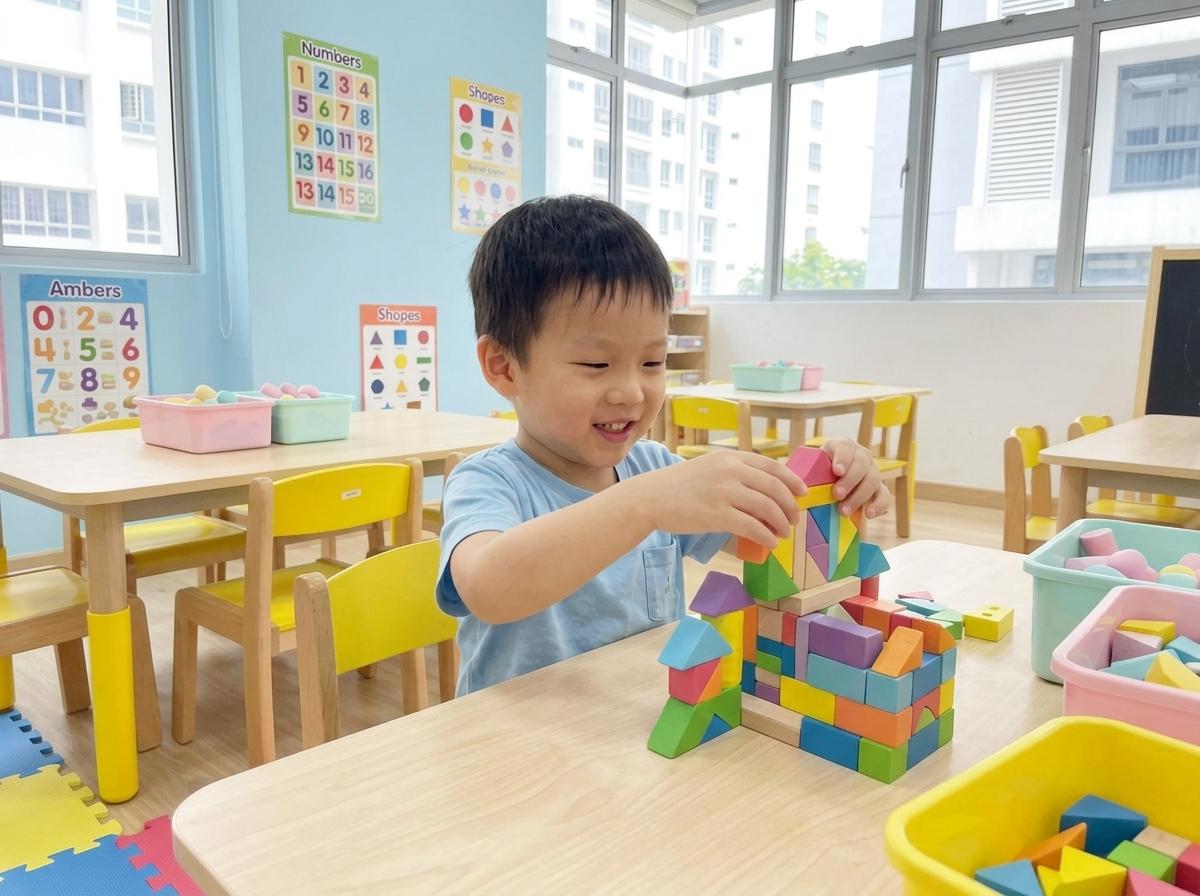
Imagine a class where students build structures using everyday materials. They learn geometry and physics through trial and error. This method encourages critical thinking and problem-solving, skills essential for STEM fields. It’s about preparing students to think like scientists and engineers from an early age.
Music and Movement in Math
Incorporating music and movement into math lessons breaks the mold of traditional teaching. It turns abstract concepts into tangible experiences. Songs can teach multiplication tables, while dance can illustrate geometric shapes. These activities engage different parts of the brain, enhancing cognitive skills.
Children who learn through music and movement often show greater retention and understanding of math concepts. This approach also caters to different learning styles, ensuring that all children can benefit. By making math a dynamic and interactive subject, we can nurture a lifelong interest in it.
Personalized Math Instruction
Critical Thinking in Math
Critical thinking is at the heart of math instruction at Growing IQ. We encourage students to question, analyze, and solve problems creatively. This skill is crucial not only in math but in all areas of life.
Students are taught to approach problems like detectives, looking for clues and patterns. This method not only makes math more engaging but also helps children develop strong reasoning skills. By fostering critical thinking, we prepare students to tackle complex challenges both in school and beyond.
Math Enrichment Program Details
Our math enrichment programs are designed to provide personalized learning experiences. We assess each child's strengths and areas for improvement, tailoring our approach to meet their needs. This ensures that every child progresses at their own pace.
Programs like "Math Music Motion" engage young learners through creative activities, making math enjoyable and accessible. By focusing on each child's unique learning style, we help them build confidence and competence in math. This personalized approach sets us apart from more traditional methods.
Alternatives to Rote Memorization
Traditional math education often focuses on memorization, but this approach doesn’t foster a deep understanding. At Growing IQ, we offer alternatives that encourage comprehension over rote learning.
Instead of memorizing formulas, students explore the concepts behind them. This might include using manipulatives or technology to visualize math problems. By understanding the "why" behind math, students can apply their knowledge in new and innovative ways.
🌟📚🎶
By embracing growth mindset principles, fostering hands-on learning, and offering personalized instruction, we create a nurturing environment where children thrive in math. Whether it’s through creative programs or experiential learning, the goal is to ignite curiosity and build lasting confidence in every young learner.
Comments