
Personalized Math, Big Confidence: Top Benefits for Curious Young Minds

Personalized math programs do more than teach numbers—they build real confidence in your child’s abilities. When math learning fits your child’s unique pace and style, curiosity grows naturally. You’ll see problem-solving skills sharpen and a love for challenges take root. Let’s explore how tailored math paths ignite confidence and spark curiosity in young minds, setting them up for success beyond the classroom. Learn more here.
Benefits of Personalized Math Programs
Personalized math programs create a strong foundation for children by focusing on their unique learning styles. Let's look at how they build confidence and foster a love for math in young learners.
Building Math Confidence in Kids
Confidence is key in math learning. When kids see that math fits their style, they feel capable. Personalized programs tailor lessons to each child's pace. By setting achievable goals, children experience success regularly, boosting their self-esteem. For example, a child who struggles with multiplication can focus on mastering addition first. This gradual mastery helps them see math as a series of attainable steps, not an insurmountable challenge.
Another benefit is the immediate feedback personalized programs provide. Kids can correct mistakes in real-time, turning errors into learning moments. This approach not only enhances understanding but also encourages a positive attitude toward math. As confidence grows, kids begin to see themselves as capable mathematicians ready to tackle new challenges.
Fostering Critical Thinking for Children
Critical thinking is a vital skill that extends beyond math. In personalized programs, children learn to analyze problems and develop solutions creatively. This process begins with open-ended questions that encourage exploration. For instance, instead of asking for the sum of two numbers, a program might prompt a child to find various ways to reach the same answer. This encourages deeper thinking and flexibility in problem-solving.
Moreover, personalized programs use real-world scenarios to make math relatable. Children see how math applies in everyday life, such as budgeting for a school project or measuring ingredients for a recipe. These practical applications show kids that math is not just abstract numbers but a tool they can use in the world. By connecting math to real life, kids develop a keen ability to think critically and apply their knowledge in various situations.
Reducing Math Anxiety
Math anxiety can hinder a child's ability to learn. Personalized programs aim to reduce this stress by creating a supportive environment. With lessons tailored to their needs, children feel less pressured and more in control of their learning journey. This individualized attention helps them approach math with curiosity instead of fear.
By breaking down complex topics into manageable pieces, personalized programs make math less daunting. Children learn at their own pace, which minimizes the fear of falling behind. As they progress through their customized lessons, they gain a sense of accomplishment and confidence. This positive reinforcement gradually diminishes anxiety, transforming math from a source of stress to a subject of interest.
Growth Mindset Math for Young Learners
Developing a growth mindset is essential for young learners. Personalized math programs encourage children to embrace challenges as opportunities to learn and grow.
Encouraging Problem-Solving Skills
Problem-solving is a cornerstone of math education. Personalized programs place a strong emphasis on developing these skills from an early age. Children are encouraged to approach problems with curiosity, asking questions and exploring various strategies. This open-minded approach fosters creativity and persistence.
Programs often present problems in a step-by-step manner, allowing children to build on their previous knowledge. For instance, a child might start by solving simple equations before progressing to more complex ones. This gradual increase in difficulty helps them develop confidence in their abilities. Additionally, collaborative activities encourage children to work together, sharing ideas and learning from one another. These experiences not only enhance problem-solving skills but also teach valuable lessons in teamwork and communication.
Hands-On Math Learning Techniques
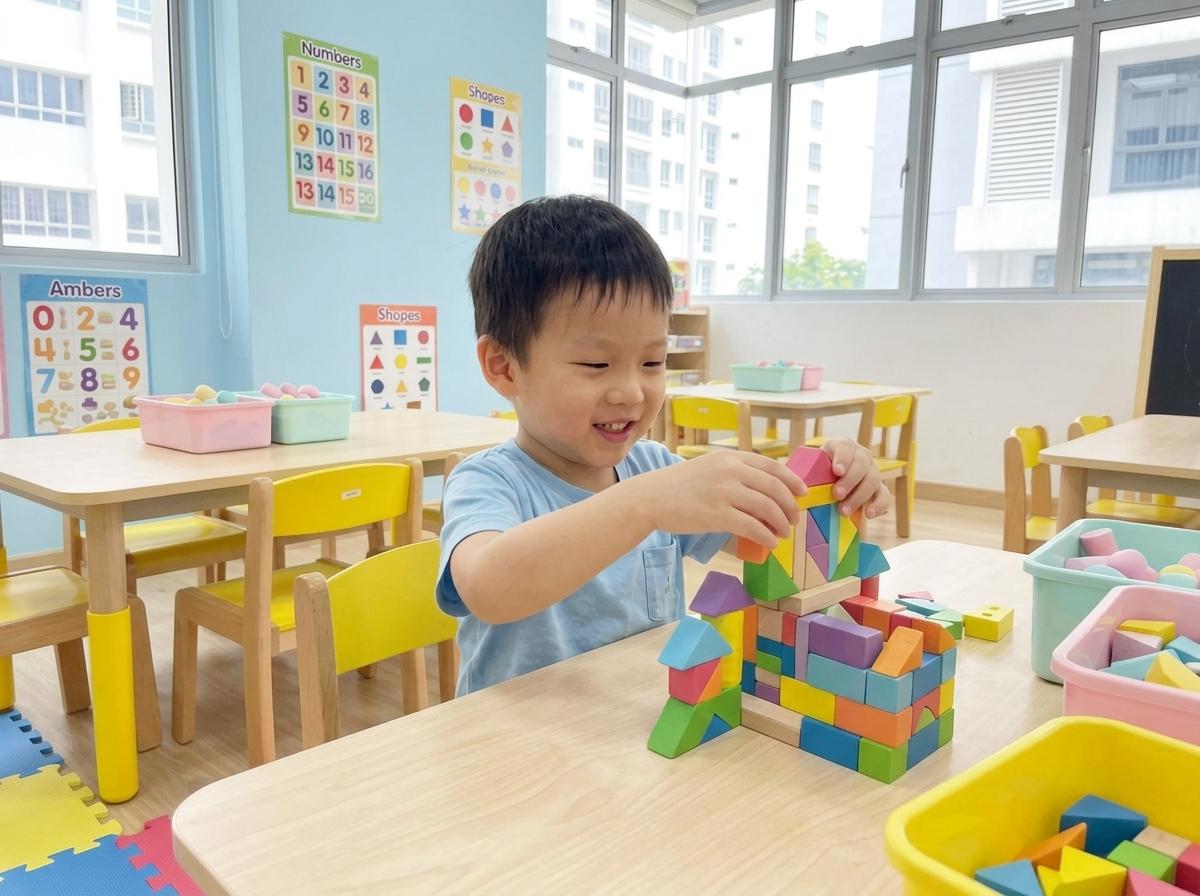
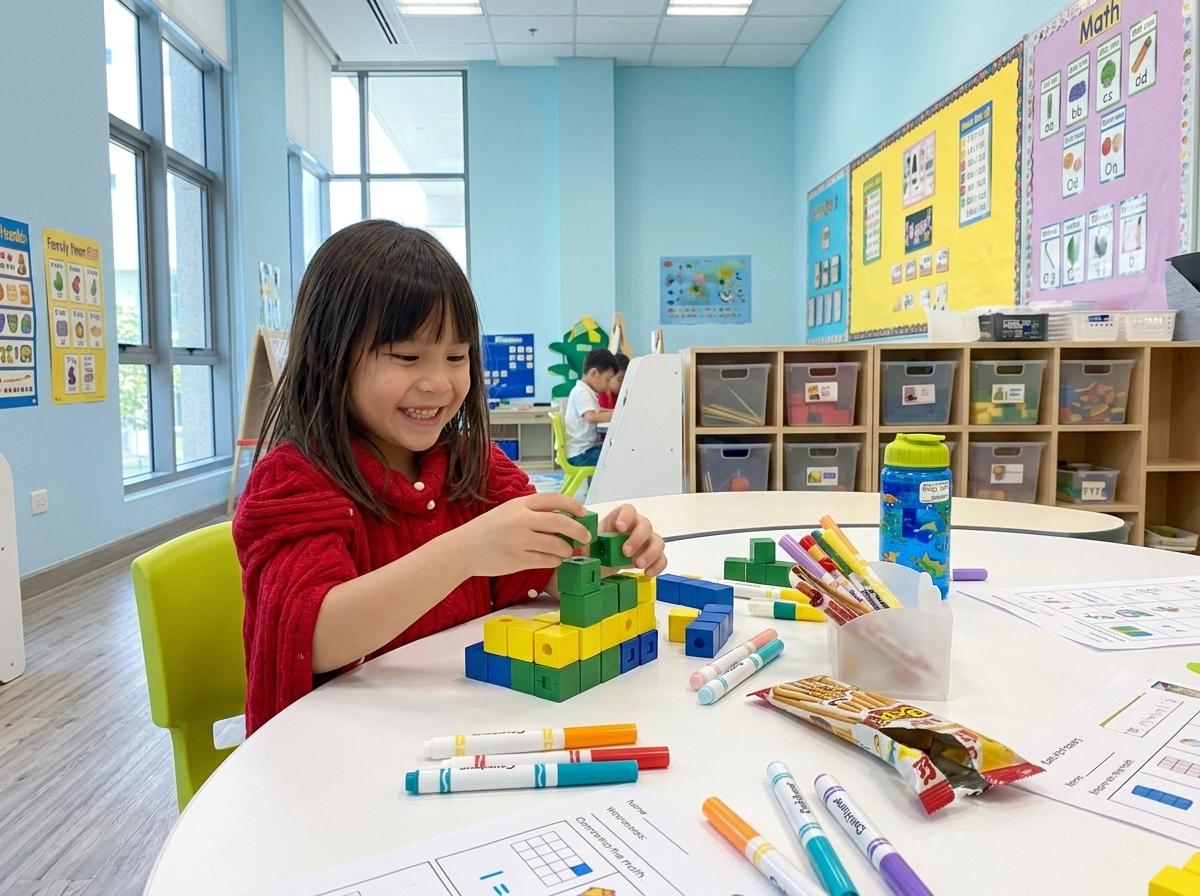
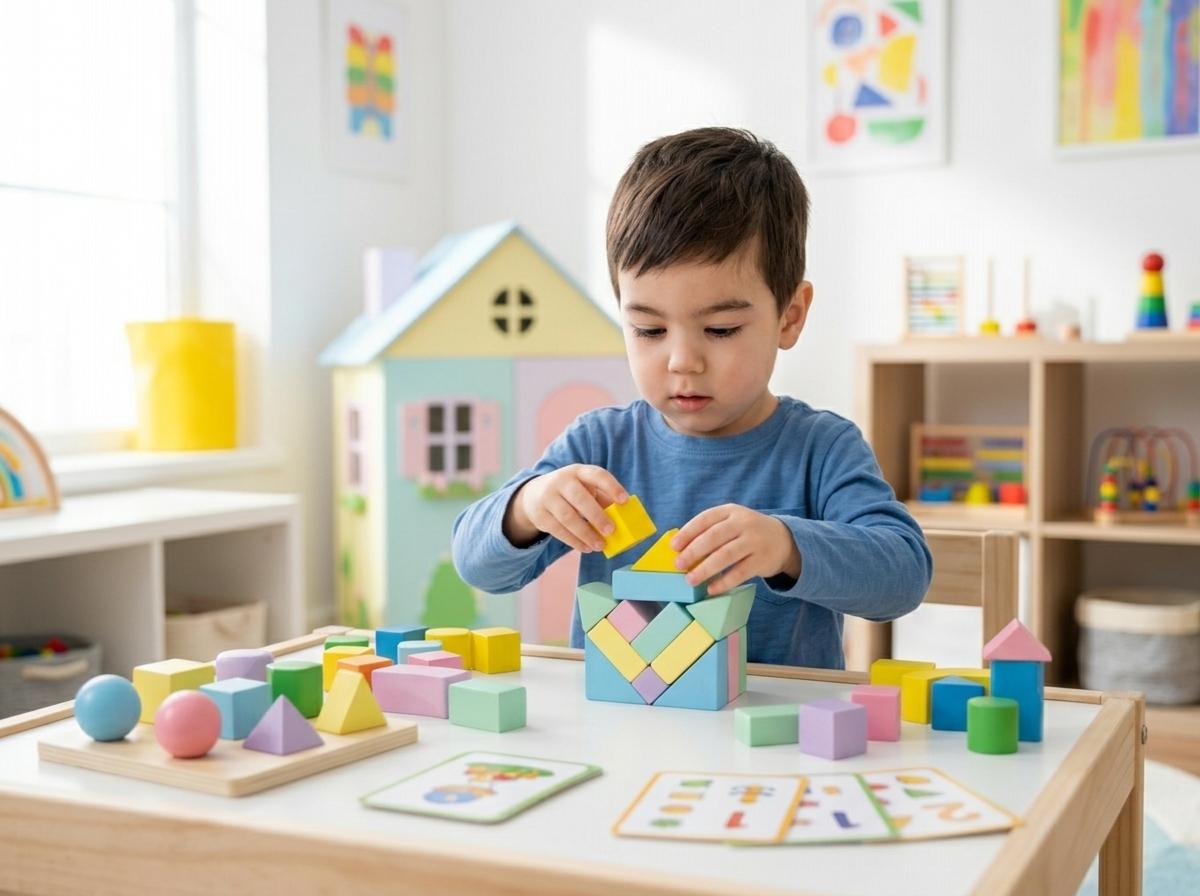
Hands-on learning is a powerful way to engage young minds. Personalized programs incorporate tactile activities to make math concepts tangible. By using physical objects, children can visualize abstract ideas, turning them into concrete understanding. For example, building with blocks helps illustrate addition and subtraction, while measuring ingredients for a recipe demonstrates fractions in action.
These interactive experiences make math fun and memorable. Children are more likely to retain information when they actively participate in the learning process. Hands-on activities also provide a break from traditional worksheets, keeping lessons fresh and exciting. This dynamic approach not only enriches their understanding but also instills a lifelong love for math.
Creative Math Curriculum Exploration
Creativity is at the heart of personalized math programs. By integrating art, music, and games, these programs transform math into a creative adventure. For instance, incorporating music into lessons can help children understand patterns and rhythms, linking these concepts to mathematical sequences.
Programs often include storytelling, where children use math to solve problems within a narrative. This approach captivates their imagination, making math an exciting journey rather than a chore. By exploring math through various creative lenses, children discover new ways to engage with the subject. This multidimensional approach not only enhances their understanding but also nurtures their creativity, setting them up for success in all areas of life.
Math Enrichment Opportunities
Personalized math programs offer a variety of enrichment opportunities to deepen children's understanding and passion for math.
Individualized Learning Plans Explained
Individualized learning plans are tailored to meet each child's specific needs. These plans begin with a comprehensive assessment to determine the child's current level and areas for improvement. Based on this information, a customized curriculum is created to target their unique strengths and challenges.
Through ongoing assessments, the program adapts to the child's progress, ensuring they continue to be challenged and supported. This personalized approach helps children achieve their full potential, building both competence and confidence in math. With a clear roadmap for success, children feel empowered to take charge of their learning journey.
Math Music Motion for Early Numeracy
Math Music Motion is a unique program that combines music and movement with math concepts. Young children are introduced to numbers through songs and dance, making math an enjoyable experience. This multisensory approach helps children internalize mathematical ideas, such as counting and sequencing, in a fun and engaging way.
By linking math to music, children develop a deeper understanding of patterns and rhythms. This connection enhances their ability to recognize mathematical relationships and apply them in various contexts. Math Music Motion not only boosts numeracy skills but also fosters a love for learning in young children.
Engaging in Math Camps and Workshops
Math camps and workshops provide an immersive environment for children to explore math beyond the classroom. These programs offer hands-on activities, games, and challenges that encourage children to think critically and creatively.
Participants work collaboratively on projects, gaining valuable teamwork and communication skills. Workshops often focus on specific themes, such as geometry or algebra, allowing children to dive deep into particular areas of interest. By participating in these enrichment opportunities, children develop a comprehensive understanding of math and a passion for lifelong learning.
🎉📚🔢
By choosing personalized math programs, you're giving your child the tools to succeed in math and beyond. Through tailored learning paths, a focus on critical thinking, and creative approaches, children develop confidence and a genuine love for math. These programs not only prepare them for academic success but also instill valuable life skills. Whether through individualized plans, engaging activities, or immersive workshops, the benefits of personalized math programs are clear. Embrace the opportunity to support your child's math journey and watch them thrive!
Comments