
Pause, Build, Thrive: How to Tell If Your Child Needs a Stronger Math Foundation

Most kids stumble in math because they race ahead without solid basics. You might notice your child guessing answers or struggling with word problems. Spotting these signs early helps build a strong foundation that supports confidence and lasting skills. Let’s explore how growth mindset math can guide you in knowing when to pause and strengthen those essential building blocks. Check out this resource for more insights.
Recognizing Math Struggles Early
Math challenges can arise unexpectedly. Identifying them early is key to ensuring your child doesn't fall behind. Here's what to watch for and how to address it.
Signs of Math Struggle
If your child often guesses answers, becomes frustrated easily, or avoids math tasks, these could be signs they're struggling. Problems with word problems or basic operations might indicate the need for a stronger foundation. It's essential to observe these behaviors closely. When children rush or seem disinterested, they might be overwhelmed by the complexity of the material. Ask your child open-ended questions to understand their thought process. This will provide insights into their understanding and reveal areas needing attention.
Importance of Foundational Math Skills
Building a strong math foundation is crucial. Skills such as number sense, early numeracy, and math vocabulary lay the groundwork for advanced concepts. Without these basics, children might find it hard to progress in math. A solid foundation helps children approach problems with confidence. They gain the ability to think critically and solve problems effectively. Supporting these skills can lead to improved math fact fluency and comprehension.
When to Pause and Build
Sometimes, it's necessary to pause and reinforce the basics. If your child struggles with foundational skills, take a step back. Focus on strengthening their understanding before moving forward. Use resources like visual math models and experiential learning. These tools help clarify concepts and build a strong mathematical base. Remember, taking the time now to address these gaps can set the stage for future success.
Growth Mindset in Math Education
Developing a growth mindset can transform how children experience math. It encourages them to see challenges as opportunities for growth.
Encouraging Number Sense Development
Fostering number sense helps children understand the value and relationships of numbers. Encourage activities that promote this skill. Simple games and everyday math problems can be effective. Early numeracy exercises, like counting objects or comparing quantities, provide a great start. These activities promote number sense development and build confidence. As children become comfortable with numbers, they develop a deeper understanding of math concepts.
Conceptual Understanding vs Memorization
Understanding concepts is more beneficial than memorizing procedures. Encourage your child to explore how math works rather than just remembering formulas. This approach allows for deeper comprehension and critical thinking. Discussing math problems together can reinforce this mindset. By focusing on conceptual understanding, children become adept at applying knowledge to new situations, enhancing their overall math skills.
Building Confidence in Math
Confidence in math grows when children feel capable. Praise their efforts and celebrate small successes. Encourage them to tackle problems without fear of mistakes. Remind them that errors are part of the learning process. Building confidence helps children approach math challenges with a positive attitude. They learn to view setbacks as opportunities to improve.
Creative Solutions for Learning Gaps
Finding creative ways to address learning gaps can make math enjoyable and effective. Let's explore hands-on activities and personalized learning.
Hands-on Math Activities
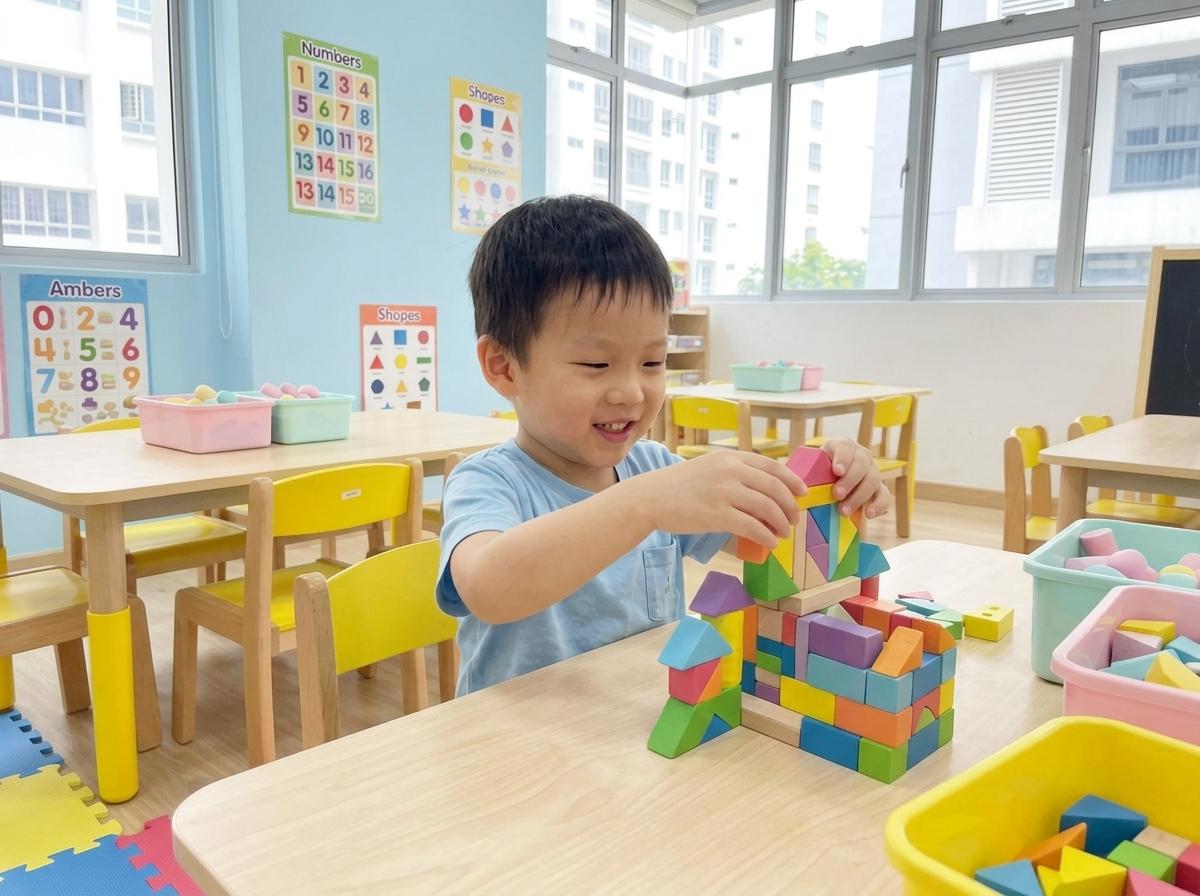
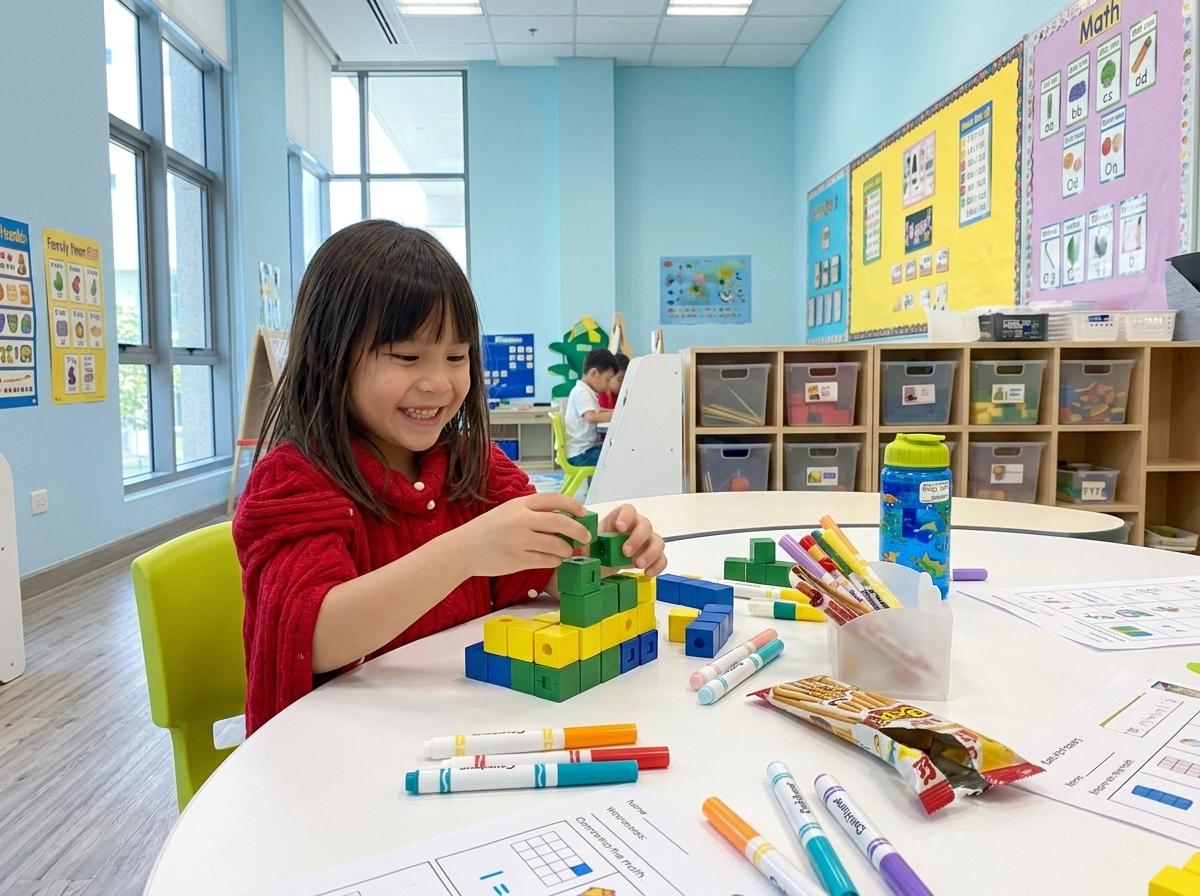
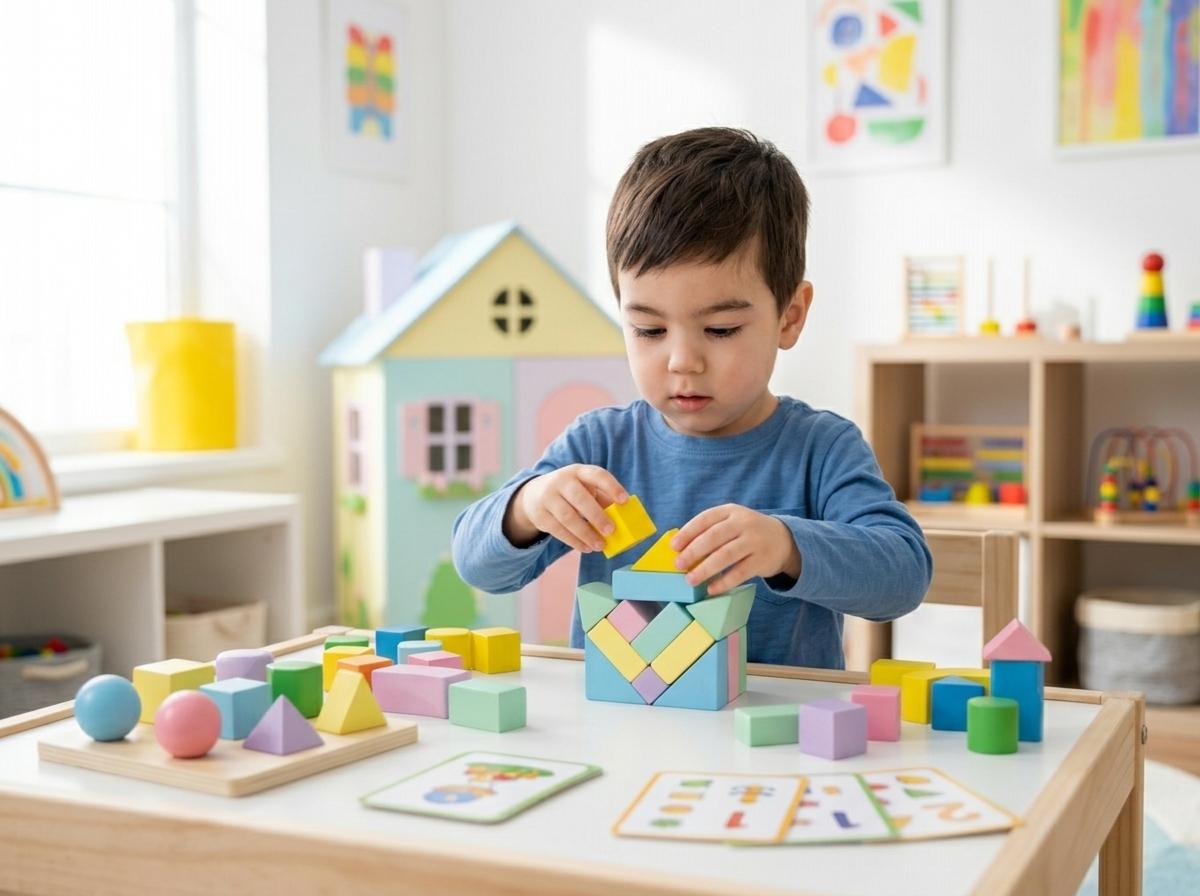
Engage your child with hands-on math activities to make learning fun. Use everyday objects to teach math concepts. Activities like baking can teach measurements, while playing with blocks can demonstrate geometry. These experiences make abstract ideas more concrete. As children play and experiment, they develop a deeper understanding of mathematical principles.
Personalized Learning in Math
Tailoring math education to your child's needs ensures they receive the support they require. Assess their strengths and weaknesses to create a personalized plan. Use resources like this guide for insights on personalizing math learning. Personalized learning boosts engagement and helps children progress at their own pace. It fosters an environment where they can thrive and succeed in math.
Math and Literacy Connection
There's a strong link between math and literacy. Developing skills in one area can support growth in the other. Encourage your child to read math-related stories and solve word problems. This approach enhances comprehension and problem-solving skills. By connecting math and literacy, children gain a broader understanding of both subjects, paving the way for academic success.
Frequently Asked Questions
What are the signs my child is struggling with math? Look for signs such as guessing answers, avoiding math tasks, or frustration with word problems. These may indicate that your child needs help reinforcing foundational skills.
How can I help my child build a stronger math foundation? Focus on activities that enhance number sense, early numeracy, and math vocabulary. Engaging in hands-on math activities and personalized learning plans can also support foundation building.
Why is conceptual understanding important in math? Conceptual understanding allows children to comprehend how math works, leading to better problem-solving skills. It enables them to apply knowledge flexibly, unlike memorization, which limits their ability to adapt to new situations.
How can I encourage a growth mindset in my child? Praise their efforts, celebrate small successes, and remind them that mistakes are learning opportunities. Help them see challenges as chances to grow and improve.
What resources can I use to support my child's math learning? Explore online guides, hands-on activities, and personalized learning plans to support your child's math education. Consider checking this link for more resources.
Comments