
Is Your Child Ready to Move On? 9 Signs a Stronger Math Foundation Comes First

Most parents want their child to move ahead with confidence, but skipping over shaky math skills can cause more harm than good. When number sense or place value understanding feels fragile, it’s a sign to pause and build a stronger math foundation. This post shares nine clear signs your child might need that extra support, paired with hands-on math activities and a growth mindset approach to close learning gaps before the next step. Learn more about building strong math foundations.
Recognizing Math Foundation Gaps
When it comes to your child's math learning journey, identifying potential gaps is crucial. Let's explore how you can spot these gaps and understand their significance.
Signs of Fragile Number Sense
A fragile number sense can hold your child back. If your child struggles to recognize numbers or count objects, it might be time to focus on strengthening these skills. Perhaps they mix up numbers or need to recount objects often. These signs suggest they could benefit from a more hands-on approach to learning numbers. Building a solid number sense is like laying a foundation for a house. Without it, the whole structure can be shaky. Encourage activities that involve counting, grouping, and comparing quantities. This can help your child gain confidence in their number sense.
Identifying Shaky Place Value Understanding
Understanding place value is key to mastering math. If your child has trouble distinguishing between tens and ones, or if they misplace digits in larger numbers, it's a sign of shaky place value understanding. You might notice them struggling with basic arithmetic or getting confused during math homework. Addressing this early on is important because it affects their ability to perform more complex calculations later. Use visual aids like place value charts or blocks to make these concepts more tangible. With practice, your child can develop a clearer understanding of numbers and their values.
Spotting Limited Math Fact Flexibility
Math fact flexibility is about knowing and using math facts comfortably. If your child relies heavily on fingers or gets stuck on simple addition or subtraction problems, it's a sign of limited math fact flexibility. This can slow down their overall math progress. Think of math facts as building blocks. When your child struggles to recall them quickly, it can make math feel overwhelming. Encourage practice through games and timed activities. This will help your child gain fluency and confidence, making math more enjoyable.
Strategies for Closing Learning Gaps
Now that you've identified potential math gaps, let's explore strategies to help close these gaps and support your child's growth.
Hands-On Math Activities
Engaging in hands-on math activities can make learning more exciting. Activities like counting with real objects or using everyday items for math problems can bring concepts to life. For example, use coins to teach addition and subtraction or measure ingredients while cooking to practice fractions. These activities not only make math relatable but also nurture a positive attitude towards learning. Hands-on experiences allow your child to explore and understand math in a way that's fun and meaningful.
Using Math Manipulatives and Visual Models
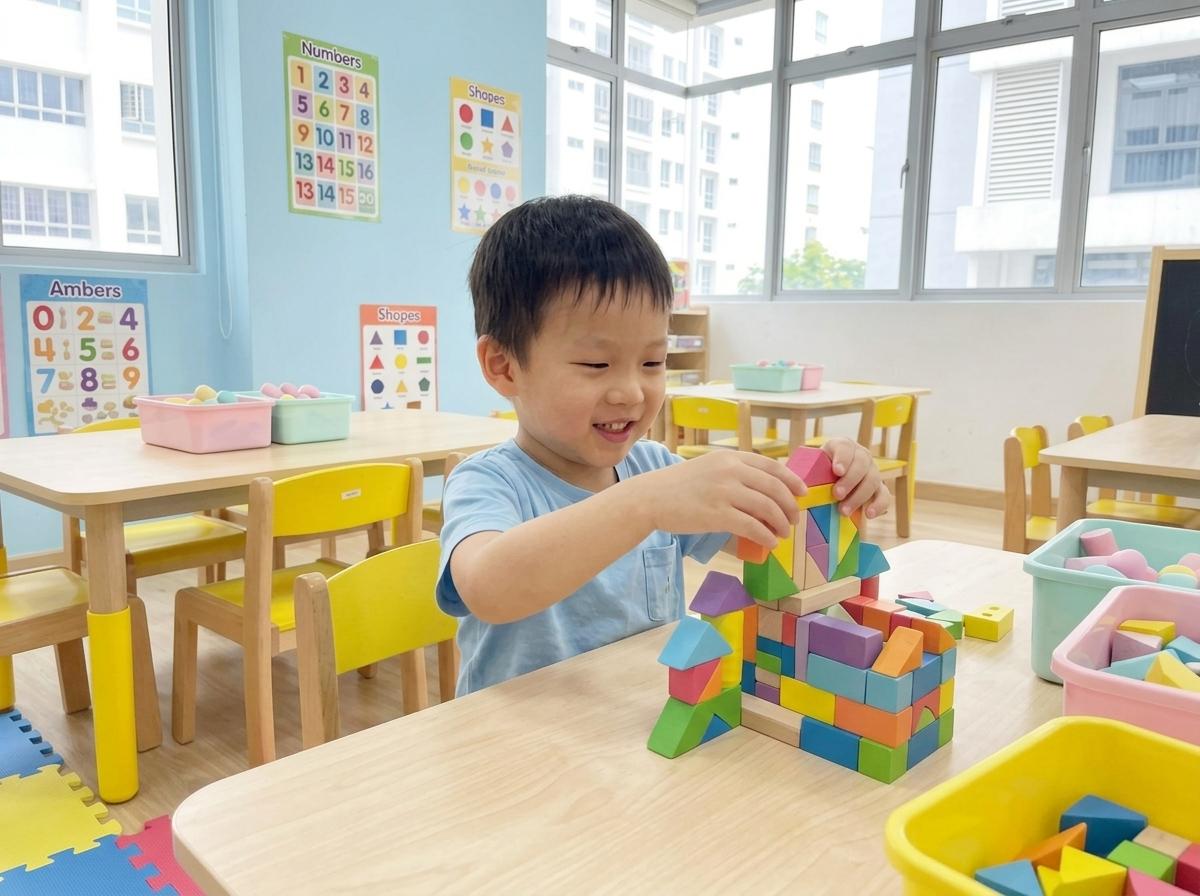
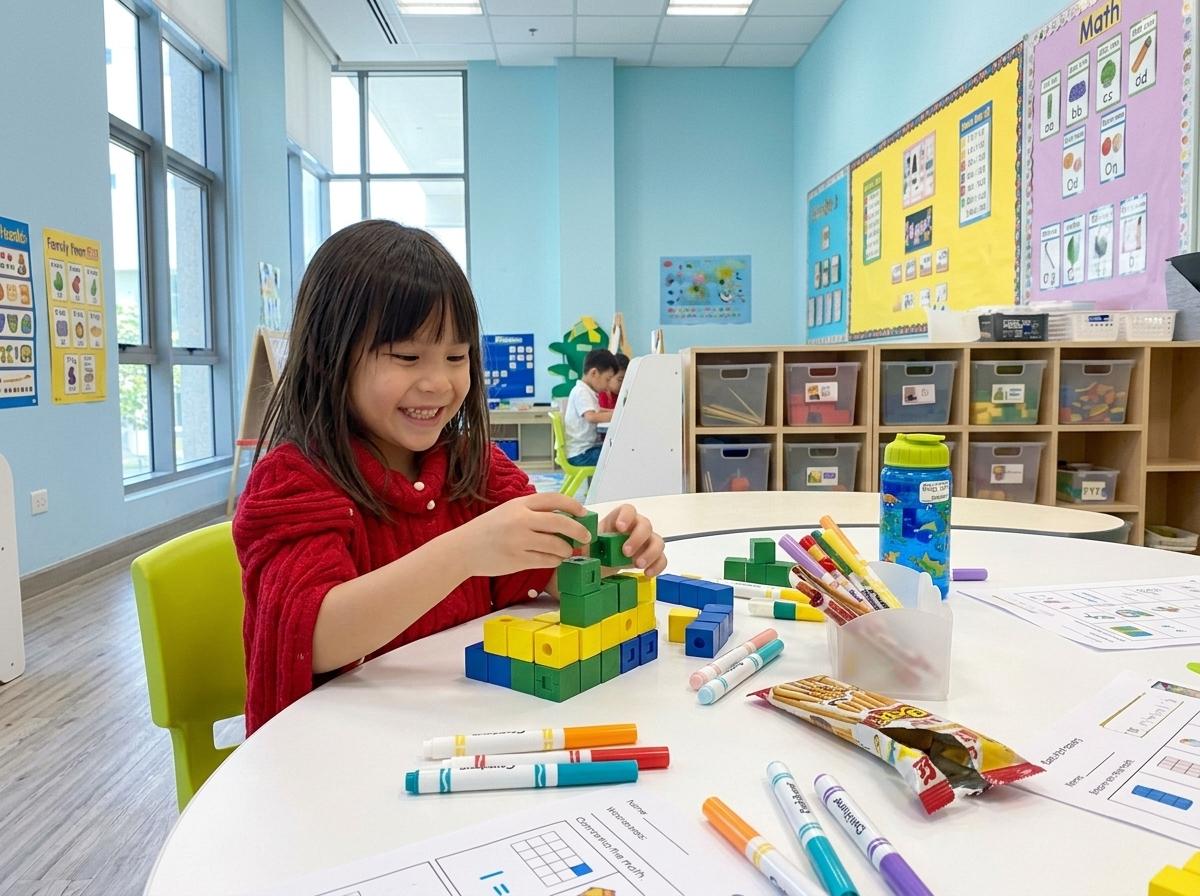
Math manipulatives and visual models are powerful tools for learning. They make abstract concepts more concrete and understandable. Using tools like base ten blocks, number lines, or fraction circles can help your child visualize and grasp difficult math topics. For instance, when learning fractions, using fraction circles can provide a clearer picture of how parts make up a whole. Encourage your child to use these resources during homework or when tackling challenging problems. They can make a significant difference in comprehension and retention.
Creative Problem-Solving Strategies
Creative problem-solving strategies empower your child to think critically and confidently. Encourage them to approach math problems with curiosity and experimentation. Strategies like drawing diagrams, breaking problems into smaller parts, or even acting out scenarios can help unravel complex problems. When your child learns to explore different methods, they become more adaptable learners. This flexibility not only aids in math but extends to problem-solving in various areas of life. Encourage a mindset where mistakes are seen as opportunities to learn and grow.
Personalized Growth Mindset Math Support
Creating a supportive environment that fosters a growth mindset can make a significant difference in your child's math journey.
Benefits of a Math Assessment for Kids
A math assessment can provide valuable insights into your child's strengths and areas for improvement. It identifies specific gaps and helps in creating a tailored learning plan. With this information, you can focus on the areas that need attention without overwhelming your child. Assessments serve as a roadmap, guiding your child's learning journey. They allow for targeted interventions, ensuring that your child gets the support they need to thrive in math.
Developing a Personalized Learning Plan
A personalized learning plan is essential for addressing your child's unique needs. It outlines goals, strategies, and resources tailored to their learning style. Collaborate with teachers or educational experts to create a plan that suits your child's pace and preferences. This approach ensures that learning is relevant and engaging. By following a structured plan, your child can progress steadily and gain confidence in their abilities.
Exploring Math Intervention vs Enrichment Programs
Deciding between math intervention and enrichment programs depends on your child's needs. Intervention programs focus on filling learning gaps, while enrichment programs extend learning beyond the standard curriculum. If your child struggles with basic concepts, intervention might be necessary to build a strong foundation. On the other hand, if they're excelling and seeking more challenges, enrichment programs can provide stimulating opportunities. Both options have their benefits, and choosing the right one can enhance your child's math experience.
Frequently Asked Questions
What are the signs my child needs help with math?
Signs include struggling with basic math facts, confusing numbers, or showing frustration during math tasks. If your child often needs extra help or avoids math activities, it might indicate the need for support.
How can I help my child improve their number sense?
Engage in activities that involve counting, grouping, and comparing quantities. Use everyday scenarios like shopping or cooking to practice numbers. Playing math-related games can also reinforce number sense in a fun way.
What is the benefit of using math manipulatives?
Math manipulatives make abstract concepts tangible, helping kids understand complex ideas more easily. They provide a hands-on approach that can enhance comprehension and make learning interactive and enjoyable.
How do I know if my child needs a math assessment?
If you're noticing consistent struggles or gaps in understanding, a math assessment can pinpoint specific areas that need attention. It provides a clear picture of your child's strengths and challenges, helping to tailor a learning plan.
What is the difference between math intervention and enrichment programs?
Math intervention programs focus on addressing learning gaps and providing extra support, while enrichment programs offer advanced challenges for students excelling in math. Choosing the right program depends on your child's current needs and goals.
Comments