
Is Your Child Ready for the Next Math Skill? 10 Signs to Strengthen the Foundation First

Too many kids rush into the next math skill before their number sense is solid. You might notice your child hesitating or guessing rather than understanding. Spotting these signs early helps you build a stronger math foundation, setting them up for real success ahead. Let’s explore the key indicators and what comes next to boost confidence and clear gaps before moving forward. For more insights, check out this link.
Recognizing Math Readiness
It's crucial to identify if your child is truly ready to move on to the next math skill. Recognizing early signs of math struggles can prevent future learning obstacles.
Key Signs of Math Struggles
You might notice your child hesitating or guessing rather than understanding math problems. This could indicate gaps in their learning. If they often avoid math tasks or express frustration and anxiety, these are red flags that their foundation could be shaky. Kids might rely heavily on memorization without truly understanding the concepts.
Another sign is inconsistent performance. One day they solve problems easily, while the next, they're struggling. Difficulties with basic operations like addition and subtraction or reliance on finger counting are also indicators that your child might need additional support. Trust your instincts as a parent; if something feels off, it's worth investigating further.
If your child's teacher has raised concerns or if grades are slipping, it's time to take action. Identifying these signs early ensures your child gets the help needed to succeed in math. For more detailed guidance, you might find this resource helpful.
Importance of Number Sense
Number sense is vital for math success. It's the ability to understand numbers, their relationships, and how they work together. Without a solid grasp of number sense, moving to complex math topics becomes challenging.
Children with strong number sense can solve problems flexibly and understand how numbers connect. They can estimate, recognize patterns, and apply math to real-life situations. These skills form the backbone of higher math learning. A child lacking this foundation may struggle with advanced concepts later.
Building number sense involves more than just memorizing facts. It's about helping your child see numbers as part of their everyday world. Games, real-life examples, and discussions about numbers can enhance their understanding. Reinforcing number sense at home sets the stage for future math achievements.
Building a Strong Math Foundation
A robust math foundation opens the door to lifelong learning. Emphasizing conceptual understanding ensures your child is truly prepared for future challenges.
Conceptual Understanding Over Memorization
When children learn math concepts, they gain a deeper understanding of how math works. This goes beyond rote memorization. By grasping concepts, kids can apply math skills to diverse problems and scenarios.
Take fractions, for instance. Instead of memorizing rules, a child who understands fractions can visualize how they represent parts of a whole. This comprehension makes it easier to tackle related topics like decimals and percentages later on. Encouraging your child to ask "why" questions and explore different problem-solving methods can foster this understanding.
Conceptual understanding also promotes critical thinking. Children learn to analyze, reason, and make connections between ideas. This approach builds a resilient math foundation, equipping your child for complex topics down the road.
Growth Mindset in Math Learning
A growth mindset transforms the way children approach math. It encourages them to see challenges as opportunities to grow, not obstacles to avoid.
When kids believe they can improve with effort, they become more resilient. They embrace mistakes as learning opportunities rather than signs of failure. This mindset shift can significantly boost their confidence and motivation in math.
Parents play a crucial role in fostering a growth mindset. Praise your child's efforts, not just their successes. Share stories of mathematicians who faced challenges but persevered. Encourage persistence and celebrate progress, no matter how small. By nurturing a growth mindset, you help your child develop the resilience needed to thrive in math and beyond.
Steps to Strengthen Math Skills
Strengthening math skills involves personalized approaches and engaging activities that connect math to the real world.
Personalized Learning Pathways
Every child learns differently. Personalized learning pathways cater to your child's unique needs and strengths. Tailored instruction focuses on closing gaps and building on existing knowledge.
Start by assessing your child's current math skills. Identify areas where they excel and where they struggle. Use this information to create a customized learning plan. This might involve one-on-one tutoring, online resources, or specific math programs designed to target weaknesses.
Personalized learning encourages your child to take ownership of their education. It fosters a sense of autonomy and motivates them to strive for mastery. By focusing on their individual needs, you empower your child to achieve their full potential in math.
Hands-On Math and Literacy Connection
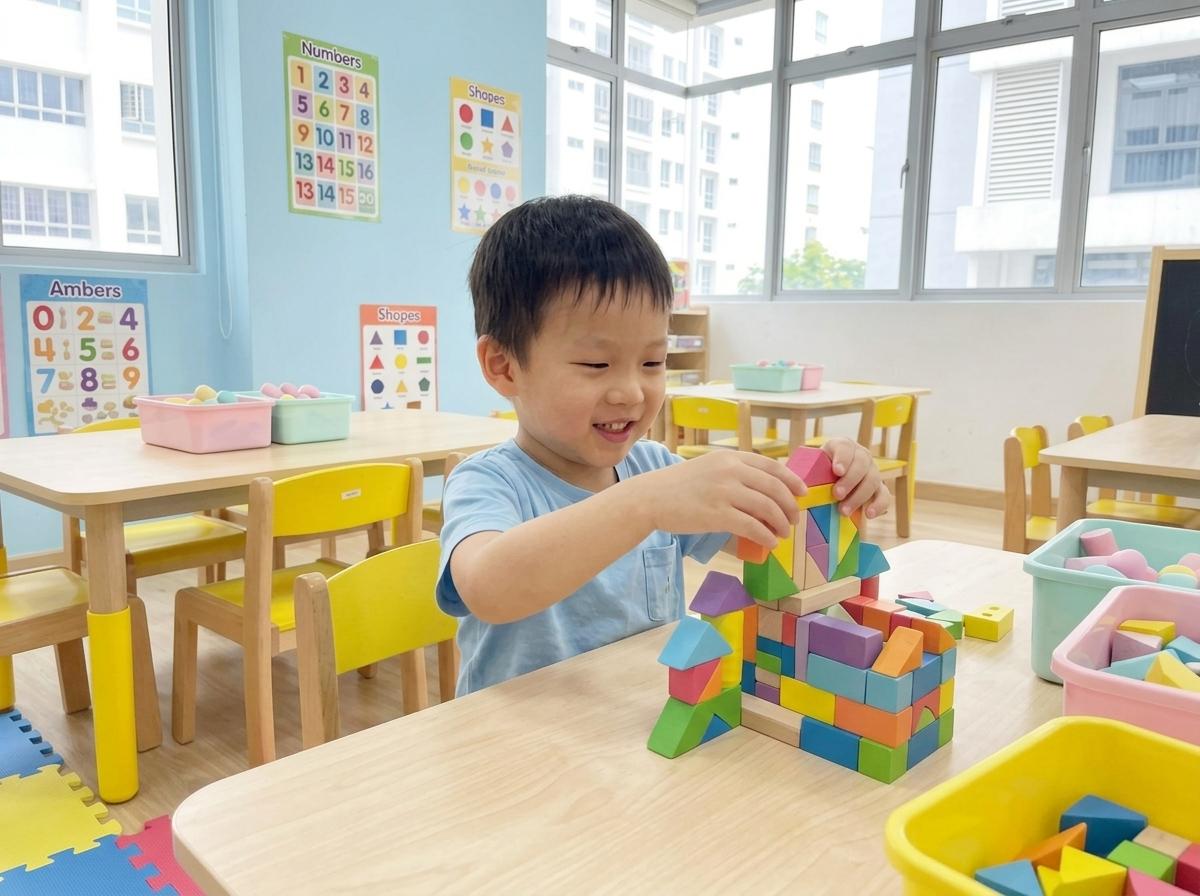
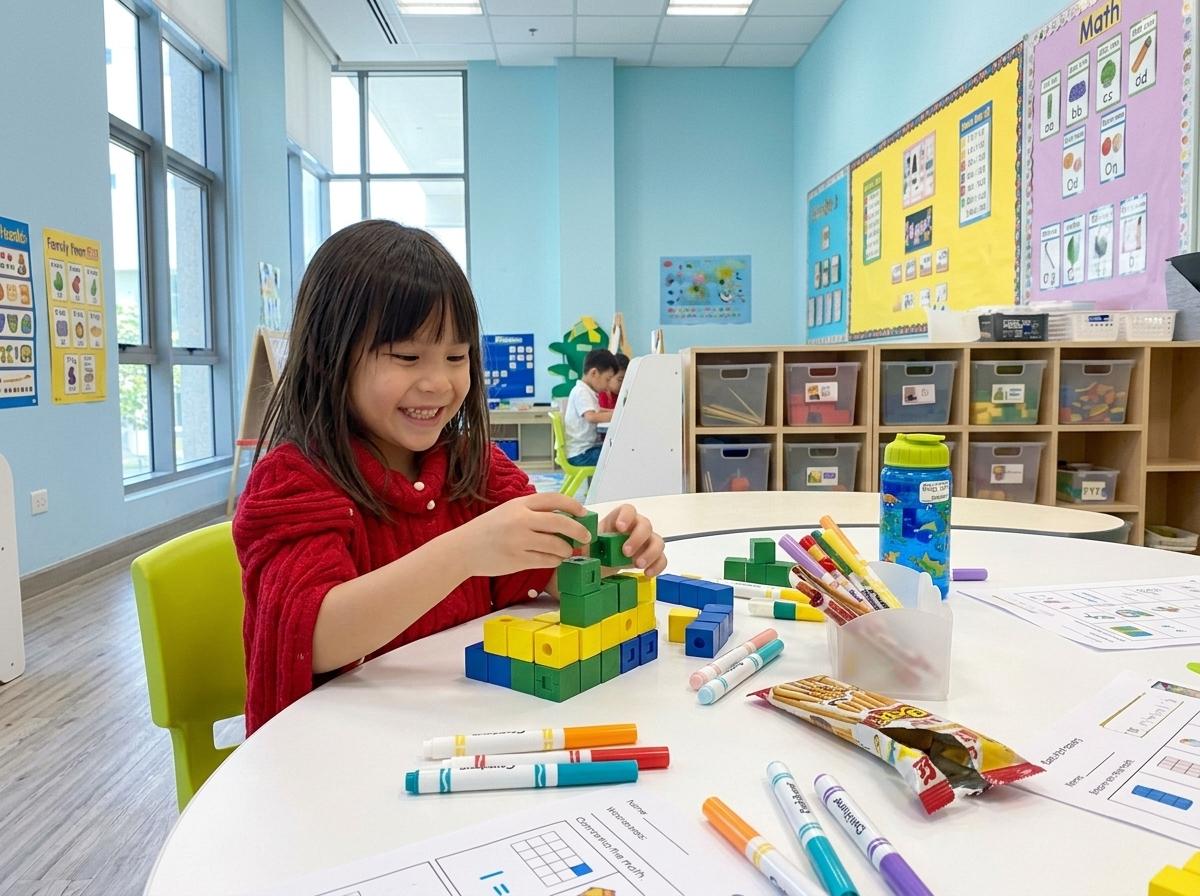
Integrating hands-on activities with math learning makes concepts tangible and fun. When children manipulate objects, they grasp abstract ideas more easily. This approach also connects math to literacy, enhancing comprehension skills.
Consider using everyday items like blocks, coins, or measuring cups to teach math concepts. Cooking together can demonstrate fractions and measurements. Reading stories that incorporate math themes can spark interest and deepen understanding.
Hands-on learning promotes active engagement. It transforms math from a series of abstract equations into a lively, interactive experience. By linking math to real-world contexts, you help your child see its relevance and value.
🎉📚🔢
Frequently Asked Questions
How can I tell if my child is struggling with math?
Look for signs like avoidance of math tasks, frustration, and inconsistent performance. If your child relies heavily on memorization or has trouble with basic operations, they might be struggling. Consulting with their teacher can provide additional insights.
What is number sense, and why is it important?
Number sense is the ability to understand numbers and their relationships. It's crucial because it forms the foundation for advanced math learning. Strong number sense helps children solve problems flexibly and understand math concepts deeply.
How can I help my child develop a growth mindset in math?
Encourage them to view challenges as opportunities to learn. Praise their efforts, not just successes, and share stories of perseverance. Create a supportive environment where mistakes are seen as part of the learning process.
Comments