
In Their Hands, In Their Minds: How Hands-On Math and Literacy Build Deep Understanding

Forget the old idea that math and reading come from sitting still and memorizing facts. When children get to use their hands and bodies, concepts stick faster and deeper. Hands-on learning for kids sparks curiosity and builds confidence by turning abstract ideas into real, touchable experiences. At Growing IQ, we create personalized paths that fill the gaps traditional classrooms often miss, helping your child develop a true growth mindset in math and literacy. For more insights on the benefits of hands-on learning, visit this article.
The Power of Hands-On Learning
When children use their hands and engage physically, they grasp concepts more effectively. This active involvement transforms learning into an engaging and memorable experience.
Tactile Experience in Math and Literacy
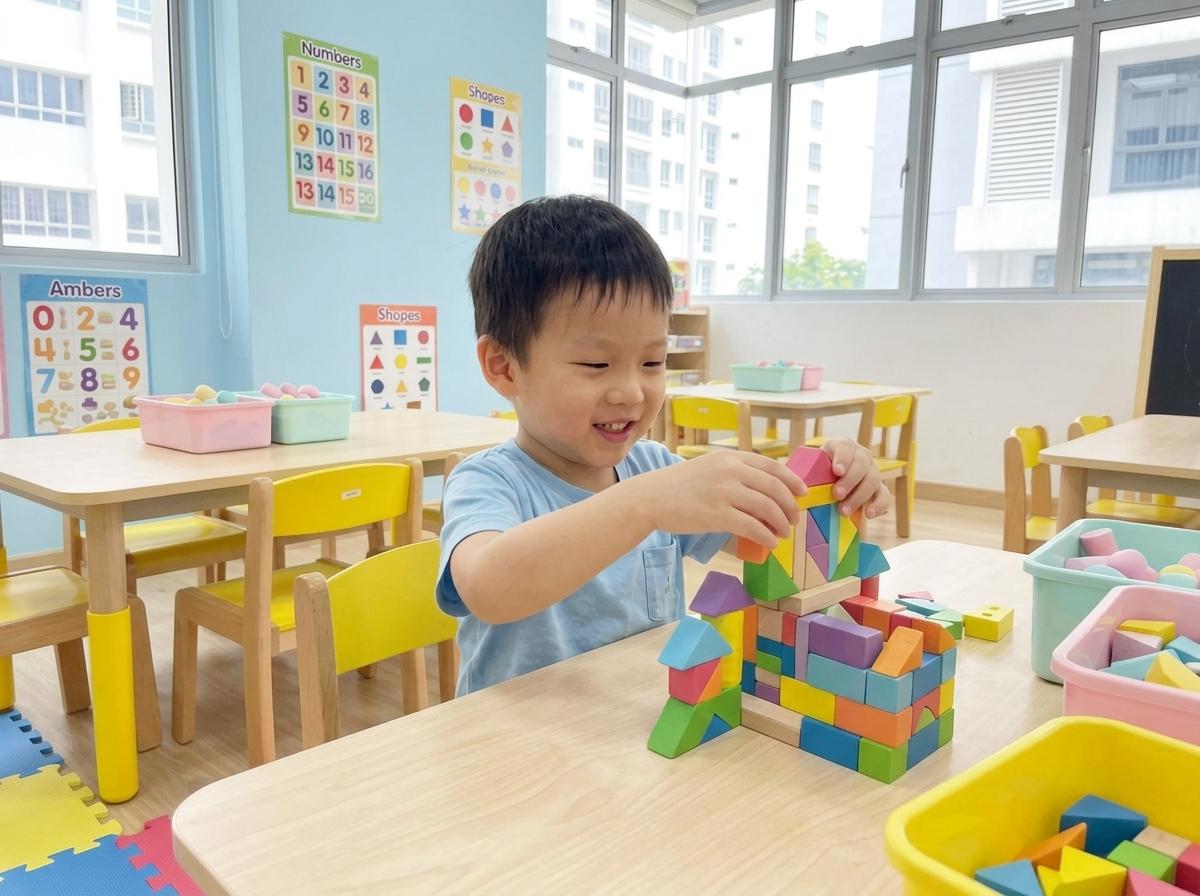
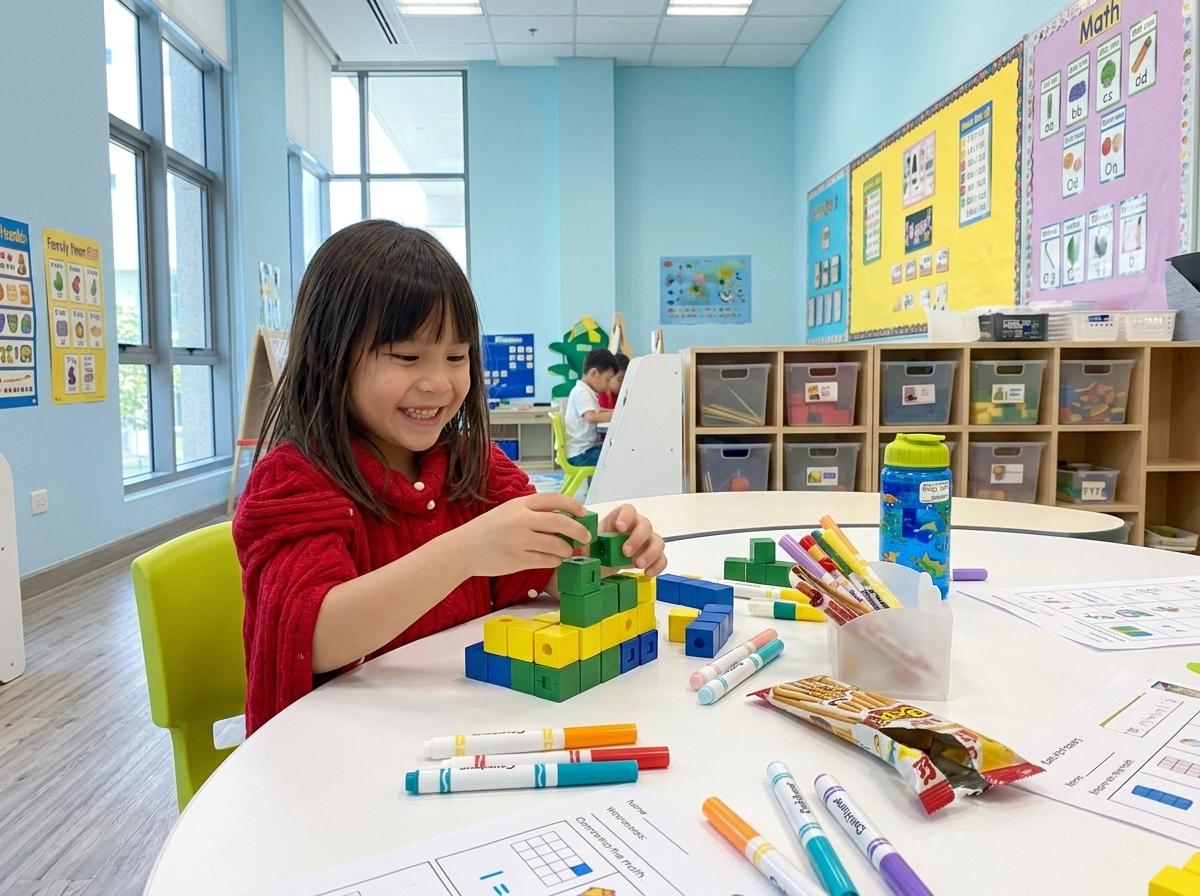
Tactile learning allows children to connect with math and literacy in meaningful ways. By manipulating objects, children understand mathematical concepts like addition and subtraction. Literacy comes alive when kids use their fingers to trace letters or build words with blocks. These tactile experiences form a bridge between abstract ideas and concrete understanding.
Imagine a child learning fractions by slicing a pizza or reading a story through a puppet show. These activities make learning relatable and tangible. Research supports this approach, showing that children involved in hands-on activities retain information longer. As they touch, move, and explore, they build a strong foundation for future learning.
Role of Kinesthetic Learning
Kinesthetic learning involves movement, making it ideal for energetic children. When kids move, they engage more parts of their brain, enhancing recall and understanding. Think of a math lesson where students jump to solve equations or spell words through dance. These activities channel energy positively and embed lessons in memory.
Kinesthetic learning also promotes collaboration and communication. Group activities encourage children to work together, improving social skills while learning. This dynamic approach ensures that lessons are not just heard but experienced, creating lasting impressions.
Creative Math Activities for Kids
Incorporating creativity into math turns lessons into adventures. Activities like building geometric shapes with clay or measuring ingredients for a recipe teach math concepts practically. Such creative tasks make math enjoyable and relevant to everyday life.
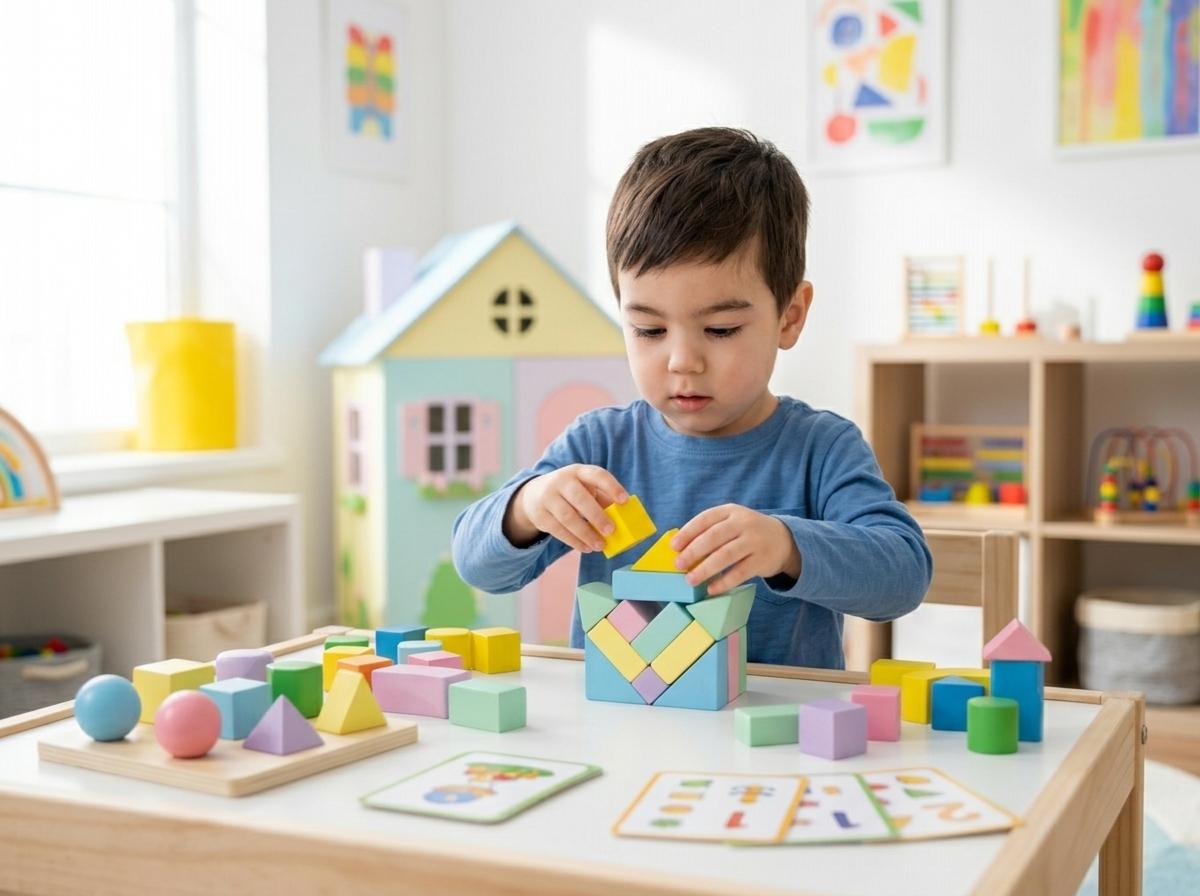
Parents and educators can foster creativity by encouraging exploration. Provide tools like rulers, measuring tapes, and colorful blocks. Let children experiment and discover patterns and solutions on their own. These experiences not only boost mathematical understanding but also inspire a lifelong love for learning.
Growth Mindset for Children
Embracing a growth mindset empowers children to believe in their potential. It encourages them to view challenges as opportunities for growth.
Building Confidence in Math
Confidence in math begins with understanding and support. When children know they can learn from mistakes, they feel more comfortable tackling complex problems. Encouragement from teachers and parents plays a crucial role in building this confidence.
At Growing IQ, we emphasize a supportive environment where mistakes are part of learning. This approach helps children develop resilience and persistence. As they gain confidence, they become more willing to take on new challenges and explore different strategies.
Problem-Solving Skills for Kids
Problem-solving is a crucial skill for children to develop. By engaging in activities that require critical thinking, children learn how to approach challenges logically. Puzzles, games, and real-world scenarios provide opportunities to practice these skills.
Encouraging children to ask questions and think aloud helps them refine their problem-solving abilities. As they discuss their reasoning, they learn to analyze situations and consider multiple perspectives. This skill set is invaluable, not just in academics but in everyday decision-making.
Personalized Learning Paths
Every child learns differently, and personalized learning paths respect these differences. By tailoring education to individual needs, we ensure that each child can thrive. Personalized learning considers a child's interests, strengths, and areas for improvement.
At Growing IQ, assessments guide the creation of personalized learning experiences. This approach allows children to progress at their own pace, ensuring they grasp foundational concepts before moving on. Personalized learning not only supports academic growth but also boosts confidence and engagement.
Filling Gaps in Traditional Education
Traditional education often misses opportunities for hands-on and personalized learning. By adopting innovative approaches, we can fill these gaps and enhance children's educational experiences.
Inquiry-Based Learning Approaches
Inquiry-based learning encourages curiosity and critical thinking. Instead of passively receiving information, children explore topics by asking questions and seeking answers. This method fosters deeper understanding and retention.
In inquiry-based learning, teachers act as facilitators, guiding students through exploration. This approach nurtures independent thinking and problem-solving skills. As children investigate and discover, they develop a sense of ownership over their learning.
Early Childhood Numeracy and Literacy
Early childhood is a critical time for developing numeracy and literacy skills. Through hands-on activities, children learn to recognize numbers and letters, laying the groundwork for future learning. Engaging children in counting games or storytime with puppets makes learning fun and effective.
Programs like Growing IQ focus on these foundational skills, ensuring children are well-prepared for school. By integrating play and exploration, we create a positive and supportive learning environment for young learners.
Project-Based Learning and STEAM Education 🌟
Project-based learning combines multiple subjects, allowing children to apply knowledge in practical ways. By working on projects, children develop a comprehensive understanding of concepts and their real-world applications. STEAM education, which includes science, technology, engineering, arts, and math, supports this integrative approach.
In project-based learning, students might design a bridge using math and engineering principles or create a musical instrument to learn about sound waves. These projects encourage creativity and collaboration, making learning engaging and meaningful.
Frequently Asked Questions
What are the benefits of hands-on learning for kids?
Hands-on learning makes education engaging and memorable by involving multiple senses. It helps children grasp complex concepts, retain information longer, and develop critical thinking and problem-solving skills.
How can I support my child's growth mindset?
Encourage your child to embrace challenges and view mistakes as learning opportunities. Offer praise for effort and persistence, and provide a supportive environment where they feel comfortable exploring new ideas.
What is inquiry-based learning?
Inquiry-based learning is an educational approach where students explore questions and problems. Teachers guide the discovery process, fostering curiosity, critical thinking, and a deeper understanding of subjects.
Comments