
How to Identify Math Learning Gaps Before They Become Bigger Struggles

Most parents spot a child struggling with math only after frustration sets in. But those early math warning signs often appear quietly, hidden in everyday moments. Catching math learning gaps before they grow gives you a chance to build confidence with personalized, hands-on strategies. In this post, you’ll find practical ways to spot these signs and connect them to growth mindset math approaches that truly support your child’s success.
Spotting Early Math Warning Signs
It's crucial to catch math difficulties early. Recognizing the signs during preschool and elementary years can prevent struggles later.
Recognizing Preschool Math Readiness
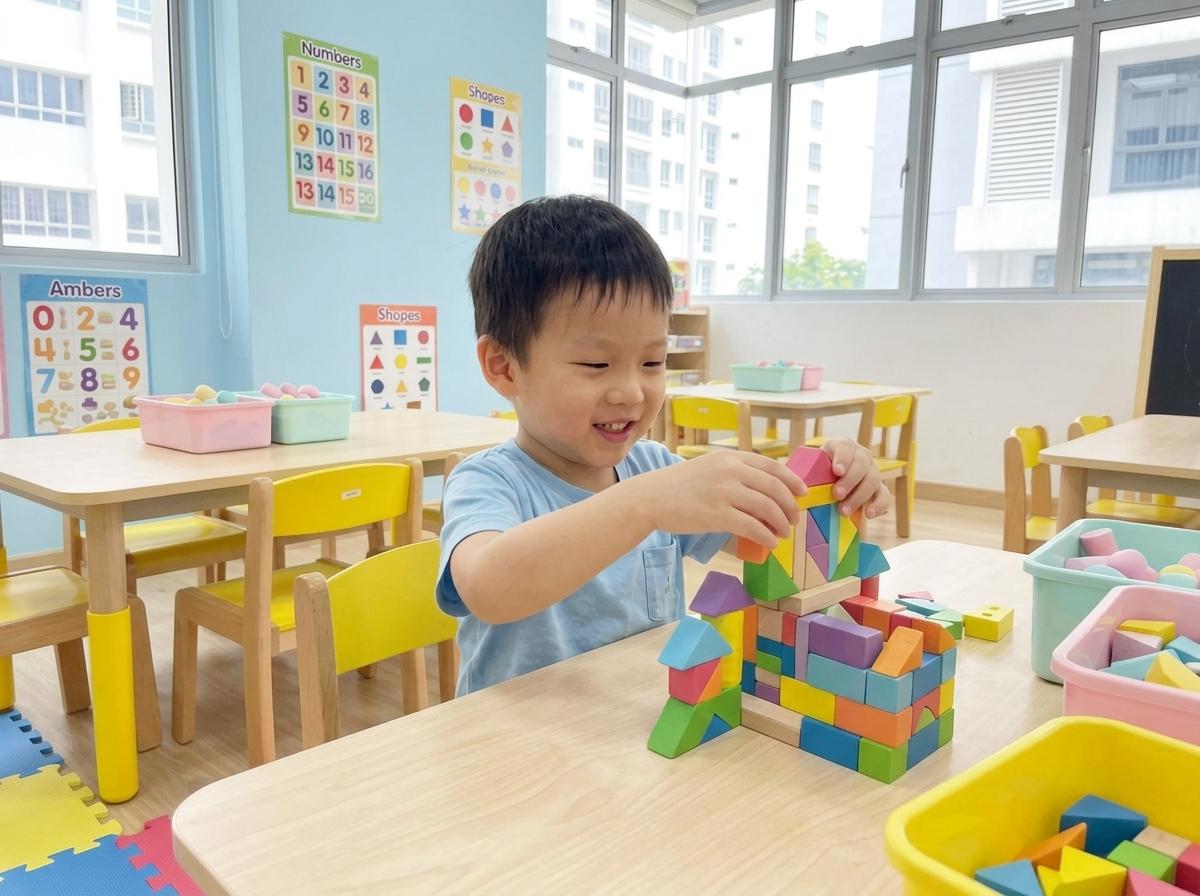
Preschoolers show readiness through curiosity about numbers and simple counting. If counting objects or recognizing shapes seems challenging for your child, it may indicate a potential gap. Encourage playful learning with blocks or puzzles. This not only makes math fun but also builds foundational skills.
Notice how your child interacts with everyday math. Do they enjoy counting their toys? Are they curious about numbers? Use these observations to support their learning journey. Encourage questions, and make number games a part of daily routines. By doing so, you help foster a love for math early on.
Identifying Elementary Math Support Needs
As kids enter elementary school, math concepts become more complex. Look for signs like frustration with homework or difficulty understanding basic operations. These can signal the need for extra support. Talk with their teacher to understand their classroom performance.
Encourage your child to express their math challenges. Sometimes, they might not understand a concept but are too shy to ask for help. Create a supportive environment at home where they feel comfortable discussing their difficulties. This not only helps identify gaps but also boosts their confidence in tackling math problems.
Strategies for Growth Mindset Math
Once you've identified the warning signs, the next step is to embrace strategies that encourage a growth mindset in math learning.
Personalized Math Instruction Approaches
Individualized learning paths can make a huge difference. Tailor lessons to your child's unique strengths and weaknesses. This approach helps them progress at their own pace, reducing anxiety around math.
Assess your child's current proficiency, not just their grade level. This ensures they receive instruction that meets their needs. Consider programs that focus on growth mindset principles. These programs emphasize understanding concepts over rote memorization, encouraging critical thinking and problem-solving skills.
Hands-On Math Learning Techniques
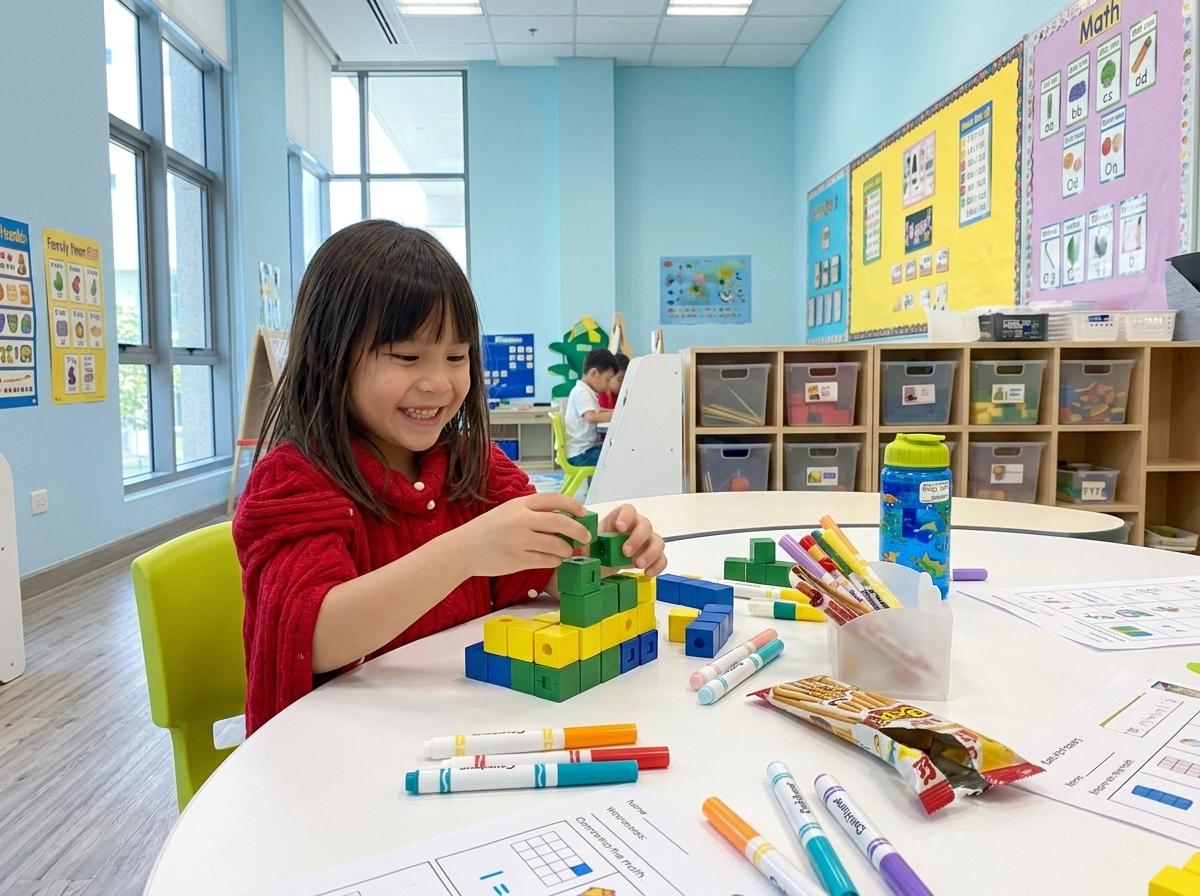
Incorporate hands-on activities to make math engaging. Use everyday objects to teach math concepts. For example, cooking can teach fractions, while building blocks can demonstrate geometry.
Engage your child with interactive math games. These can reinforce skills in a fun, non-threatening way. Hands-on learning not only makes math tangible but also boosts confidence by allowing kids to see the real-world application of math skills.
Addressing Learning Gaps and Building Confidence
Bridging learning gaps is essential for building math confidence. Focus on specific strategies that strengthen understanding and boost self-assurance.
Word Problem Strategies and Math Vocabulary
Understanding word problems is crucial for math success. Teach your child to break down problems into smaller, manageable parts. Encourage them to identify key words and phrases that signal mathematical operations.
Expand their math vocabulary through regular practice. Use real-life scenarios to explain terms. This builds a strong foundation that aids in tackling more complex math problems.
Intervention vs Enrichment for Math Confidence 🎓
Decide whether your child needs intervention or enrichment. Intervention focuses on closing gaps, while enrichment offers advanced challenges. Both can build confidence but choosing the right path depends on your child’s needs.
Consider seeking professional assessments to guide your decision. Personalized instruction can provide targeted support, ensuring your child receives the help or challenge they require. Remember, the goal is to foster a positive, confident attitude towards math.
Frequently Asked Questions
What are the early signs of math learning gaps?
Early signs include struggles with counting, recognizing shapes, and understanding basic math concepts. Pay attention to any consistent frustration or avoidance of math-related activities.
How can I support my child if they show signs of struggling with math?
Engage them in playful math activities that relate to everyday life. Focus on building a supportive environment where they feel comfortable discussing their challenges without fear.
What is a growth mindset in math?
A growth mindset in math encourages the belief that abilities can be developed through dedication and hard work. It emphasizes understanding concepts and learning from mistakes rather than fearing them.
How do hands-on activities help in learning math?
Hands-on activities make math concepts tangible and relatable. They help reinforce learning by allowing children to see and interact with math in real-world scenarios.
When should I consider professional math assessments for my child?
If your child consistently struggles with math or shows signs of frustration, a professional assessment can help identify specific needs and guide personalized instruction.
Comments