
Hands-On, Minds-On: How Tactile Learning Deepens Math and Literacy

Hands-on learning changes the way children grasp math and literacy. When kids engage with materials and ideas physically, their understanding grows beyond memorization. This approach builds strong conceptual understanding by linking movement, touch, and thought—closing gaps common in many classrooms. Let’s explore how experiential learning and a growth mindset create confident, curious learners ready to thrive in math and reading.
Benefits of Hands-On Learning
Hands-on learning brings subjects to life for kids. It engages them through touch and activity, making abstract ideas more understandable and memorable. This section explores how tactile experiences enhance learning potential.
Building Conceptual Understanding
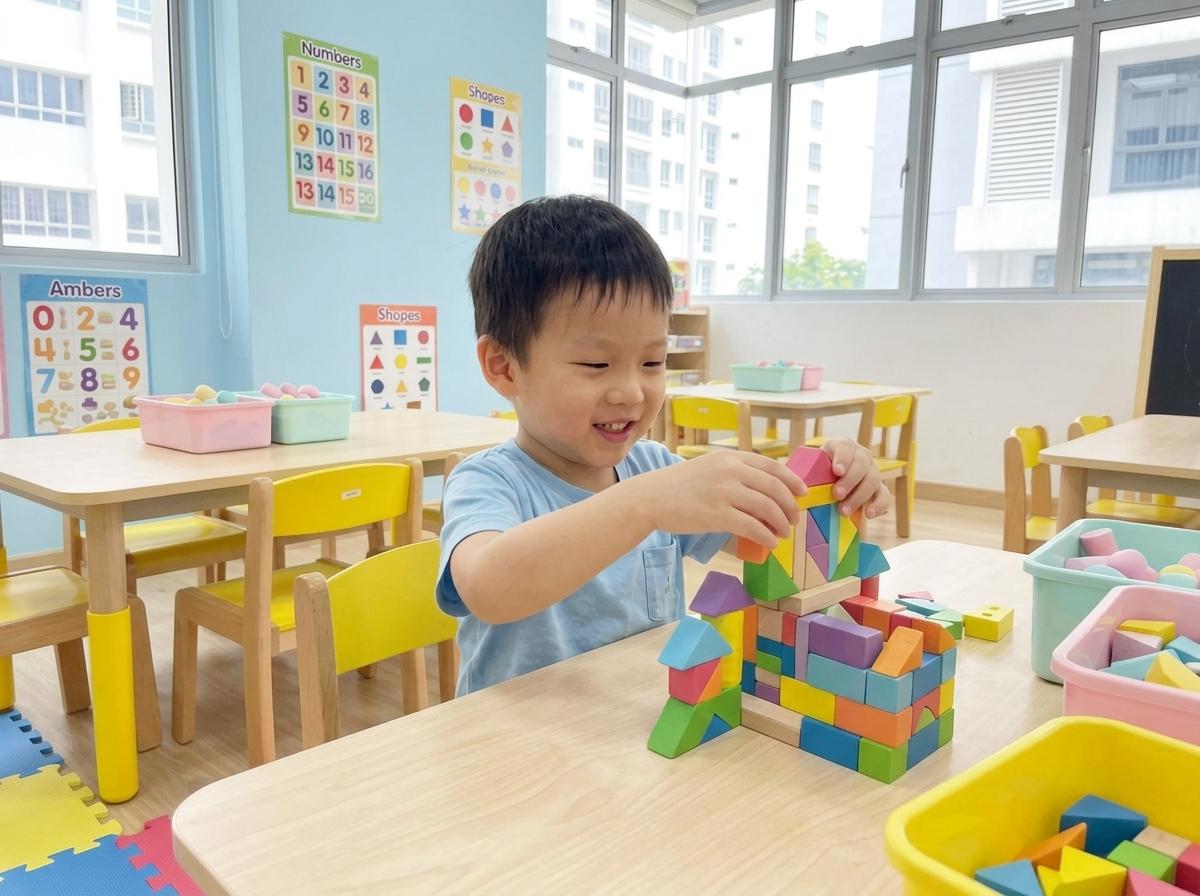
When children manipulate objects, they grasp concepts more deeply. Holding a block helps visualize numbers; touching letters makes reading tangible. This direct engagement fosters early numeracy and literacy skills. It bridges the gap often left by rote methods, ensuring kids truly understand rather than just memorize. Read more about the impact of hands-on learning here.
Enhancing Critical Thinking for Kids
Hands-on activities push kids to think critically. When they take things apart or build, they solve problems naturally. This kind of learning encourages them to ask questions, test ideas, and make decisions. By working through challenges, children develop problem-solving skills that are essential for future success. Explore more about critical thinking in learning here.
Reducing Math Anxiety
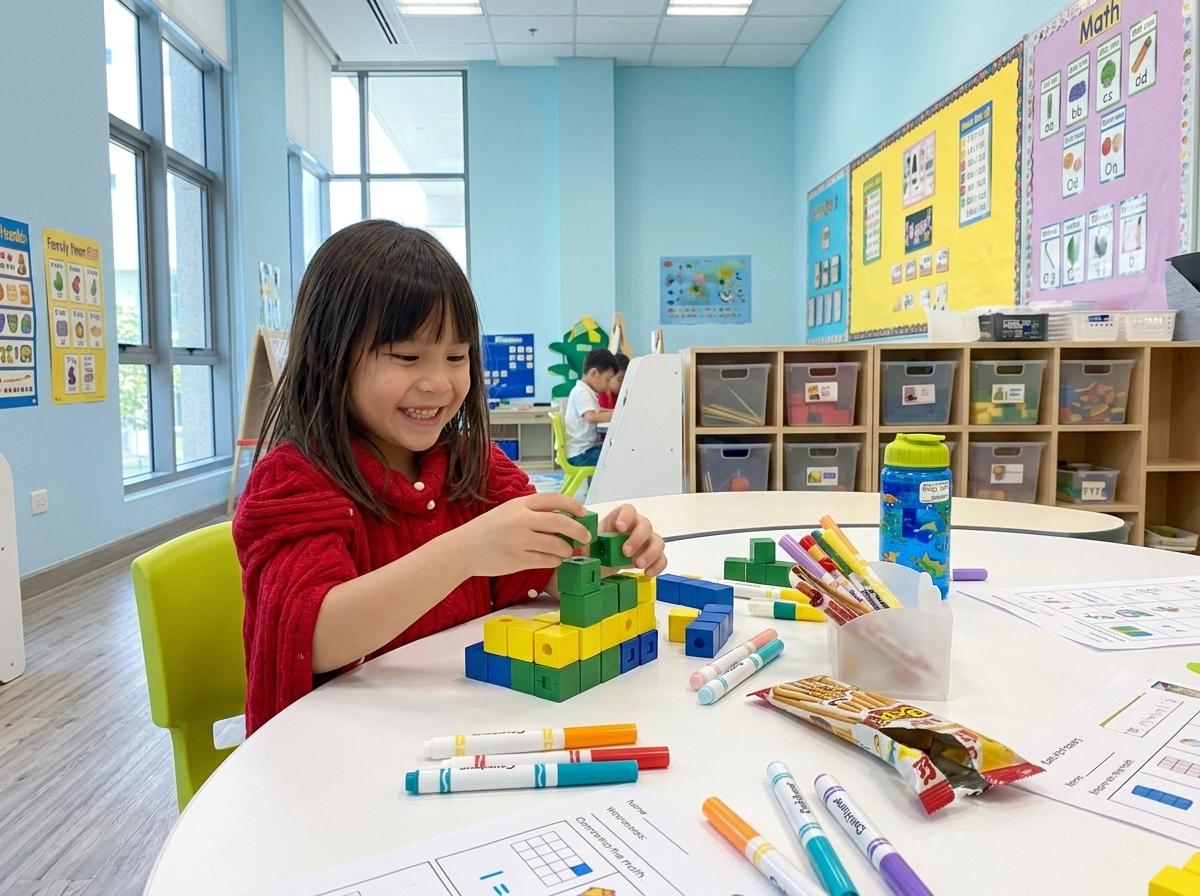
For many kids, math can be daunting. Hands-on learning turns fear into fun. Using tools like math manipulatives makes math less abstract and more engaging. This approach not only reduces anxiety but also boosts confidence, helping kids feel positive about tackling math challenges. Learn how hands-on learning can reduce anxiety here.
Growth Mindset in Education
A growth mindset transforms how students view their abilities. Instead of fearing mistakes, they see them as opportunities to learn. This mindset, combined with hands-on methods, empowers learners to grow and succeed.
Experiential Learning Strategies
Experiential learning involves active participation. Kids don't just listen; they do. Activities like project-based learning immerse them in real-world scenarios, fostering deeper understanding and retention. These methods encourage students to explore and discover, cementing knowledge through experience.
Personalized Learning Pathways
Every child learns differently. Personalized pathways cater to individual needs, ensuring that each student progresses at their own pace. This tailored approach respects their unique strengths and addresses specific challenges, promoting a sense of achievement and motivation.
Closing Learning Gaps
Traditional methods can leave gaps in understanding. Hands-on learning fills these by providing diverse experiences that reinforce concepts. By integrating differentiated instruction, educators can address varied learning styles, ensuring no child is left behind.
Integrating Math and Literacy
Combining math and literacy through hands-on learning fosters a well-rounded educational experience. This integrated approach highlights the interconnectedness of these subjects, preparing students for real-world applications.
Multisensory Math Techniques
Engaging multiple senses enhances math understanding. Techniques like kinesthetic learning involve movement and touch, building spatial reasoning and problem-solving abilities. These dynamic interactions make math concepts more accessible and enjoyable.
Literacy Enrichment Programs
Programs that enrich literacy through storytelling, games, and interactive activities boost reading comprehension strategies and phonemic awareness. By making reading a multi-sensory adventure, children develop a love for literacy that lasts a lifetime.
Creative Math Activities and STEM 🌟
Incorporating creativity into math through STEM-focused activities inspires innovation and curiosity. These experiences encourage exploration and experimentation, helping kids connect math to everyday life and future careers.
Frequently Asked Questions
Why is hands-on learning effective for children?
Hands-on learning engages children's senses and makes abstract concepts tangible. By manipulating objects and participating in activities, children understand and retain information better than through traditional methods.
How does a growth mindset benefit students?
A growth mindset encourages students to embrace challenges and see mistakes as learning opportunities. This positive outlook fosters resilience and a love for learning, empowering students to achieve their potential.
What are the advantages of integrating math and literacy?
Integrating math and literacy enhances overall cognitive development. It helps students make connections between subjects, improving comprehension and problem-solving skills. This holistic approach prepares them for diverse academic and real-world challenges.
How can hands-on learning reduce math anxiety?
By making math interactive and engaging, hands-on learning demystifies complex ideas. Using physical tools and activities, students build confidence and overcome the fear often associated with math.
What strategies support experiential learning?
Experiential learning strategies include project-based activities, real-world problem solving, and interactive simulations. These methods immerse students in learning, promoting deeper understanding and critical thinking skills.
Comments