
Hands First, Worksheets Later: How Children Build True Math Understanding

Worksheets alone cannot build real math understanding. When children start with hands-on math learning, they develop strong number sense and spatial reasoning that worksheets just can’t offer. This approach not only boosts math confidence for children but also reduces anxiety and fills the gaps left by worksheet-heavy classrooms. Let’s explore why kinesthetic learning for kids is the key step before diving into worksheets—and how it connects math with literacy for well-rounded growth.
The Power of Hands-On Math Learning
Imagine math being as fun as playtime. That's the magic of hands-on learning. It sparks curiosity and makes math feel like an adventure. Let's look at how play can build a strong math foundation.
Building Number Sense Through Play
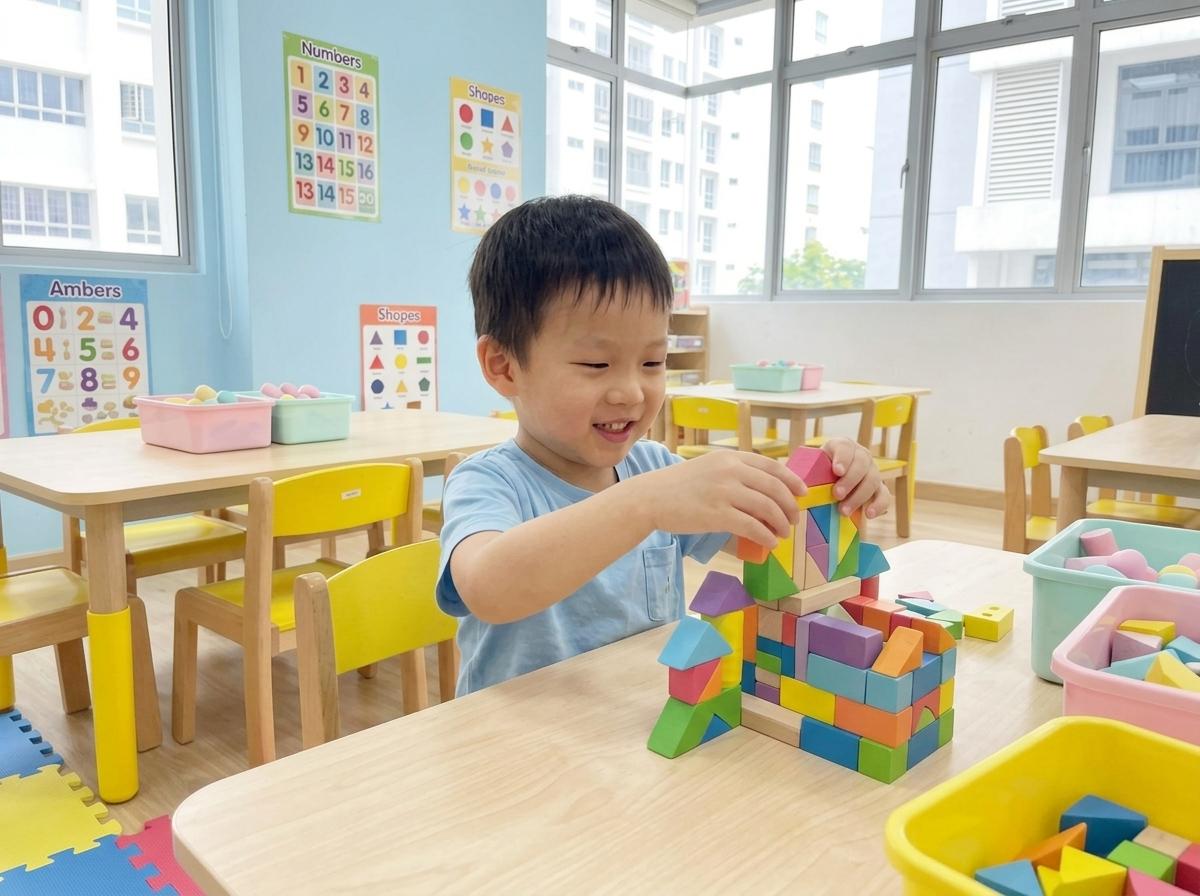
Play is more than just fun. It’s how children make sense of the world, including numbers. Picture a child stacking blocks or grouping toys by color. These activities help them grasp basic math concepts naturally.
Through playful interactions, kids learn to recognize patterns and relationships between numbers. This early exploration lays the groundwork for more complex math skills. It turns abstract numbers into something they can see and touch, making math less intimidating.
Math Manipulatives: Tools for Understanding
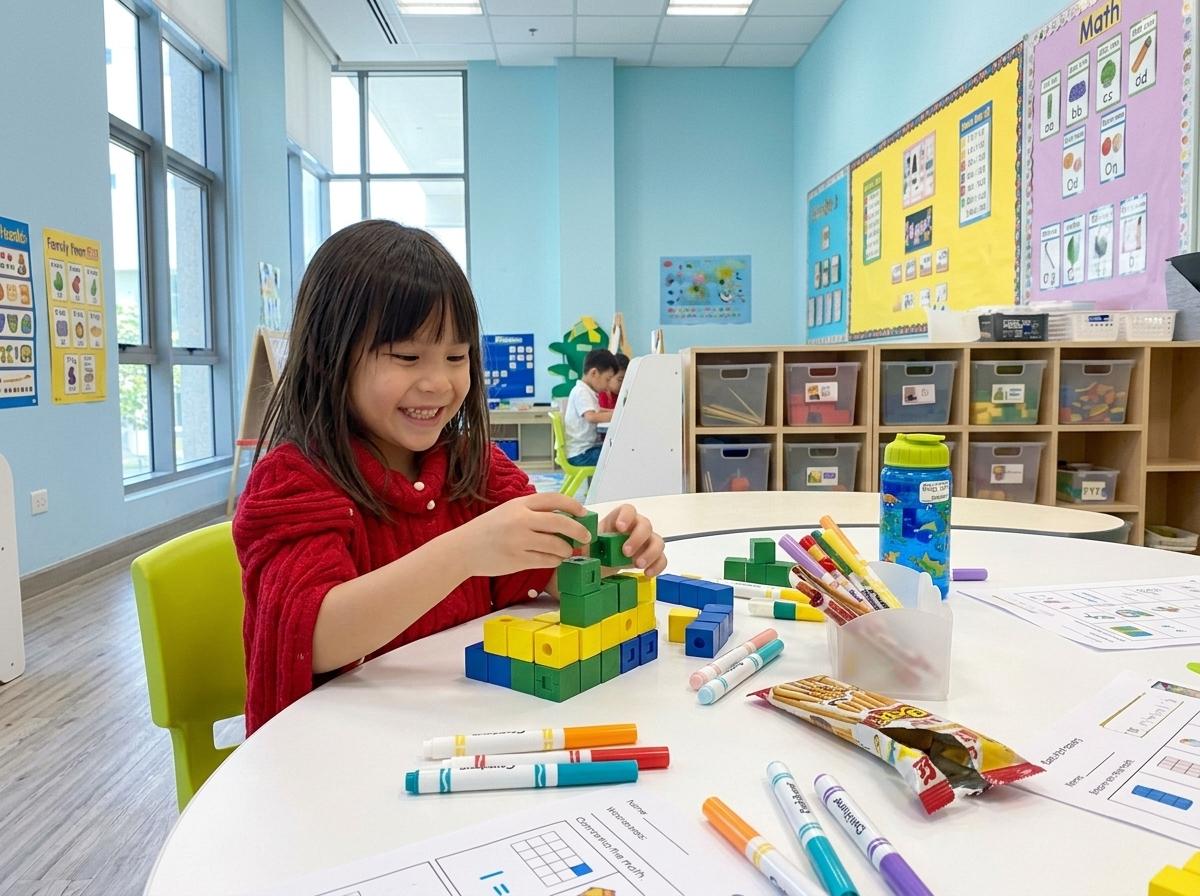
Math manipulatives are like magic wands for understanding. These tools, such as counting beads and shape blocks, help kids visualize problems. By handling these objects, children can experiment and discover solutions on their own.
These tools encourage problem-solving and critical thinking. For instance, using blocks to understand fractions makes the concept tangible. As kids manipulate the shapes, they see how parts make a whole, building a deeper understanding of fractions.
Kinesthetic Learning for Kids
Do you remember learning better when moving around? Kids are the same. Kinesthetic learning means they use their bodies to learn. Activities like jump rope counting or dancing to math songs blend movement with learning.
Movement-based learning not only keeps kids engaged but also enhances memory. When children associate math with physical action, they remember concepts more easily. This approach nurtures a love for math, making it an exciting subject rather than a chore.
Bridging the Gap in Math Education
Hands-on learning isn't just about fun. It's a powerful tool to fill gaps in traditional math education. Many children struggle with math anxiety and a lack of confidence. Here's how to bridge that gap.
Overcoming Math Anxiety in Children
Math anxiety can feel overwhelming. It stops children from enjoying math and believing in their abilities. But when math is learned through play and interaction, it becomes less daunting.
Hands-on methods offer a safe space to make mistakes and learn from them. Kids discover that errors are just stepping stones to understanding. This shift in perspective reduces anxiety and builds confidence.
Encouraging Growth Mindset in Math
A growth mindset makes a world of difference. It's the belief that abilities can be developed through dedication. In math, it turns challenges into opportunities for growth.
When children see math as a journey, not a test, their confidence soars. They understand that struggling with a problem is part of learning. This mindset encourages them to tackle math with enthusiasm and persistence.
Conceptual Understanding Before Worksheets
Before diving into worksheets, children need a solid understanding of concepts. Worksheets can reinforce what's learned, but they can't teach from scratch.
Hands-on experiences provide the context for learning. When children play with ideas and see them in action, they build a strong conceptual understanding. This foundation makes worksheets a tool for practice, not the primary teaching method.
Connecting Math and Literacy
Math and literacy might seem worlds apart, but they're closely linked. Both require creative thinking and problem-solving skills. Let's explore how they connect.
Creative Math Activities and Literacy Skills
Creative math activities can boost literacy skills. For example, storytelling with numbers helps children understand narratives and sequence. It encourages them to describe what they see and explain their reasoning.
Activities that combine math and literacy engage both sides of the brain. They help children see math as a language, filled with stories and patterns, enhancing their overall learning experience.
Problem-Solving for Kids: A Dual Approach
Problem-solving is at the heart of both math and literacy. When children tackle problems in math, they learn to think critically and analytically. These skills are transferable to literacy, where they decode texts and infer meanings.
By encouraging children to solve problems creatively, we prepare them for diverse challenges. They learn to approach tasks with an open mind, ready to explore different solutions.
STEM and Literacy: A Balanced Education
A balanced education blends STEM (Science, Technology, Engineering, Math) with literacy. This approach nurtures well-rounded thinkers who can communicate their ideas effectively.
When math is taught alongside literacy, students gain a comprehensive skill set. They learn to express mathematical ideas clearly and see connections across subjects. This holistic education prepares them for a future where diverse skills are essential.
Frequently Asked Questions
What is hands-on math learning?
Hands-on math learning involves using physical objects and activities to teach math concepts. It engages children in interactive experiences, making math tangible and easier to understand.
How does kinesthetic learning benefit math education?
Kinesthetic learning uses movement to reinforce math concepts. It keeps children engaged and helps them remember what they've learned. By combining physical activity with math, students develop stronger memory and comprehension.
Why is a growth mindset important in math?
A growth mindset encourages students to view math challenges as opportunities for growth. It helps them embrace mistakes and learn from them, boosting confidence and fostering a love for learning.
How can math activities enhance literacy skills?
Math activities that involve storytelling and creative problem-solving enhance literacy skills. They encourage children to describe their thinking and understand narratives, bridging math and language learning.
What role does STEM play in a balanced education?
STEM education, when combined with literacy, creates a balanced approach to learning. It equips students with critical thinking, problem-solving, and communication skills necessary for success in diverse fields.
Comments