
From Sounds to Sense-Making: How Early Reading and Phonics Ignite Critical Thinking

Early literacy is more than just learning to read; it’s the first step toward building sharp critical thinking skills. When children master phonics and decoding skills early on, they lay down the mental groundwork for problem solving and math success. At Growing IQ’s Literacy Lab, we combine multisensory learning with personalized paths to help your child connect sounds to meaning and logic. Ready to see curiosity turn into confidence? Learn more about the role of phonics in developing strong reading skills.
Early Literacy Foundations
Importance of Early Literacy
Early literacy sets the stage for your child's future success. It's not just about reading words; it's about understanding the world. When kids engage with books early, they're better equipped to tackle life's challenges. By nurturing these skills now, you're giving them a head start.
Phonemic Awareness and Decoding Skills
Phonemic awareness is like a secret weapon for young readers. It helps them break down words into sounds, making reading smoother. Imagine your child approaching a new word with confidence, ready to decode it. This skill doesn't just boost reading; it's a foundation for learning across subjects. As they decode words, they also strengthen their problem-solving abilities. This is why phonics is key in early education. Find out how phonics instruction impacts reading development.
Building Reading Comprehension
Reading comprehension is more than understanding words; it's grasping ideas. When children comprehend texts, they connect ideas to their own experiences. This connection builds critical thinking. By weaving reading into everyday life, you're helping them develop a deeper understanding of their world. It's about seeing the bigger picture and asking questions, skills that are vital for success. Most people think reading is just about books, but it's a gateway to lifelong learning.
Phonics and Critical Thinking
Phonics as a Cognitive Tool
Phonics isn't just about reading; it's a tool for the mind. When children learn phonics, they're training their brains to recognize patterns. This pattern recognition is crucial for critical thinking. It enhances their ability to analyze and interpret information. By incorporating phonics into learning, you're giving your child the tools to think critically. Explore more about phonics and its role in reading.
Linking Sounds to Problem Solving
Connecting sounds to words is like solving a puzzle. Each sound is a piece that fits together to form a complete picture. This process strengthens problem-solving skills. As children learn to link sounds to meaning, they become adept at tackling challenges. It's about turning sounds into sense, a skill that extends beyond reading into every aspect of life.
Fostering a Growth Mindset
A growth mindset is the belief that abilities can be developed through dedication and hard work. Phonics fosters this mindset by showing that learning is a journey. When children see progress in their reading skills, they're motivated to tackle new challenges. This mindset encourages resilience and adaptability, vital traits in our ever-changing world.
Multisensory Learning Approaches
Hands-on Learning Benefits
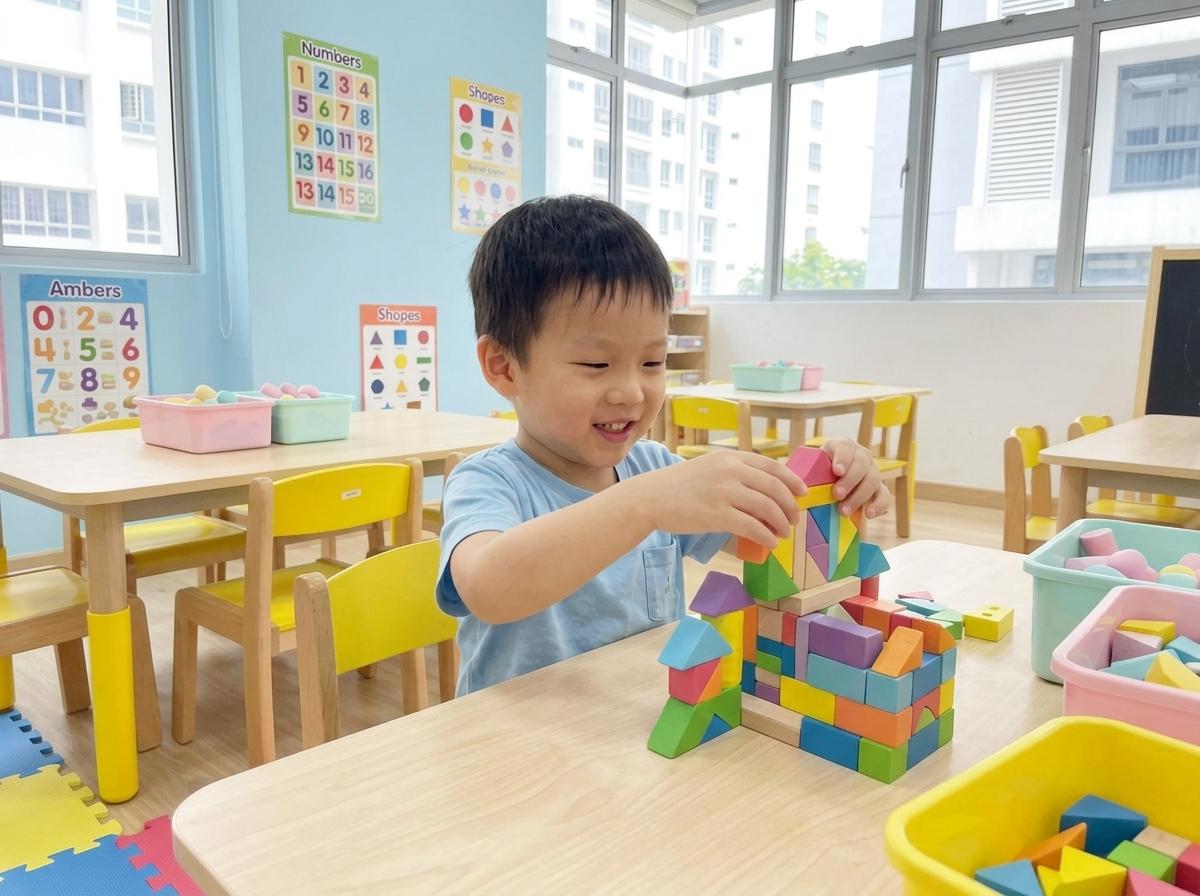
Hands-on learning engages all the senses, making education more effective. When children touch, see, and hear, they're more likely to retain information. This approach turns abstract concepts into tangible experiences. It's about making learning fun and memorable. By fostering an interactive environment, you're helping them develop a lifelong love for learning.
Creative Math and Reading Connection
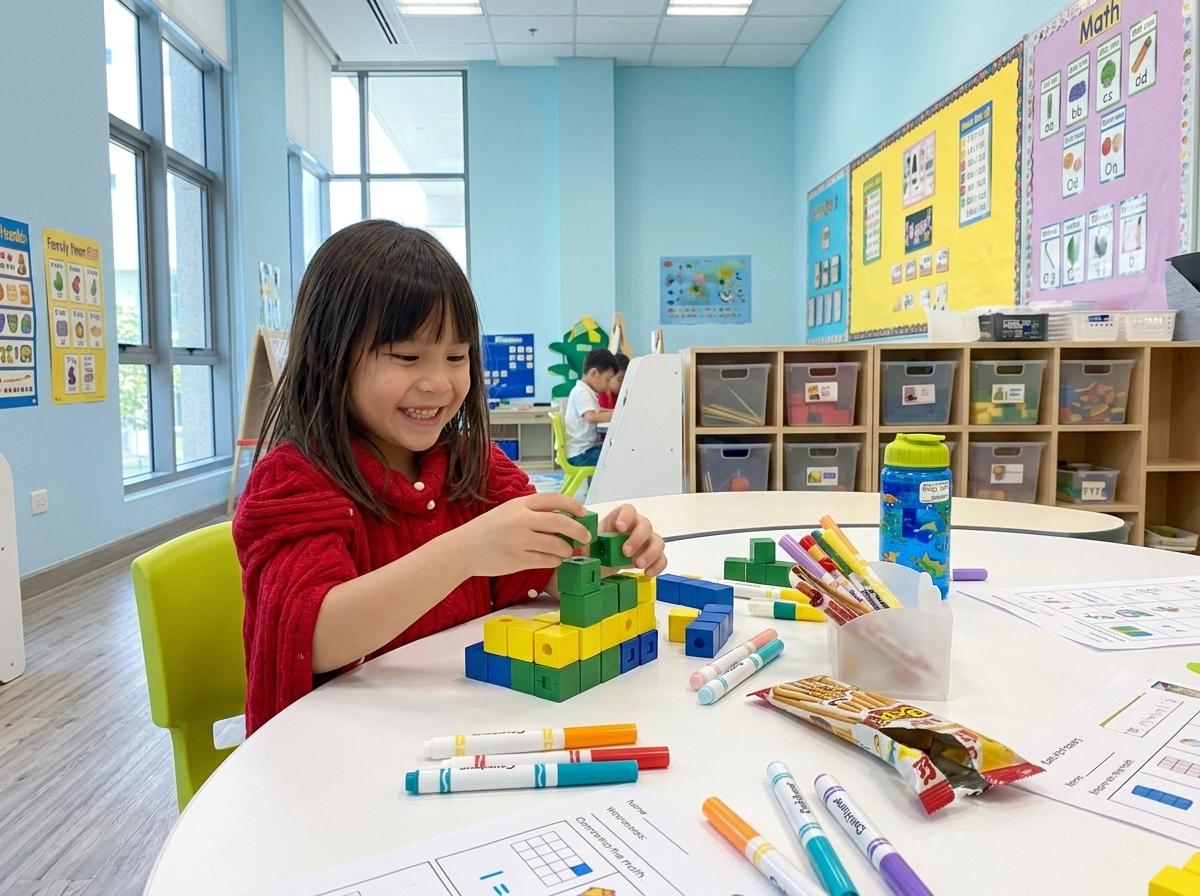
Math and reading might seem worlds apart, but they're closely linked. Both require problem-solving and critical thinking. By integrating creative approaches, like storytelling in math, you're enhancing their understanding. It's about making connections and seeing the bigger picture. This combined approach prepares them for complex challenges ahead.
Personalized Learning Paths 🌟
Every child is unique, and their learning journey should reflect that. Personalized learning paths cater to individual strengths and needs. By tailoring education, you're ensuring that each child reaches their full potential. This approach builds confidence and fosters a love for learning. It's about celebrating their strengths and helping them overcome challenges. Join the conversation on education and its future.
The longer you wait to engage your child in early literacy, the more opportunities for growth they might miss. By investing in their education now, you're paving the way for a bright future.

Comments