
From Memorization to Mastery: Why Concept-Based Math Builds Lasting Confidence

Most math programs push kids to memorize facts without understanding. That leads to frustration and math anxiety that sticks around. Concept-based math takes a different path: it builds real understanding and math confidence for children by focusing on hands-on learning and critical thinking. In this post, you’ll see how this approach turns anxiety into lasting mastery and why it works for kids ages 2.5 to 14. For more insights on building math confidence, check out this article: https://www.prodigygame.com/main-en/blog/building-math-confidence.
Concept-Based Math for Confidence
Building Math Confidence for Children
Imagine your child facing math problems with a smile. It's possible by focusing on understanding rather than memorization. Children gain a deep grasp of concepts, making math less daunting. They learn to see math as a friend, not a foe. This approach nurtures curiosity and encourages questions. With every question asked and answered, confidence grows. They realize math is not just about numbers; it's about discovering how things work.
By engaging with math in a meaningful way, children start to connect the dots themselves. They become explorers in the world of numbers, eager to dive deeper. At Oxford Learning, experts agree: understanding boosts confidence more than repetitive practice. When kids understand the 'why' behind math, they feel empowered. Over time, this confidence spills into other areas of life, equipping them with a problem-solving mindset.
From Math Anxiety to Confidence
Math anxiety is common, but it doesn't have to be a lifelong struggle. By focusing on understanding, children can overcome their fears. Instead of feeling overwhelmed, they start to see math as a puzzle. With each small victory, their confidence builds. They learn to enjoy the journey, celebrating each discovery along the way. As a result, their anxiety fades, replaced by a genuine interest in math.
Most people think math is about memorization, but it's much more. It's about creativity, logic, and finding solutions. By helping kids see math in this way, we give them tools to succeed. According to MindBridge Math, building confidence in math can boost grades faster than practice alone. This new perspective turns fear into excitement, setting the stage for lifelong learning.
Hands-On Math Learning Benefits
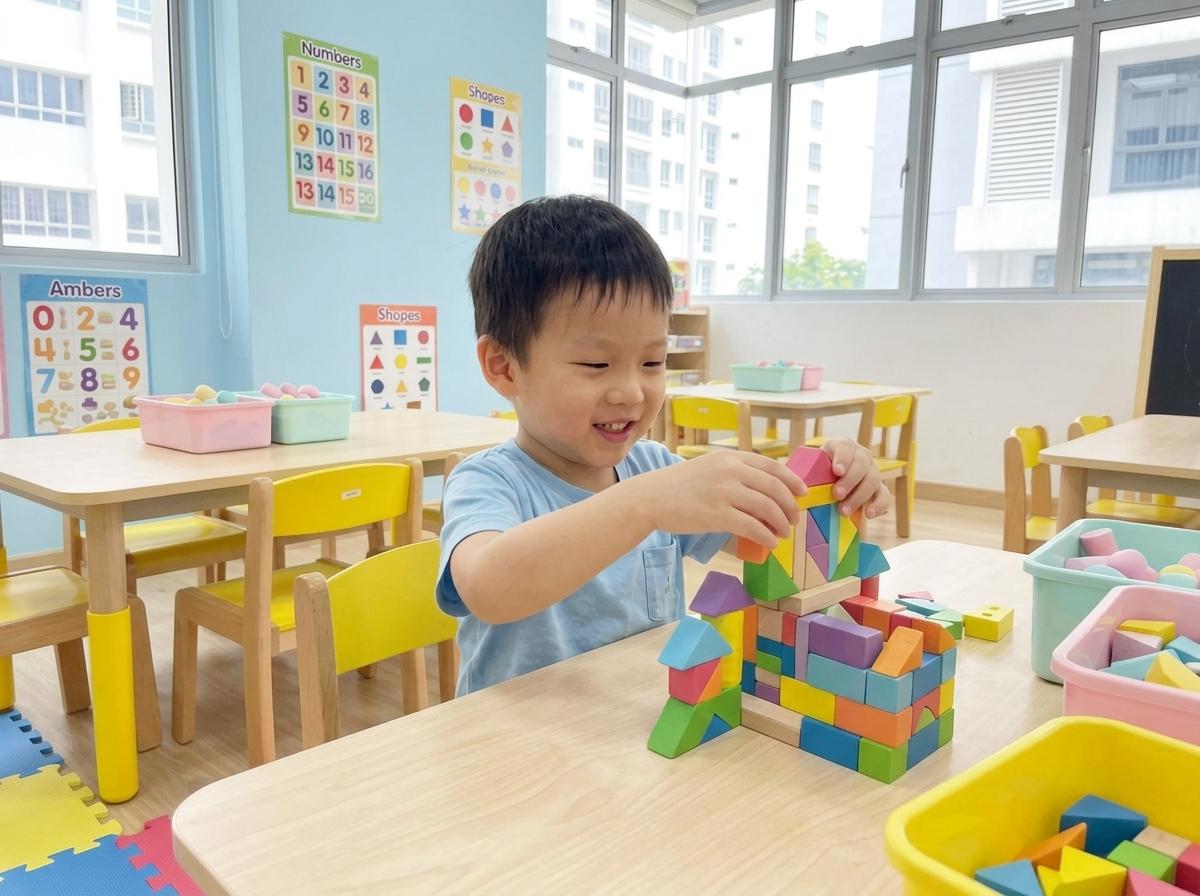
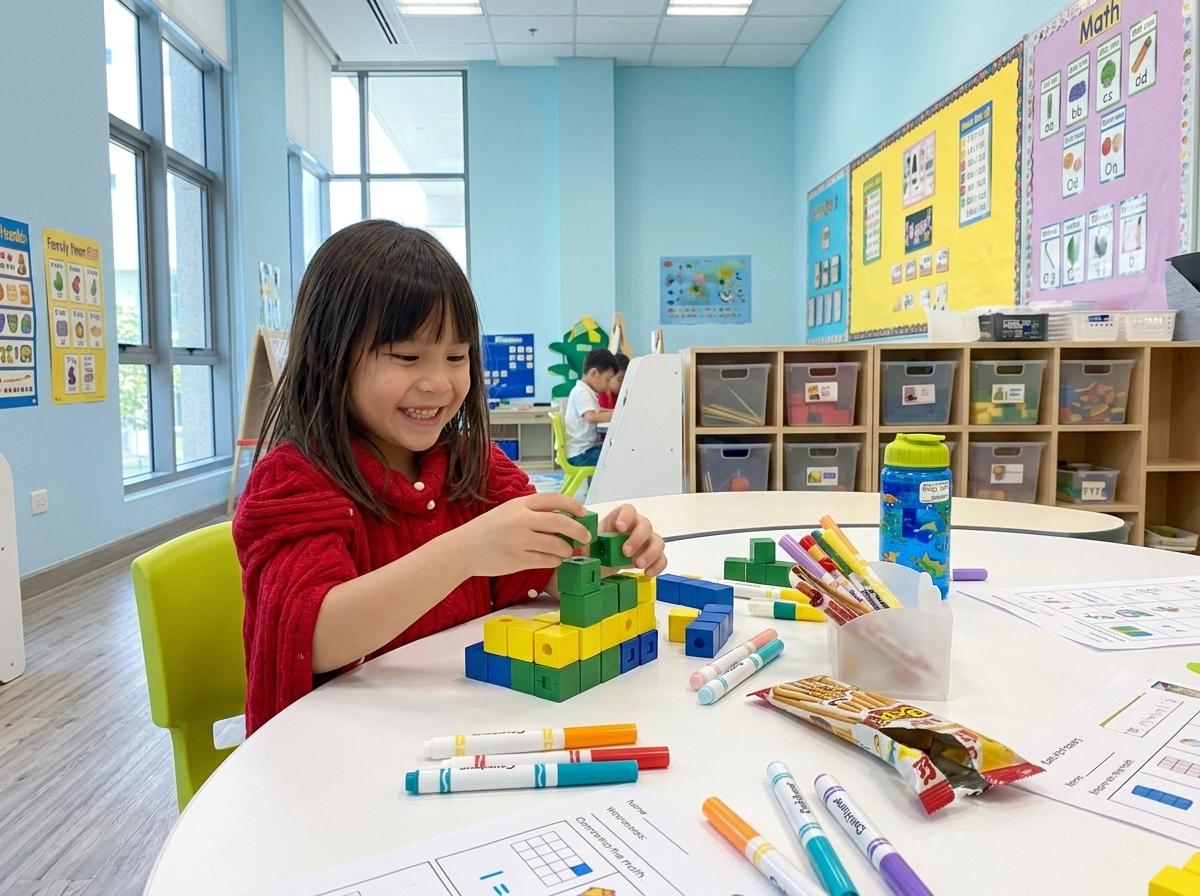
Hands-on learning is a game-changer. By using real-world objects, children understand math concepts better. They move from abstract ideas to tangible experiences. This approach makes math more relatable and less intimidating. Kids see how math applies to everyday life, making it relevant and interesting.
Using hands-on methods, children engage all their senses. This multi-sensory approach reinforces learning and retention. When they touch, see, and manipulate objects, concepts stick. This not only builds understanding but also boosts confidence. As children see their progress, they feel proud of their achievements, motivating them to tackle more challenging problems.
Growth Mindset Math Approaches
Transitioning from understanding to application, we explore how a growth mindset enhances math learning. It's about embracing challenges and viewing mistakes as opportunities.
Creative Math Program Elements
A creative math program goes beyond worksheets. It incorporates art, stories, and games to make learning fun. Children explore math through different mediums, sparking creativity and interest. This variety keeps them engaged, allowing them to learn in diverse ways. The result: a rich, dynamic learning experience that fosters a love for math.
According to Bhanzu, concept-based learning helps middle schoolers excel by encouraging them to think critically. By challenging their assumptions, we inspire them to ask questions. This approach, combined with creativity, nurtures a growth mindset. Kids learn that persistence pays off, building resilience and confidence.
Problem-Solving Skills for Kids
Learning math is more than just numbers. It's about developing problem-solving skills that apply to all areas of life. Kids learn to approach problems methodically, breaking them down into manageable parts. They become adept at finding solutions, a skill that extends beyond math class.
With each problem solved, confidence grows. Children realize they can tackle anything with the right tools and mindset. This empowerment fuels their curiosity, driving them to explore further. Math becomes a playground for their minds, where they can test ideas and learn from mistakes.
Personalized Math Assessment
Every child learns differently, and that's a strength. A personalized math assessment identifies each child's unique needs and strengths. By understanding these, we tailor learning experiences to suit them. This ensures they stay engaged and challenged without feeling overwhelmed.
A personalized approach means kids progress at their own pace. They feel supported, knowing they have a learning path designed just for them. This leads to greater confidence and success in math. As they achieve milestones, their self-esteem grows, motivating them to reach even higher.
Experiential Math Education Programs
Let's dive into the world of experiential math education. This approach makes math an adventure, blending different learning styles for maximum impact.
Math Music Motion and Rhythm
Imagine learning math through music and movement. This program combines rhythm with numbers, making math lively and engaging. Children learn to associate beats with patterns, enhancing their understanding. This blend of music and math opens new avenues for learning.
By linking music with math, kids develop a sense of timing and rhythm. These skills translate into better coordination and pattern recognition. They discover that math is not just a subject but an experience. This innovative approach keeps them eager to learn more, fueling their passion for math.
Kindergarten Readiness Math
Preparing for kindergarten is an important step. Our program ensures kids are ready to embrace math with confidence. Through fun activities and games, they learn basic concepts in an enjoyable way. This foundation sets the stage for future success, equipping them with essential skills.
Children learn to count, recognize shapes, and understand patterns. These skills are crucial for their academic journey. As they master these basics, their confidence soars. They feel prepared and excited to start school, knowing they have the tools they need to succeed.
Critical Thinking for Kids
Critical thinking is a vital skill in today's world. By fostering this in math, we prepare children for future challenges. They learn to analyze information, make connections, and solve problems creatively. This goes beyond math, helping them in all areas of life.
As children engage in critical thinking, they become more independent. They trust their abilities to reason and decide. This confidence extends to other subjects, making them well-rounded learners. With a strong foundation in critical thinking, they are ready to tackle anything life throws their way.
Comments