
From “I Can’t” to “I Can Learn”: How Growth Mindset Builds Stronger Math and Literacy Skills

Most kids hear “I can’t” in math and reading long before they say “I can learn.” This mindset gap often leaves families frustrated and schools scrambling for solutions. What if shifting that belief could boost your child’s math confidence and early literacy skills with clear, measurable results? Let’s explore how a growth mindset for kids offers a fresh alternative to rote memorization and helps close learning gaps that traditional programs often miss.
Building Math Confidence
Shifting to a growth mindset opens a world of opportunity for young learners, focusing on their potential rather than limitations.
Growth Mindset for Kids
A growth mindset encourages children to see challenges as opportunities for growth. It’s about believing that abilities can improve with effort and perseverance. Imagine your child tackling a tricky math problem, and instead of giving up, they think, "I might not get this yet, but I will." This mindset fosters resilience and persistence. When kids adopt this outlook, they become more willing to try new approaches and learn from mistakes. This shift in thought encourages them to take on more complex tasks, boosting their confidence and enjoyment in learning. A study highlighted on Michigan Virtual shows that students with a growth mindset tend to perform better in math over time.
Hands-On Math Learning Techniques
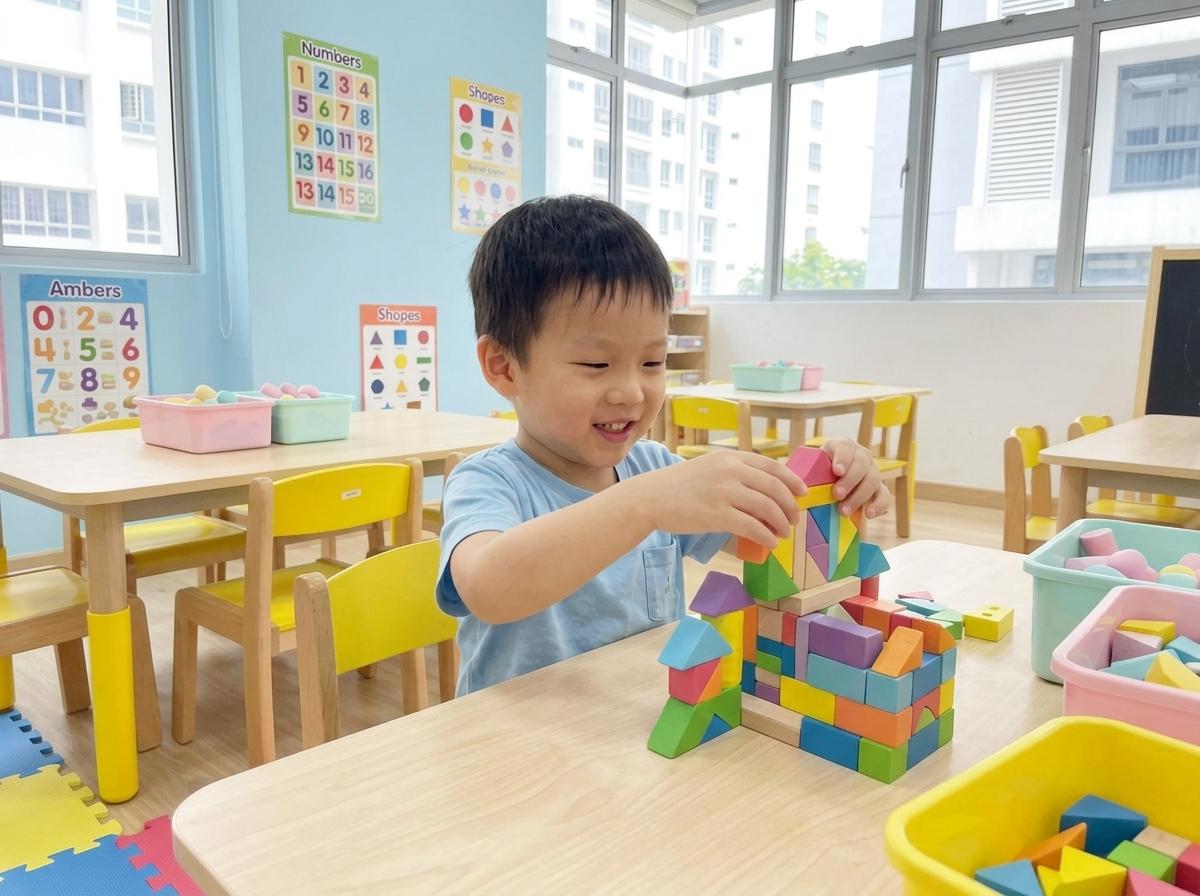
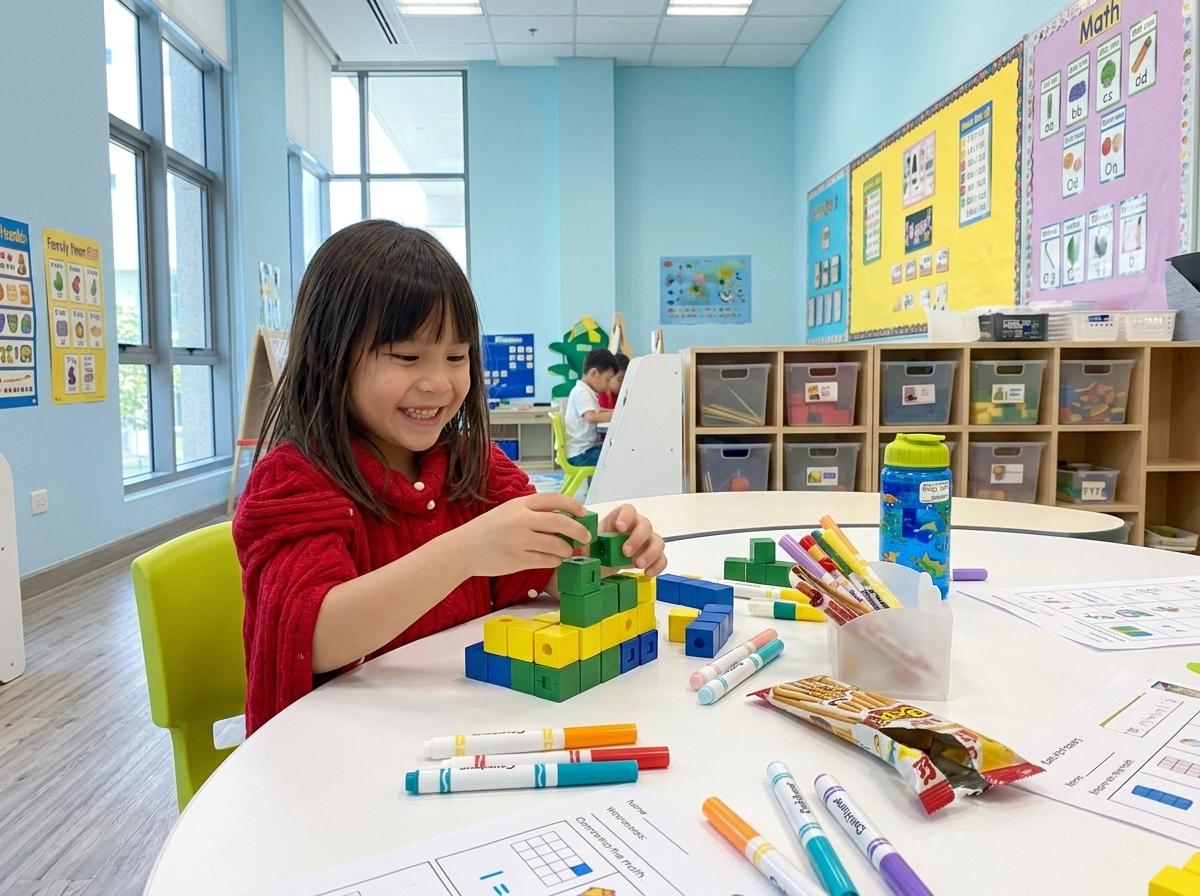
Engaging children in hands-on learning can transform how they perceive math. When math becomes an interactive experience, it shifts from being abstract to tangible. Picture your child using blocks to understand fractions or drawing graphs with real-life data. These techniques make math relatable and fun. They also cater to different learning styles, ensuring every child can grasp concepts in their own way. Hands-on activities spark curiosity and encourage exploration. They provide a safe space for mistakes and learning, transforming the math journey into an exciting adventure rather than a daunting task.
Creative Math Program Benefits
Creative math programs stand out by integrating play and imagination into learning. Programs like Growing IQ use music and motion to teach mathematical concepts, making learning both joyful and effective. These programs not only teach math content but also develop critical thinking and problem-solving skills. In a creative environment, children learn to approach problems from multiple angles, enhancing their ability to think critically. This method nurtures a love for learning and helps children see math as an integral part of the world around them. By embracing creativity, children build a solid foundation that supports academic growth.
Strengthening Early Literacy Skills
Building math confidence goes hand in hand with enhancing literacy skills, creating a well-rounded learning experience for children.
Phonemic Awareness and Number Sense
Phonemic awareness is crucial for developing reading skills, just as number sense is vital for math. When children understand the sounds that letters make, they can decode words more effectively, leading to better reading fluency. Similarly, a strong number sense lays the groundwork for advanced math skills. Activities like rhyming games and counting exercises help children strengthen these foundational skills. By integrating phonemic awareness with number sense, children develop a comprehensive understanding that supports both literacy and math. This dual focus ensures children are prepared for more complex learning as they progress.
Reading Comprehension Strategies
Reading comprehension is more than just understanding words; it’s about grasping meaning and context. Effective strategies include asking questions, summarizing passages, and making predictions. These techniques encourage children to think critically about what they read, enhancing their understanding and retention. As children become more proficient in reading comprehension, they can transfer these skills to problem-solving in math. The ability to understand complex instructions and solve problems logically is crucial in both subjects, making reading comprehension a vital skill for academic success.
Kindergarten Readiness Essentials
Preparing for kindergarten involves more than just academics; it includes social and emotional readiness too. Skills like listening, sharing, and following instructions are essential for a smooth transition. Encouraging play-based learning helps children develop these skills in a supportive environment. Through activities like storytelling and group games, children learn to communicate effectively and work collaboratively. This holistic approach ensures children are ready for the challenges of kindergarten and beyond, setting the stage for lifelong learning.
Filling Educational Gaps
Despite efforts, traditional education often leaves gaps in learning. Addressing these gaps requires a targeted approach.
Public and Private School Supplement
Supplementing traditional education with additional resources can bridge learning gaps. Whether your child is in public or private school, extra support tailored to their needs can make a significant difference. Programs that offer personalized instruction cater to individual learning styles and pace, ensuring no child is left behind. This approach provides the flexibility and focus needed to tackle areas where traditional methods may fall short. By supplementing school education, children receive a well-rounded experience that supports their overall growth.
Evidence-Based Instruction for Children
Using evidence-based instruction ensures that teaching methods are effective and reliable. This approach relies on research and data to inform educational practices, ensuring that children receive the best possible instruction. Programs that incorporate evidence-based methods are more likely to produce successful outcomes, as they are grounded in proven strategies. By focusing on what works, these programs can effectively address learning gaps and support children in reaching their full potential.
Personalized Learning Paths and Assessments
Every child learns differently, and personalized learning paths take these differences into account. By assessing each child's abilities and tailoring instruction to meet their needs, personalized learning paths offer a customized educational experience. This approach allows children to progress at their own pace, ensuring they fully understand each concept before moving on. Regular assessments provide valuable feedback, helping educators and parents make informed decisions about a child's education. This personalized approach not only fills learning gaps but also promotes confidence and engagement in learning.
Frequently Asked Questions
What is a growth mindset, and why is it important for kids?
A growth mindset is the belief that abilities and intelligence can improve with effort and learning. It's important for kids because it encourages them to embrace challenges, learn from mistakes, and develop resilience, leading to greater academic and personal success.
How do hands-on math learning techniques help children?
Hands-on math learning techniques help children by making abstract concepts tangible and relatable. They engage different learning styles, allow for exploration and discovery, and make math fun, all of which enhance understanding and retention.
What are the benefits of creative math programs?
Creative math programs integrate play and creativity into learning, making math enjoyable and engaging. They foster critical thinking and problem-solving skills, encourage multiple approaches to problems, and build a solid foundation for academic growth.
How can parents help strengthen their child's early literacy skills?
Parents can strengthen their child's early literacy skills by engaging in activities that develop phonemic awareness and number sense, such as rhyming games and counting exercises. Encouraging reading comprehension through questioning and summarizing also supports literacy development.
What role does personalized learning play in filling educational gaps?
Personalized learning plays a crucial role in filling educational gaps by tailoring instruction to each child's unique needs and abilities. This approach ensures that children receive targeted support, progress at their own pace, and achieve their full potential.
Comments