
From Hands to Head: Why Hands‑On Learning Builds Real Understanding in Math and Literacy

Hands-on learning is not just a fun activity—it’s the key to real understanding in math and literacy. Many children struggle with concepts because traditional methods rely too much on memorization and worksheets. When kids engage with manipulatives in math or explore stories through interactive literacy, they build confidence and critical thinking skills that stick. Let’s explore how experiential math and structured literacy open doors to deeper learning and a true growth mindset for kids. For more insights into the benefits of hands-on learning, you can check out this article.
The Power of Hands-On Learning
Hands-on learning transforms abstract concepts into tangible understanding, making it crucial for children's educational development. By actively engaging in their learning process, children can grasp complex ideas more effectively.
Building Real Understanding in Children
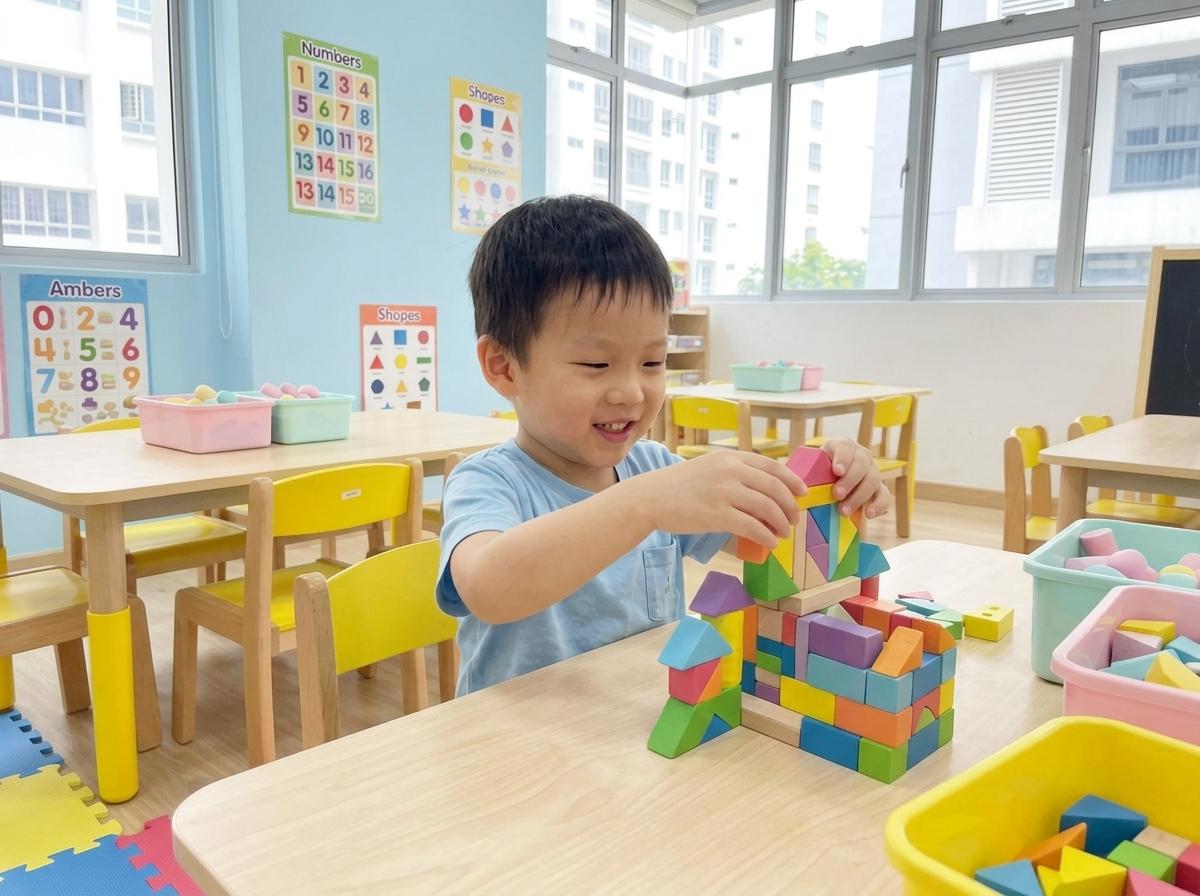
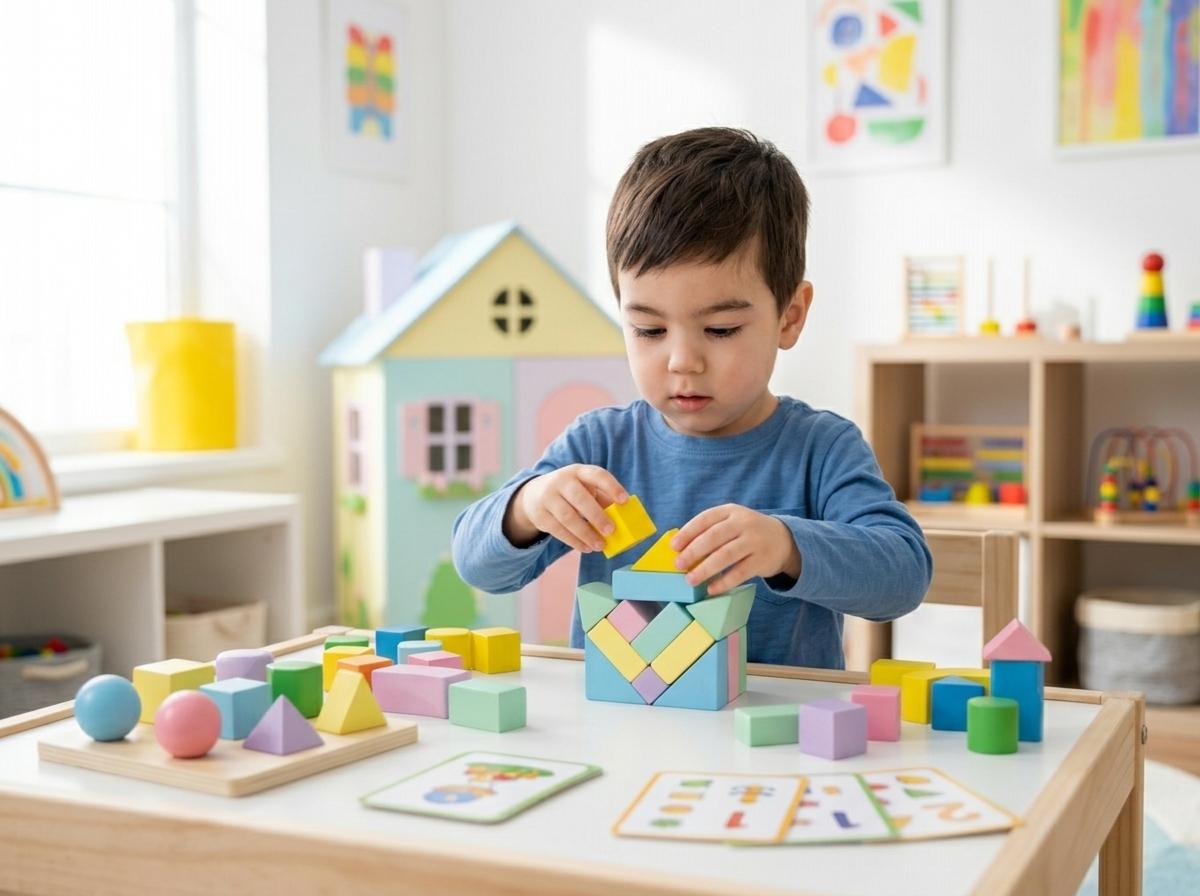
Children learn best by doing. When they manipulate objects or engage in activities that require them to think creatively, they build a stronger foundation for understanding. This approach not only aids in retention but also makes learning enjoyable. Imagine children piecing together a math puzzle, each piece representing a different concept. As they connect these pieces, they begin to see the bigger picture and understand how each element fits into the whole. This kind of learning experience creates a lasting impact.
Experiential Math and Literacy Approaches
Experiential approaches in math and literacy break free from traditional rote learning. In math, using tools like blocks or counters helps children visualize problems and solutions. In literacy, interactive storytelling allows children to immerse themselves in narratives, enhancing comprehension and vocabulary. This method encourages active participation, leading to deeper understanding. By engaging their senses, children can connect more personally with the material, making it relevant and memorable.
Filling Skill Gaps Effectively
Gaps in learning often arise when children are not fully engaged or when teaching methods do not align with their learning styles. Hands-on approaches address these gaps by offering multiple ways to explore a topic. For instance, a child struggling with fractions might benefit from using a pizza game to understand how parts make up a whole. This method provides instant feedback and allows children to self-correct, reinforcing their learning.
Cultivating a Growth Mindset for Kids
Developing a growth mindset in children is essential for fostering resilience and a love of learning. This mindset encourages kids to embrace challenges and view failures as opportunities to grow.
Encouraging Curiosity and Confidence
Curiosity drives learning, and confidence enables children to explore new ideas without fear of failure. By providing a safe environment where kids can experiment and ask questions, we nurture their natural curiosity. Activities that combine play with learning, such as scavenger hunts or science experiments, allow children to discover new concepts while building self-assurance. When children feel confident, they're more likely to take risks and try new things.
Critical Thinking for Children
Critical thinking is a skill that children develop through practice and exploration. Hands-on learning encourages kids to analyze, evaluate, and solve problems actively. When faced with a challenge, such as building a bridge with limited materials, children must use logic and creativity to find a solution. This process teaches them to think independently and apply their knowledge in various contexts.
Math and Literacy Integration Success
Integrating math and literacy can enhance both subjects, leading to a richer educational experience. For example, reading a story about a math adventure can pique interest and provide context for mathematical concepts. Similarly, incorporating math problems into reading activities helps children see the practical applications of both disciplines. This integration fosters a well-rounded understanding and keeps learning engaging.
Tools and Strategies for Success
Employing the right tools and strategies can significantly impact children's learning experiences. By using manipulatives, promoting early numeracy, and strengthening reading skills, we can equip children with the necessary tools for success.
Manipulatives in Math and Beyond
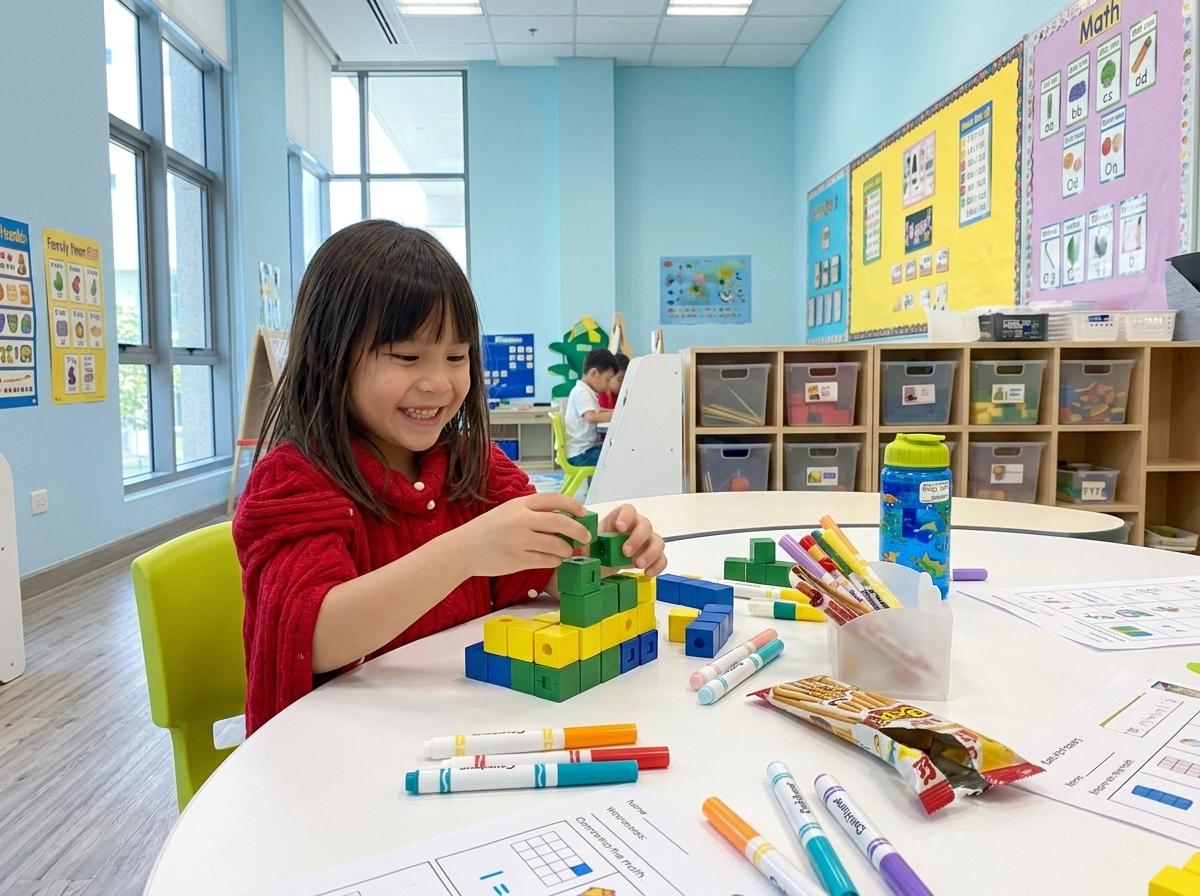
Manipulatives are physical tools that aid in understanding abstract concepts. In math, items like blocks, beads, and abacuses help children visualize numbers and operations. Beyond math, manipulatives can be used in science experiments or art projects, providing a hands-on approach to learning across subjects. These tools make learning interactive and enjoyable, helping children retain information better.
Promoting Early Numeracy Skills
Early numeracy skills are vital for children's future success in math. Activities that involve counting, sorting, and pattern recognition lay the groundwork for more complex mathematical concepts. Simple games like counting objects during a nature walk or identifying shapes in everyday objects can boost these skills. Encouraging children to explore numbers in their environment helps them see math as a natural part of life.
Strengthening Reading Fluency and Comprehension
Reading fluency and comprehension are crucial for academic success. To strengthen these skills, children should be exposed to a variety of texts and encouraged to read regularly. Activities like shared reading, where children read aloud with an adult, can improve fluency. Comprehension can be enhanced by discussing stories and asking questions that prompt children to think critically about the text. By fostering a love for reading, we prepare children for a lifetime of learning.
Frequently Asked Questions
What is hands-on learning?
Hands-on learning involves engaging students in activities that require active participation, allowing them to learn by doing. This approach helps children understand concepts more deeply and retain information longer.
How can I encourage a growth mindset in my child?
To encourage a growth mindset, praise effort over results, encourage curiosity, and frame challenges as opportunities to learn. Providing a supportive environment where mistakes are viewed as part of the learning process also helps.
What are manipulatives, and how do they help in learning?
Manipulatives are physical objects used to teach concepts in a tangible way. They help students visualize problems, making abstract ideas concrete, and are particularly effective in subjects like math and science.
How does experiential learning benefit literacy?
Experiential learning in literacy involves activities like interactive storytelling and role-play, which enhance comprehension and vocabulary. Through these methods, children can engage with texts more meaningfully.
Why is it important to integrate math and literacy?
Integrating math and literacy provides a holistic learning experience, showing students the practical applications of both subjects. This approach fosters critical thinking and helps students make connections across disciplines.
Comments