
From Curiosity to Confidence: Innovative Math Education that Fosters Creativity and Critical Thinking

Forget everything you think you know about math education. Most programs focus on drills and memorization, leaving kids bored and frustrated. What if math could spark creativity and build real confidence instead? Our innovative math education uses hands-on methods that turn learning into an adventure, helping your child develop critical thinking and a lasting love for math. [https://www.nwea.org/blog/2025/4-ways-to-encourage-creativity-in-math-class/]
Fostering Creativity Through Math
Imagine a world where math isn't just numbers and formulas, but a creative playground that sparks joy and curiosity. That's what we aim to achieve through our hands-on approaches.
Hands-On Learning Techniques
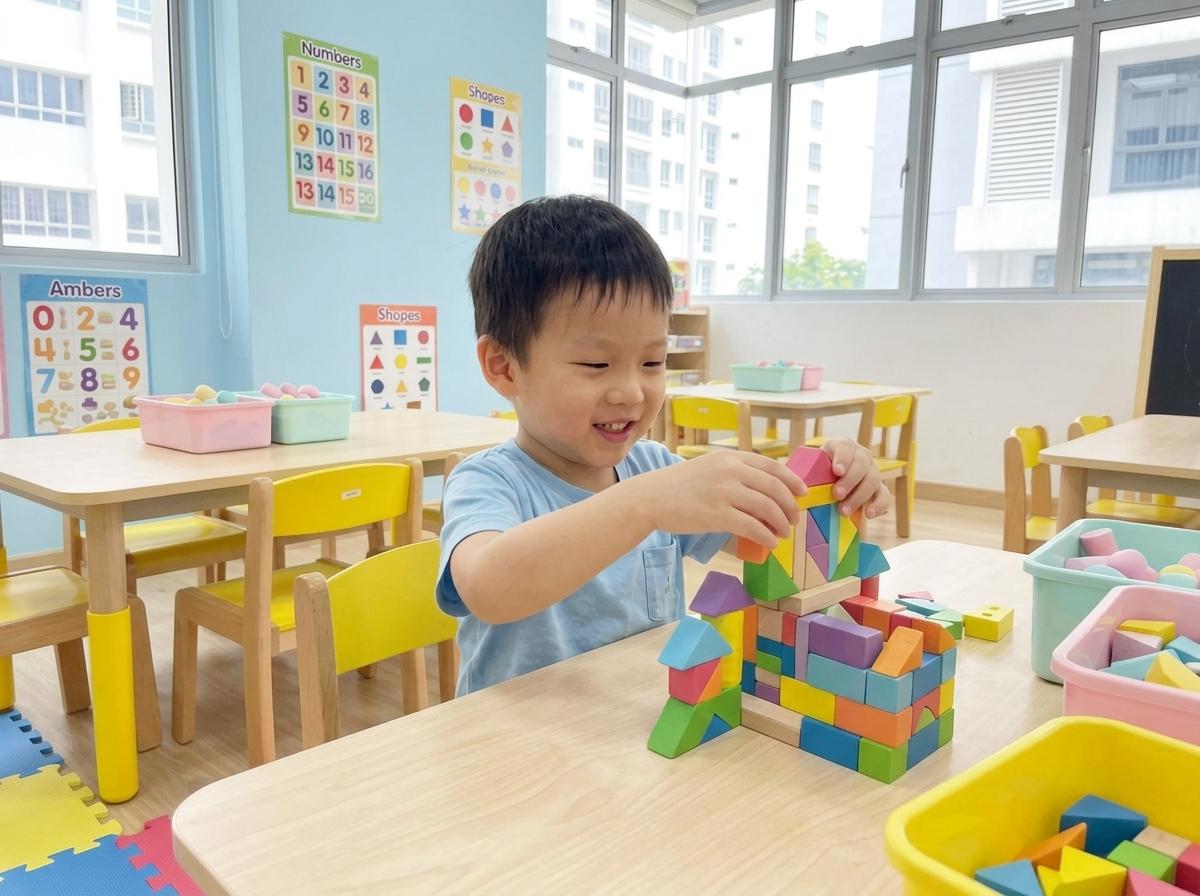
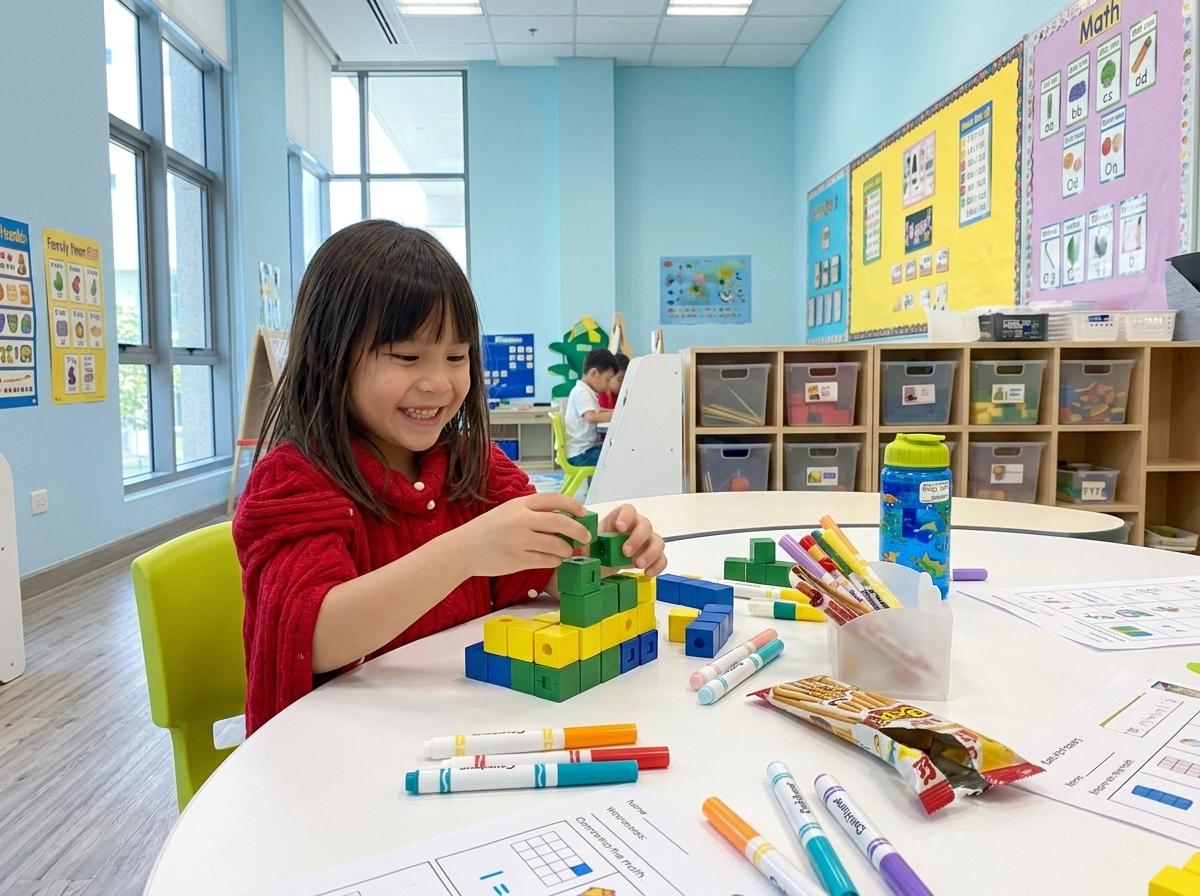
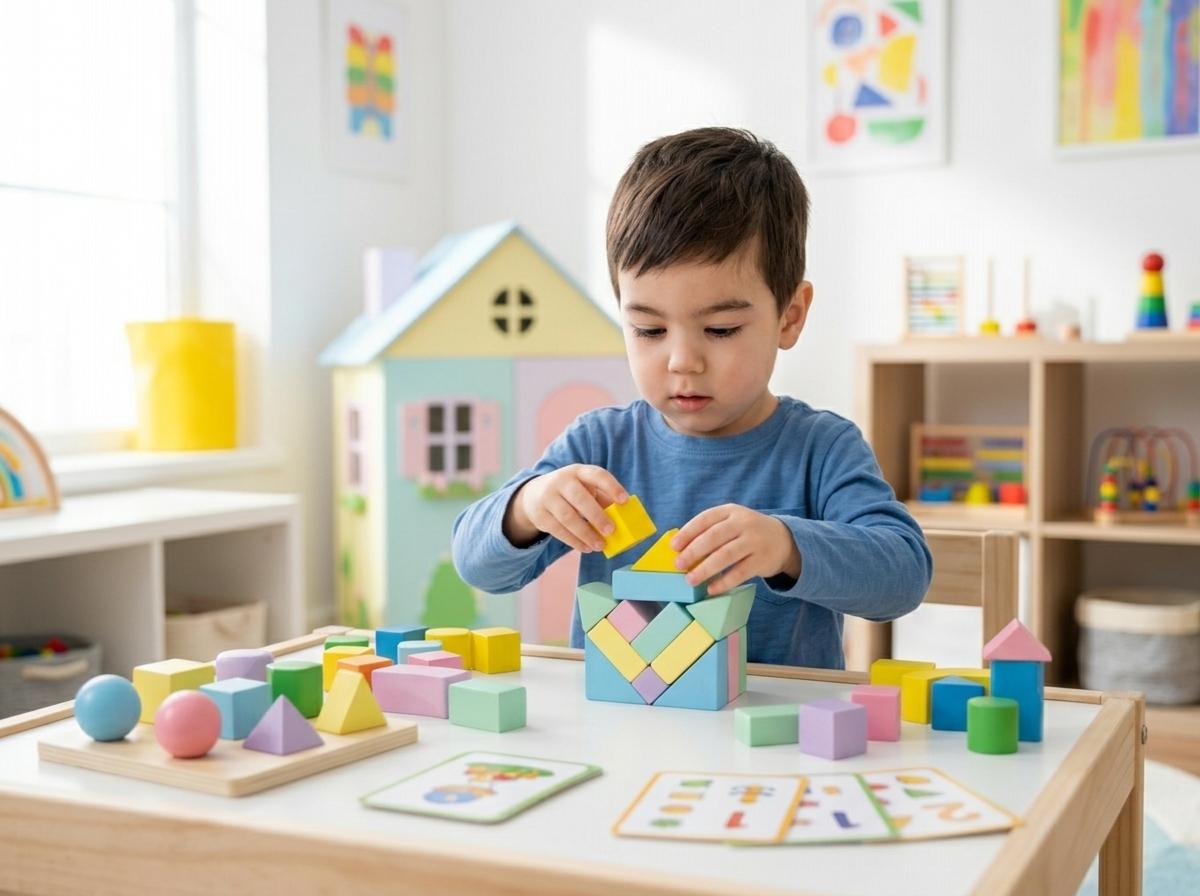
The secret to igniting excitement in math lies in engaging methods. Instead of passively absorbing information, children get to interact with math concepts. Using physical objects helps make abstract ideas tangible and fun. Picture a child using blocks to understand fractions, or crafting geometric shapes with string: these experiences stick.
Hands-on learning isn't just about making math more enjoyable; it's about deepening understanding. When kids manipulate objects, they see how numbers connect to real-world situations. It’s this connection that fosters creativity and makes math relevant and fascinating. [https://files.eric.ed.gov/fulltext/EJ1462662.pdf]
But the magic doesn't stop there. This approach encourages trial and error, a key part of learning. As students explore, they learn that mistakes are merely steps towards discovering new solutions. This fearless approach to learning is the cornerstone of a growth mindset, which empowers your child to tackle challenges with confidence.
Math Music Motion for Early Learners
For our youngest learners, combining music and motion with math creates an unforgettable experience. Imagine a classroom where kids sing songs about numbers and dance to rhythms that teach counting. This multisensory approach not only makes math fun but also enhances memory and retention.
Music and movement tap into different parts of the brain. When children move while learning, they engage their bodies and minds, making abstract concepts easier to grasp. A child who learns math this way is more likely to develop a love for the subject and carry that enthusiasm throughout their educational journey.
Furthermore, these activities cultivate a sense of rhythm and pattern recognition, laying the groundwork for more complex mathematical thinking. By integrating music and motion, we create an environment where learning is joyful and deeply impactful. [https://openjournals.utoledo.edu/index.php/learningtoteach/article/view/468]
Building Critical Thinking Skills
The journey of mathematical discovery doesn't end with creativity; it extends into critical thinking. This is where children learn to question, explore, and solve problems in innovative ways.
Inquiry-Based Math Exploration
Inquiry-based learning flips the script on traditional education. Here, questions drive learning. Instead of presenting facts, we encourage students to ask "why" and "how." This curiosity-led approach fosters independent thinking and deeper understanding.
Children learn to explore math problems from different angles. They become little detectives, searching for clues and piecing together solutions. This kind of learning builds resilience and adaptability, essential skills in a rapidly changing world.
Moreover, inquiry-based exploration nurtures a love for problem-solving. Students don't just memorize procedures; they learn to think critically and creatively. This approach not only boosts math skills but also prepares them for life's challenges. [https://www.ijlter.org/index.php/ijlter/article/download/10983/pdf]
Project-Based Challenges for Growth Mindset
Projects transform abstract math concepts into concrete achievements. By working on projects, students apply math to real-world scenarios, making learning meaningful and memorable. This hands-on approach also encourages collaboration, communication, and creativity.
Through project-based challenges, children learn that effort and perseverance lead to success. This mindset is crucial for overcoming obstacles, both in math and in life. When students see the tangible results of their hard work, their confidence soars.
Imagine a child designing a small bridge using math principles. They calculate measurements, test materials, and learn from failures. This process instills a growth mindset, where they understand that mistakes are opportunities to learn and improve. This approach cultivates resilient learners ready to face any challenge. [https://www.thethinkacademy.com/blog/edubriefs-cultivating-childrens-mathematical-thinking/]
Encouraging Confidence and Curiosity
Confidence in math isn't just about getting the right answers; it's about feeling capable and curious. Our programs aim to nurture these qualities in every child.
Personalized Math Assessment Benefits
Every child is unique, and so is their learning journey. That's why personalized assessments are vital. They help identify each student's strengths and areas for improvement, ensuring a tailored learning experience.
With personalized assessments, students receive the support they need to progress at their own pace. This individualized attention boosts confidence as children see their growth over time. They learn that their abilities are not fixed, and with effort, they can achieve more than they thought possible.
Furthermore, these assessments empower educators to adjust strategies to meet each child's needs. This dynamic approach ensures that every student is challenged and supported, fostering a love for learning that extends beyond math.
Creating a Love for Math in Children
The ultimate goal is to instill a passion for math. When children enjoy the subject, they are more likely to pursue it and excel. This love begins with engaging, relatable experiences that showcase the beauty and relevance of math in everyday life.
Encouraging curiosity is key. By presenting math as a puzzle to solve or a story to uncover, children become eager learners. This enthusiasm spills over into other subjects, as they develop a lifelong love for learning.
Creating a positive math experience also involves celebrating successes, big and small. Acknowledging efforts and progress builds self-esteem and motivates students to keep exploring. As they grow confident in their abilities, they carry this mindset into all areas of life, ready to tackle whatever comes their way.
By fostering creativity, critical thinking, and confidence, we empower children to see math as a source of joy and opportunity. Through our innovative programs, every child can embark on a journey of discovery, equipped with the tools to thrive in school and beyond.
Comments