
From Clay to Concepts: Why Creative, Hands-On Learning Builds Lasting Understanding in Math and Literacy

Forget the old idea that math and literacy must be quiet, desk-bound tasks. Creative hands-on learning turns abstract concepts into something children can touch, move, and explore. This approach not only helps build lasting understanding but also fuels a growth mindset, closing gaps left by traditional methods. Let’s see how multi-sensory, project-based learning can change the way your child experiences math and literacy. Learn more here.
The Power of Hands-On Learning
Imagine a classroom where kids learn by doing. This isn't just about fun; it's about deeper understanding and engagement. Let's explore how hands-on learning changes the educational game.
Multi-Sensory Learning Benefits
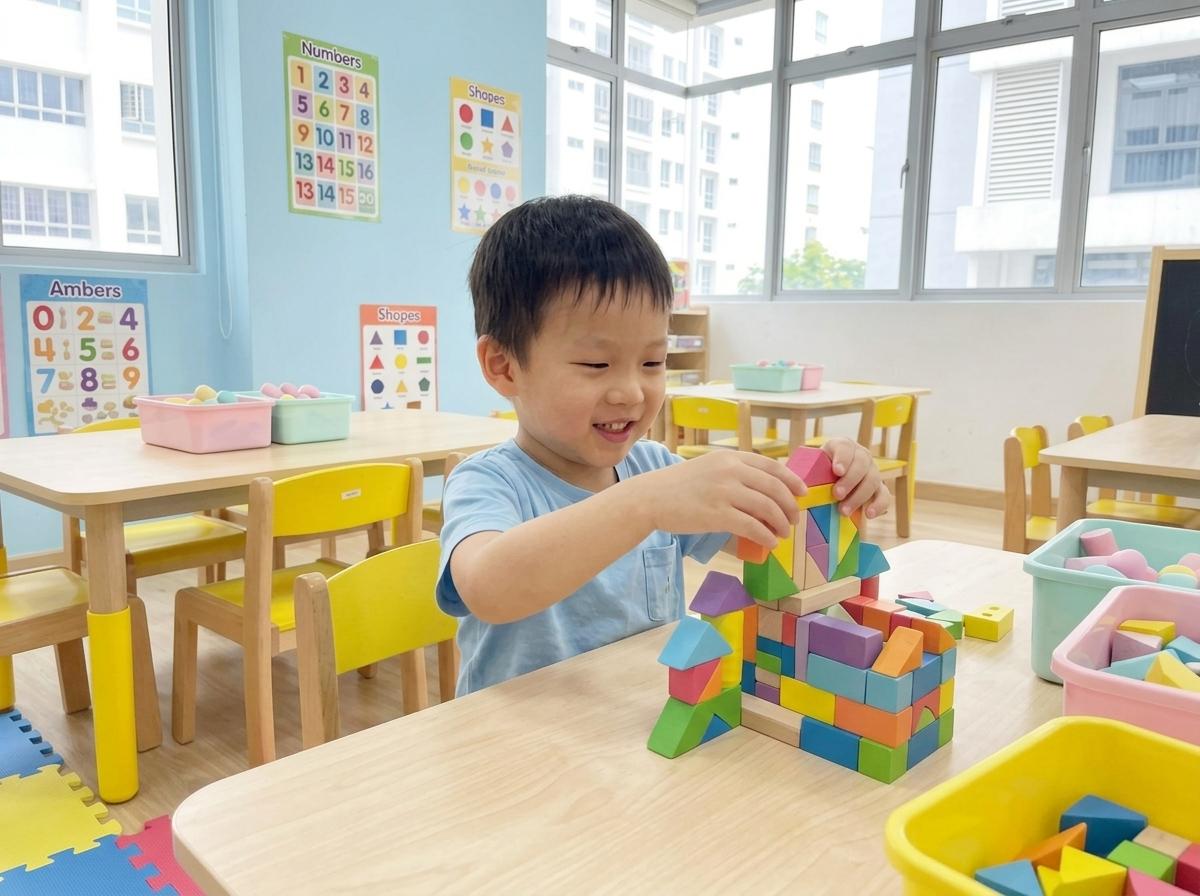
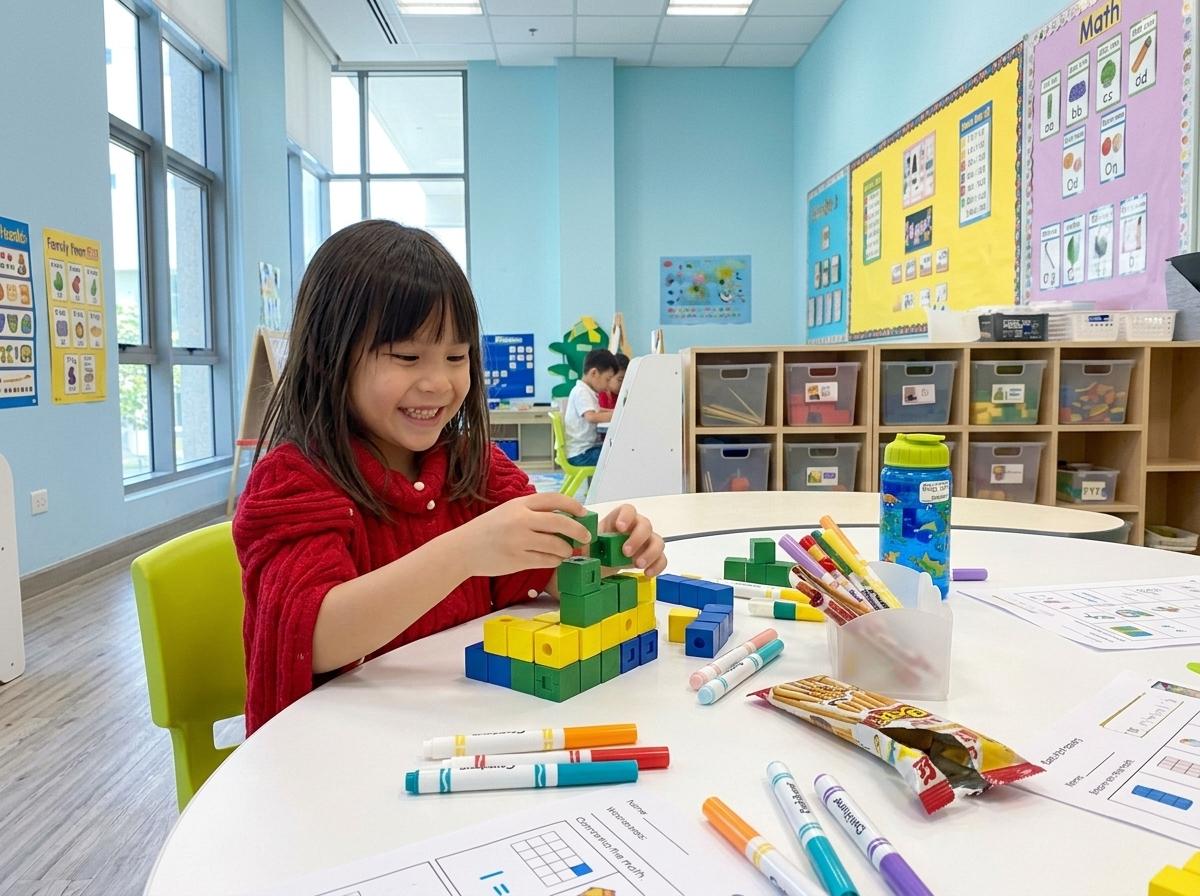
Multi-sensory learning engages more than just sight and sound. It utilizes touch, movement, and even smell to create memorable learning experiences. When kids use their senses, they form stronger connections to the material. For example, using math manipulatives helps children grasp abstract concepts by turning them into concrete experiences. This approach builds a solid foundation in number sense development, aiding long-term retention and understanding.
By allowing kids to physically interact with subjects, multi-sensory methods cater to diverse learning styles. Whether it's through tactile activities or auditory cues, kids can find their preferred way of learning. This not only enhances understanding but also boosts confidence, making education an exciting adventure rather than a chore.
Project-Based Learning for Children
Projects give kids a platform to apply what they've learned in a real-world context. This method encourages exploration and critical thinking, essential skills for lifelong learning. Through a project, children take ownership of their education, building confidence along the way.
Project-based learning helps children see the relevance of their studies. When a math problem relates to a real-life scenario, it no longer feels like an abstract puzzle. Instead, it becomes a tool for solving real-world issues. This method integrates subjects, showing children how math and literacy connect to everything they do.
Movement-Infused Instruction Impact
Infusing movement into lessons transforms traditional education. Movement can enhance focus, memory, and mood. For young learners, incorporating music and motion into math lessons, as seen in Growing IQ's Math Music Motion program, turns learning into an active and engaging experience.
When children move, they become more alert and receptive. This increases their engagement and retention. Movement is not a distraction but a catalyst for deeper understanding and curiosity—a vital ingredient for growth mindset math.
Building a Growth Mindset in Education
Education should inspire confidence and curiosity. Building a growth mindset is key to transforming how kids view their abilities and potential.
Nurturing Confidence in Math
Confidence in math begins with a supportive environment. Encouraging children to tackle challenges without fear of failure is crucial. When they see mistakes as learning opportunities, their confidence grows. This mindset shift changes "I can't" into "I can learn."
Programs that focus on understanding over rote memorization build this confidence. By emphasizing conceptual learning and critical thinking for kids, education becomes a tool for empowerment rather than intimidation.
Closing Gaps with Personalized Paths
Every child is unique, and so is their learning path. Personalized learning ensures that education meets children at their current level, closing gaps that traditional methods often ignore. This approach guarantees that no child is left behind.
Personalized learning paths adapt to each child's pace and style. By using assessments to tailor education, children receive the right level of challenge and support. This method not only fills learning gaps but also fosters a love for learning.
Overcoming Math Anxiety Solutions
Math anxiety is a common barrier to success. Addressing this requires creating a safe space for mistakes and growth. By transforming anxiety into curiosity, children learn to approach math with confidence.
Hands-on math activities and inquiry-based learning offer solutions to math anxiety. By focusing on process over perfection, children develop resilience and a positive relationship with math. This transformation is essential for lifelong learning and success.
Integrating Math and Literacy
Integrating subjects enriches education. When math and literacy intertwine, they create a holistic learning experience.
Critical Thinking for Kids
Critical thinking is the backbone of effective learning. By incorporating problem-solving and exploration into lessons, children learn to think creatively and independently. This skill is crucial for navigating an ever-changing world.
Integrating math and literacy encourages children to question, analyze, and connect ideas. This fosters a deeper understanding and prepares them for complex real-world challenges.
Math and Literacy Integration Techniques
Techniques like storytelling in math lessons bridge the gap between subjects. By using narratives to explain concepts, children can relate to and remember material better. This integration makes learning more engaging and meaningful.
Incorporating literacy elements into math education also improves reading comprehension and communication skills. It shows children the interconnectedness of knowledge, enhancing their overall educational journey.
Kindergarten Readiness and Beyond
Early preparation sets the stage for future success. Kindergarten readiness programs that incorporate multi-sensory and project-based learning build a strong foundation in both math and literacy. These methods ensure children are well-equipped for their educational journey ahead.
This holistic approach not only prepares young learners for school but also ignites a lifelong passion for learning. By nurturing curiosity and creativity from the start, we pave the way for confident, capable learners.
Frequently Asked Questions
What are the benefits of hands-on learning?
Hands-on learning engages multiple senses, making education more interactive and memorable. It caters to various learning styles and aids in deeper understanding and retention.
How does project-based learning help children?
Project-based learning allows children to apply knowledge in real-world contexts. It promotes critical thinking, problem-solving, and personal responsibility, making learning relevant and engaging.
How can we integrate math and literacy effectively?
Integrating math and literacy can be achieved through storytelling, problem-solving, and exploring real-world connections. This approach enhances comprehension and shows the interconnectedness of subjects.
Comments