
From Blocks to Books: How Creative, Hands-On Learning Grows Math, Literacy, and Confidence

Traditional classrooms often leave gaps where hands-on learning should be. Your child’s math and literacy skills need more than worksheets—they thrive with creative, tactile experiences that build confidence and curiosity. By blending movement, manipulatives, and storytelling, you can nurture a growth mindset for kids that connects math and literacy in meaningful ways. Let’s explore how this approach reshapes learning and why Growing IQ’s programs deliver personalized paths to success. For more on the benefits of hands-on learning, check out this resource.
Building Math and Literacy Foundations
Creative Math Activities and Literacy
Hands-on experiences make learning exciting. When children engage with creative math activities, their understanding deepens, and literacy skills grow through storytelling. Imagine a classroom where math isn't just numbers on a page, but part of a story that unfolds with each problem solved.
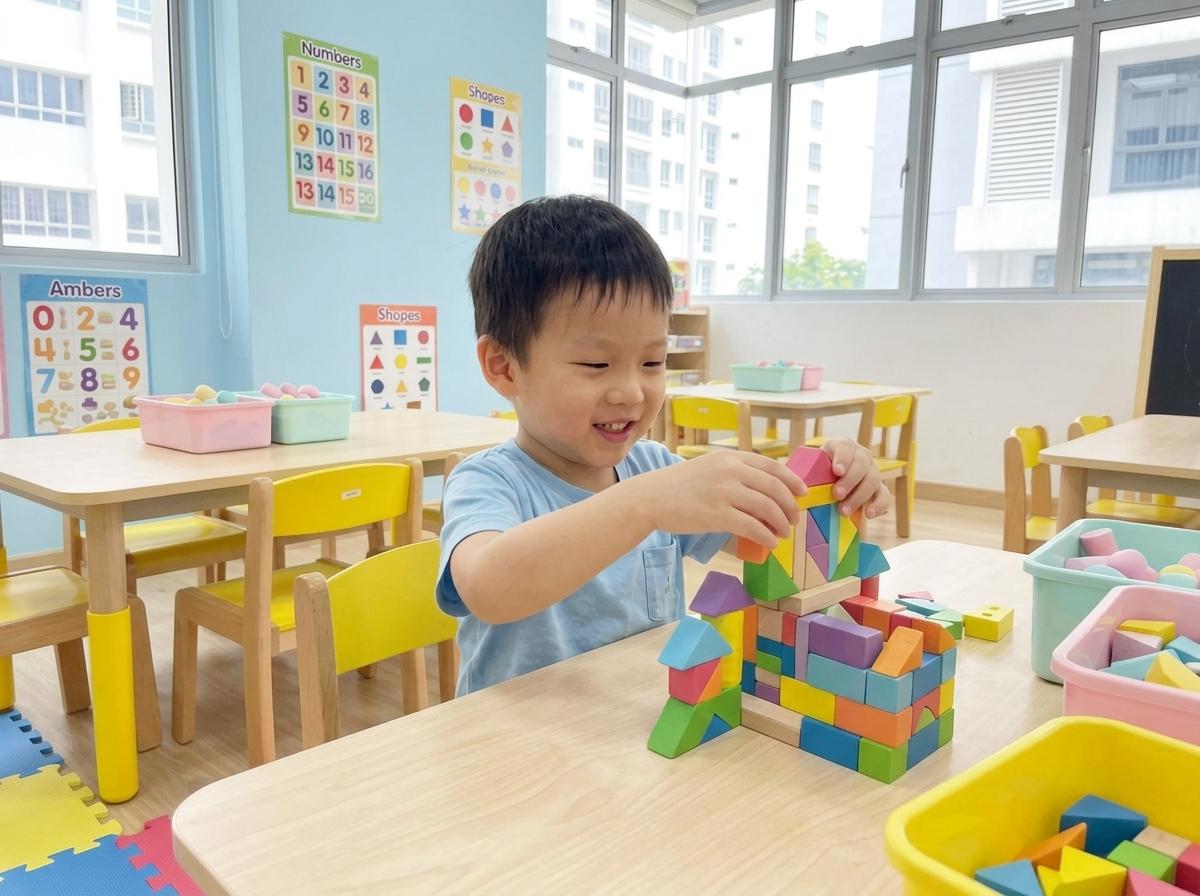
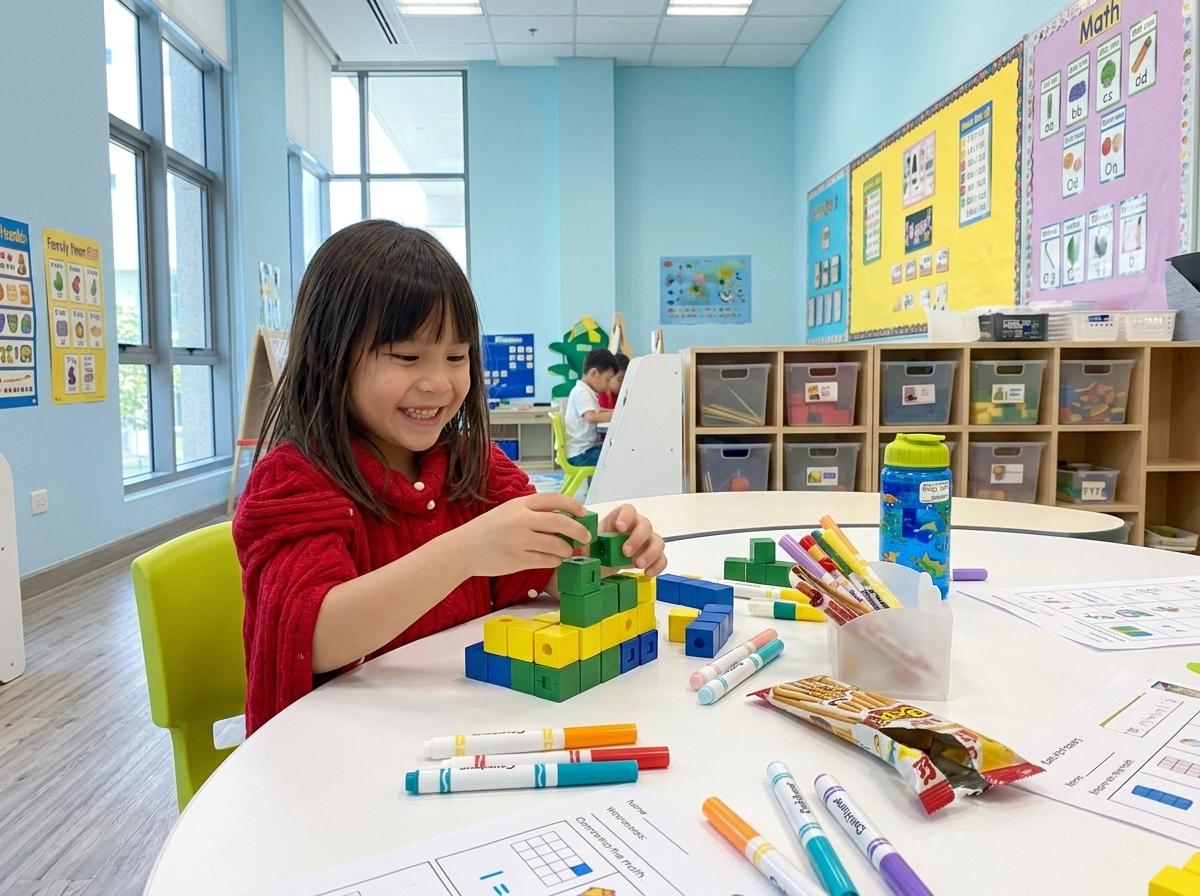
Using objects like blocks or beads, kids see math come to life. They count, sort, and build, enhancing their number sense and problem-solving skills. This tactile learning helps children connect abstract concepts to real-world applications. As they physically manipulate objects, they learn to think critically and creatively.
Literacy benefits too. When kids create stories around math problems, they practice reading and vocabulary in context. This approach supports language development and comprehension. By weaving narratives into math, children learn that math is everywhere, not just in textbooks.
Benefits of Cross-Curricular Learning
Cross-curricular learning bridges subjects, enhancing understanding. When math and literacy intertwine, it reinforces skills in both areas. This holistic approach encourages children to see connections between what they learn in different subjects.
An example is a lesson on shapes that integrates art and reading. Kids might read a story about patterns, then create their own art using shapes. This not only strengthens math skills but also fosters creativity and critical thinking. By engaging multiple senses and disciplines, children grasp concepts more fully.
This method also nurtures a love for learning. When lessons are varied and interactive, students are more engaged. They become active participants in their education, eager to explore new ideas and solve problems. Cross-curricular learning turns the classroom into a dynamic environment where curiosity thrives.
Problem Solving Skills in Early Childhood
Early childhood is a crucial time for developing problem-solving skills. Young children are naturally curious, and hands-on learning taps into this instinct. By presenting challenges in a fun way, educators can guide children to think critically and find solutions independently.
Activities like puzzles or building blocks require strategic thinking. As children play, they learn to plan, test ideas, and overcome obstacles. This process builds resilience and confidence, essential traits for lifelong learning.
Moreover, problem-solving skills extend beyond math. In literacy, children might predict story outcomes or create alternate endings, enhancing comprehension and creativity. Encouraging these skills early prepares children for academic success and fosters a proactive approach to learning.
Bridging Gaps in Traditional Education
Inquiry-Based Learning for Confidence
Inquiry-based learning empowers students. By asking questions and exploring, children build confidence and independence. This method contrasts with traditional rote learning, which often stifles creativity and curiosity.
In this environment, children are encouraged to share ideas and experiment. They learn that mistakes are part of the process, building resilience and a growth mindset. Instead of fearing errors, they see them as opportunities to learn and grow.
Educators guide students to discover answers, fostering a deeper understanding of subjects. This approach is particularly effective in math and literacy, where concepts can be abstract. Through inquiry, students engage with material actively, leading to more meaningful learning experiences.
Phonemic Awareness Through Movement
Movement enhances learning, especially in literacy. Phonemic awareness, the ability to hear and manipulate sounds in words, is crucial for reading. By incorporating movement, educators make this abstract skill tangible.
Imagine a classroom where children jump or clap to syllables. This physical activity helps them internalize sound patterns and rhythms. As they associate sounds with actions, their understanding deepens. Movement also keeps children engaged and focused, making learning more effective.
This approach benefits all types of learners, especially those who thrive in active environments. By integrating movement, teachers create a dynamic space where literacy skills can flourish alongside math and other subjects.
For more insights on the benefits of hands-on learning, explore this resource.
Personalized Learning Paths and Growth Mindset
Personalized learning caters to individual needs. By assessing each child's strengths and challenges, educators can tailor lessons to optimize learning. This approach aligns with the philosophy of a growth mindset, emphasizing effort and perseverance over innate ability.
In personalized settings, students progress at their own pace. They receive support where needed and challenges when ready, promoting confidence and independence. This method recognizes that each child learns differently, and adapts to suit those differences.
A growth mindset is fostered as children see that effort leads to improvement. They learn that intelligence isn't fixed but can be developed through hard work and commitment. This mindset is crucial for academic success and personal growth, encouraging students to embrace challenges with enthusiasm.
Growing IQ’s Innovative Programs
Math Music Motion: Rhythm and Number Sense
Math Music Motion captivates young learners. By combining rhythm with math, children explore numbers in a fun, engaging way. Music helps make abstract concepts concrete, enhancing understanding and retention.
In these sessions, children might clap to beats, counting along as they go. This multisensory approach reinforces number sense and pattern recognition. Music also supports memory, making it easier for children to recall math facts.
This program is perfect for young children, tapping into their natural love of rhythm and movement. It turns math into a lively, enjoyable experience, setting a foundation for future learning.
Literacy Lab: Nurturing Confident Readers
The Literacy Lab transforms reading into an adventure. By focusing on reading, writing, listening, and speaking, it prepares children for real-world communication. This comprehensive approach ensures that literacy skills develop in a balanced way.
In small groups, children engage with stories through games and activities. This personalized attention helps build confidence and fluency. As children practice reading aloud or writing stories, they become more comfortable with language.
The Literacy Lab fosters a love for reading by making it interactive and fun. Children leave the program eager to explore new books and share their stories, equipped with the skills they need for academic success.
Growing Little Minds: Play-Based Early Childhood Education
Growing Little Minds combines play with learning. In these sessions, children explore concepts through games and creative activities. This play-based approach is ideal for early childhood, where exploration is key to development.
Children might build with blocks, paint, or engage in pretend play. These activities teach problem-solving, cooperation, and creativity. Through play, children learn vital skills while having fun, making education a joyful experience.
This program prepares children for school by fostering a love for learning. It nurtures curiosity and confidence, essential traits for academic and personal growth. By focusing on play, Growing Little Minds creates a strong foundation for future success.
🎨📚✨
Frequently Asked Questions
What is the importance of cross-curricular learning?
Cross-curricular learning connects different subjects, reinforcing skills and concepts. It engages multiple senses, making learning more meaningful and increasing retention.
How does movement aid in phonemic awareness?
Movement helps children internalize sound patterns by associating them with actions. It enhances engagement and retention, making abstract phonemic concepts more accessible.
Why is a growth mindset important in education?
A growth mindset encourages effort and perseverance, promoting resilience and confidence. It helps students embrace challenges, see mistakes as learning opportunities, and develop a love for learning.
Comments