
Creative Math in Motion: How Music and Movement Unlock Young Minds

Updated: Feb 19
Forget everything you think you know about math class. When children move and make music, their brains light up in new ways that help math stick. The magic of math music and movement goes beyond drills—it sparks curiosity, builds number sense, and grows confidence. Keep reading to see how this hands-on math learning can change the way your child sees numbers forever. Discover more about this here.
Engaging Minds Through Music and Motion
Imagine a world where learning math feels like playing a favorite game. This is what happens when music and movement come together in learning. It’s not just fun—it’s a powerful way to learn. Kids who engage this way often show better understanding and excitement about math.
Benefits of Math Music and Movement
Music and motion bring a fresh touch to math education. For example, kids can learn about patterns by clapping in rhythm or hopping in sequences. A study by Arts Academy showed that 80% of students found math more exciting when dance was involved source. These activities help solidify concepts and make math tangible.
But why is this approach effective? It taps into a child's natural love for play. When kids move, they’re not just learning math—they're experiencing it. Imagine your child learning to count beats in a song or calculating steps in a dance routine. The joy of discovery makes these lessons stick. You can find more about these creative methods here.
Sparking Joy and Understanding
Math doesn't have to be a chore. When kids see it as play, their confidence grows. They start to see math not as a set of numbers and equations but as a language they can speak fluently. This way of learning encourages kids to explore and ask questions. They learn to see math everywhere—in music, in nature, and even in their daily routines.
Every child deserves to experience the magic of math through creative learning. And with programs like those at Growing IQ, this dream becomes a reality. Imagine your child lighting up with excitement as they solve problems with their body and mind.
Building a Growth Mindset
After engaging with music and motion, children start to believe in their abilities. This foundation is crucial. A growth mindset empowers kids to embrace challenges and see mistakes as part of learning. They understand that they can improve with effort and persistence.
Fostering Critical Thinking for Kids
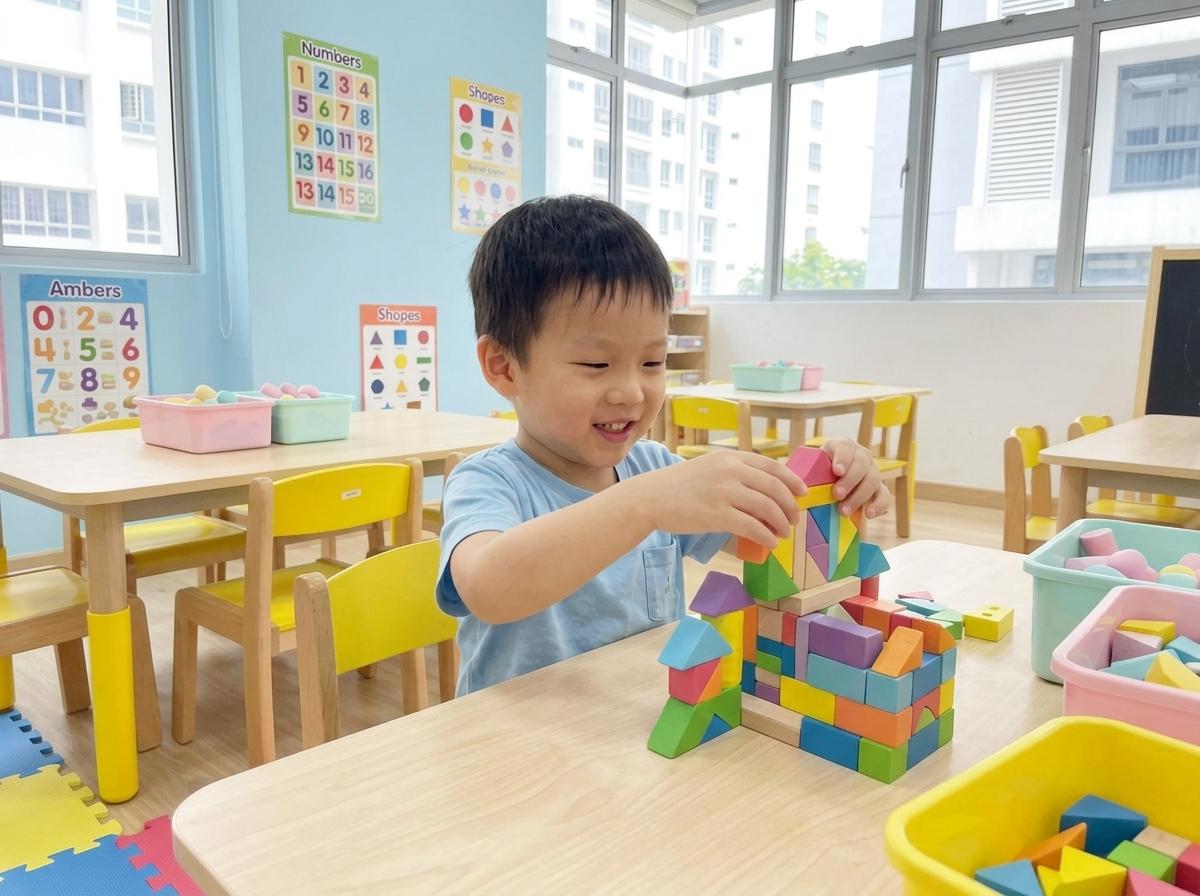
Critical thinking is more than just solving puzzles—it's about asking the right questions. Kids learn to break down problems and find solutions creatively. Take, for instance, a simple task of arranging blocks in patterns. This activity encourages them to think deeply and make connections between different ideas. With programs like Growing IQ, children develop not just mathematical skills but a way of thinking that will serve them throughout life.
A key insight is that these skills translate beyond math. When kids learn to approach math with curiosity, they develop a mindset that values learning and growth in all areas. This prepares them for a world that demands innovation and adaptability.
Personalized Learning Paths in Math
Every child learns differently. Some might grasp a concept quickly while others need a bit more time. Personalized learning paths cater to these individual needs, ensuring that every student progresses at their own pace. With tailored lessons, children can focus on areas where they need the most help, building a solid foundation for future learning.
Personalized programs also mean that children are never bored or overwhelmed. They stay engaged and motivated, knowing that their learning journey is unique to them. This approach not only boosts their confidence but also instills a love for learning that lasts beyond the classroom.
Inspiring Math Education Programs
Programs that integrate music and movement are changing the face of math education. They are not just teaching math; they are transforming how students think and feel about the subject. By introducing creative elements, these programs make math accessible and enjoyable for all learners.
Early Math Education and Kindergarten Readiness
Preparing children for kindergarten goes beyond teaching them to count. It's about making sure they have the skills to explore and question. Early math education programs focus on developing number sense and spatial reasoning from a young age. Activities like singing number songs or dancing in patterns help children get ready for more formal schooling.
These early experiences are crucial. They lay the groundwork for a positive attitude towards math. With the right start, children are more likely to succeed and enjoy math throughout their academic journey.
Seasonal Camps and Hands-on Math Learning
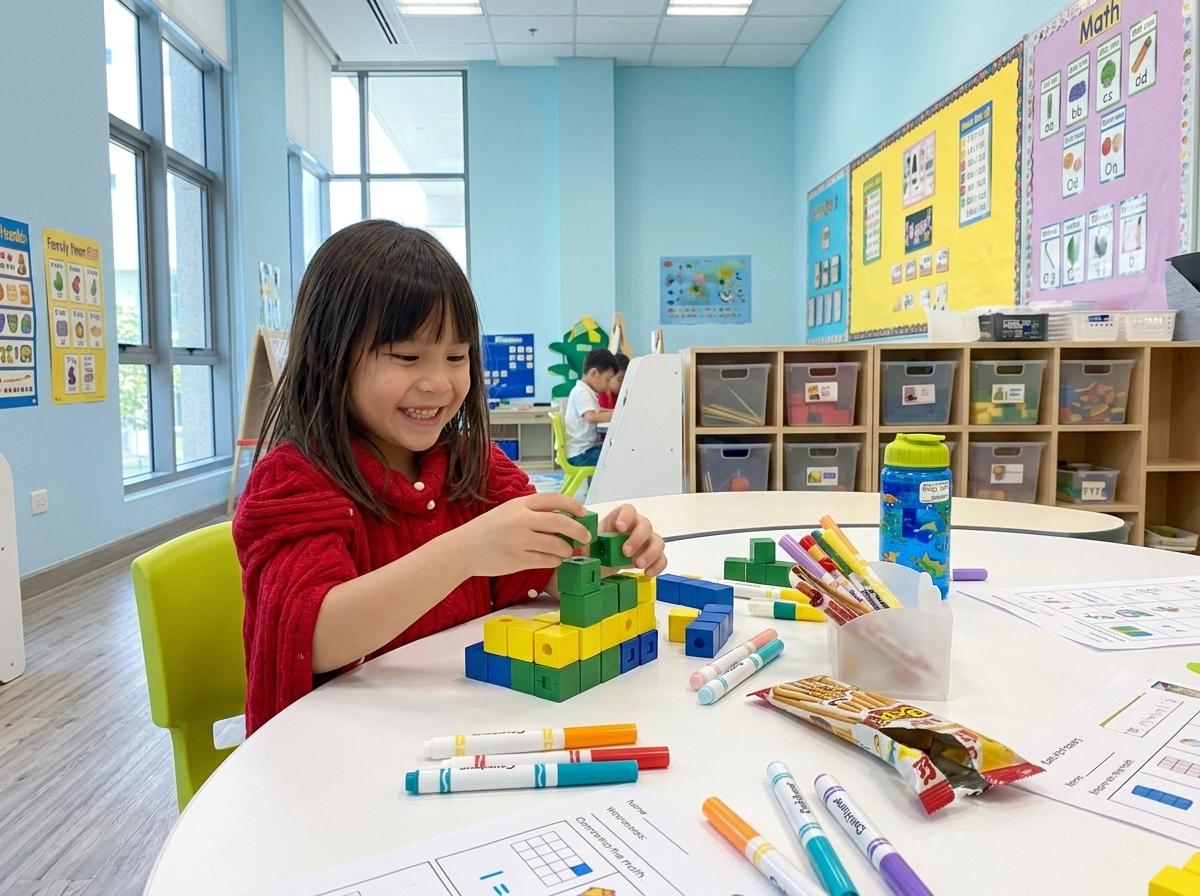
Imagine a summer camp where math is a thrilling adventure. Seasonal camps offer hands-on learning experiences that captivate young minds. From building structures to solve problems to using math manipulatives in creative ways, these camps make learning feel like play.
The beauty of these programs is that they cater to all learning styles. Whether your child learns best by doing, seeing, or listening, there's an activity that will engage them. As they participate, they'll gain skills and confidence that extend beyond math, preparing them for a lifetime of learning.
In conclusion, math education doesn't have to be rigid. With the integration of music and movement, it becomes an exciting journey of discovery. By enrolling in programs like Growing IQ’s, you give your child the tools to succeed and the confidence to explore the world with curiosity and joy.
Comments