
Creative Math, Confident Minds: Techniques That Build Critical Thinkers

Forget everything you know about math drills and worksheets. Kids thrive when math sparks their curiosity and invites them to explore with hands-on math activities. Creative math learning builds critical thinking for kids while boosting math confidence for children in ways traditional tutoring can’t match. In this post, you’ll see how Growing IQ’s approach helps young learners enjoy math deeply and confidently. Learn more about fostering creativity in math here.
Creative Math Learning Techniques
Creative approaches to learning math can open doors to a world of understanding and excitement. Let’s dive into some engaging techniques that make math come alive.
Hands-On Math Activities
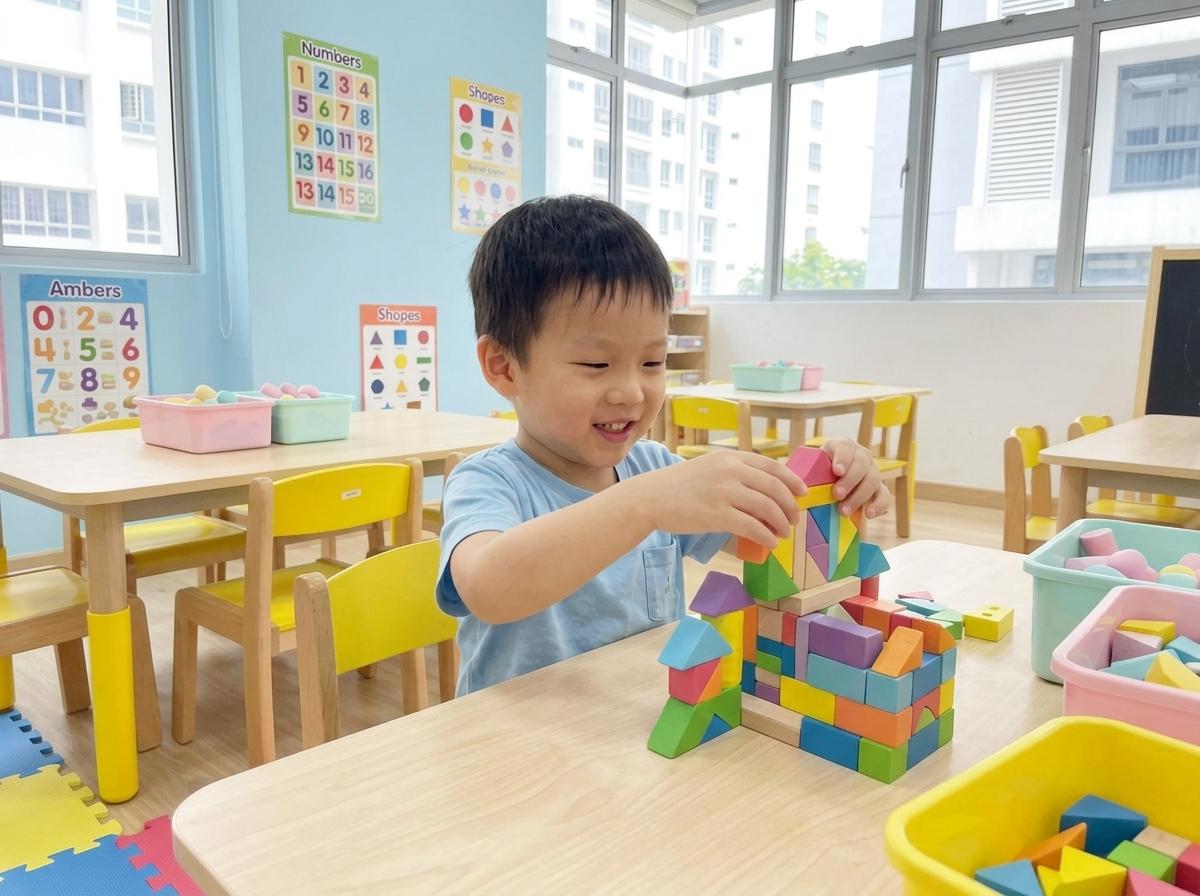
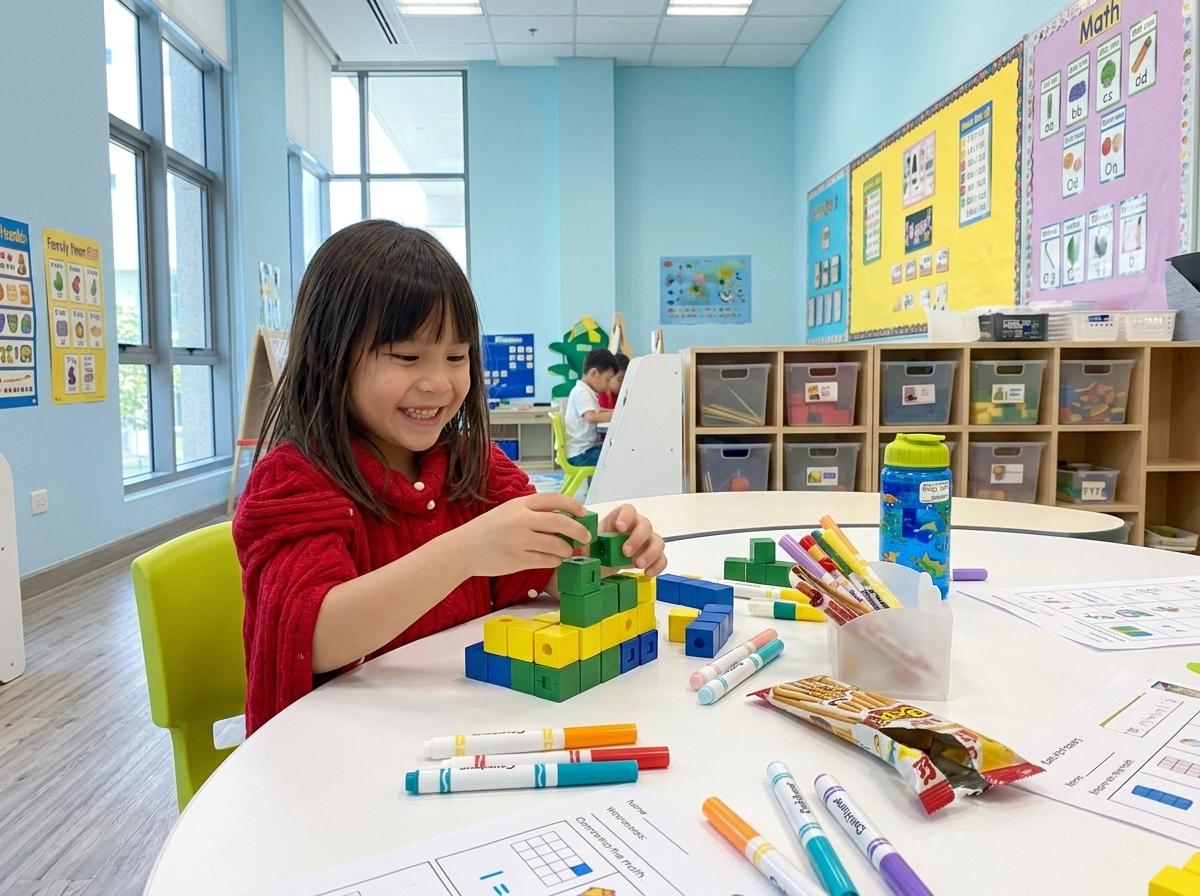
Imagine math as a playground where young minds explore and create. Hands-on activities transform numbers into tangible experiences. Children learn by doing, which helps them grasp complex concepts easily.
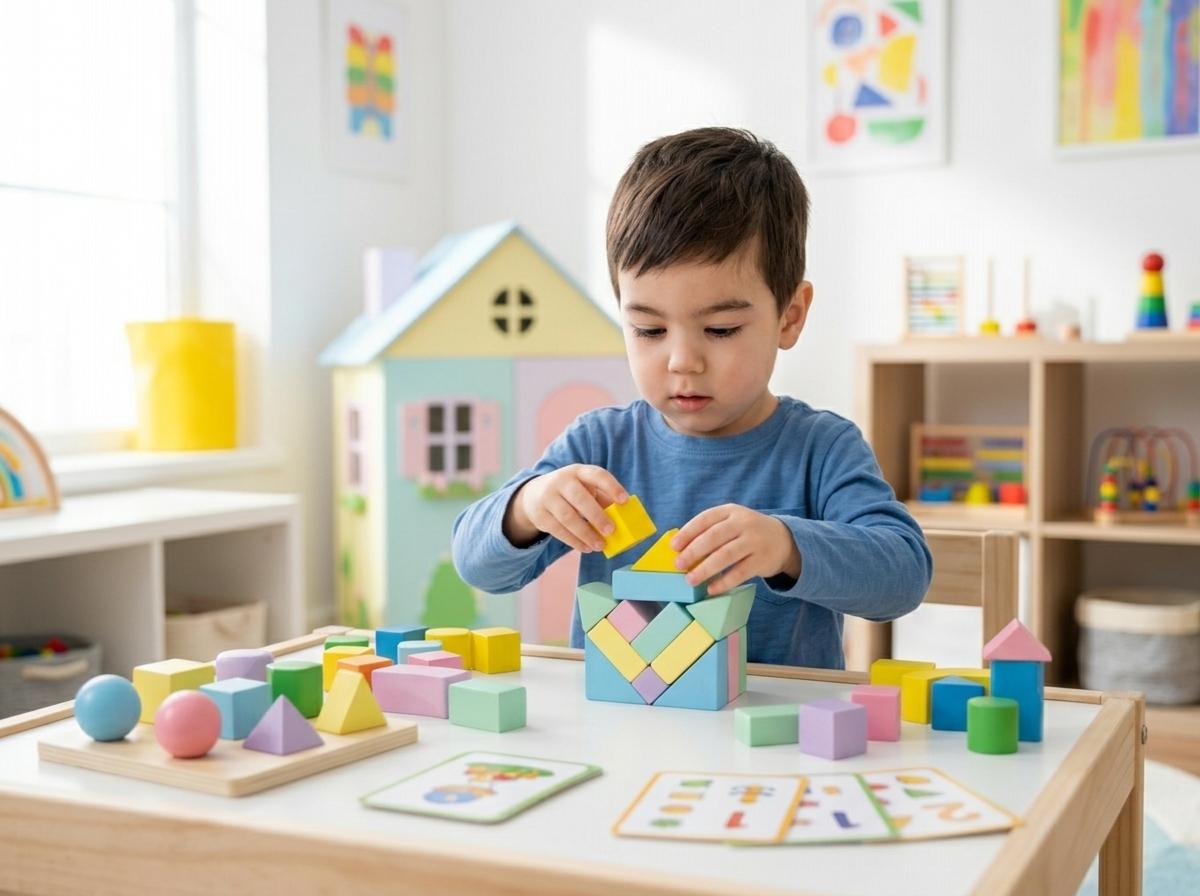
For instance, using building blocks to illustrate addition and subtraction can turn a simple math problem into an exciting puzzle. This approach not only makes learning fun but also helps in retaining knowledge because kids love activities that let them touch and feel.
Another fantastic way to engage children is through math-related art projects. Creating geometric patterns or symmetry paintings allows them to see math’s beauty and applicability. This method fosters creativity while reinforcing math skills, showing that numbers are not just abstract ideas but part of everyday life.
Multi-Sensory Math Engagement
Using multiple senses in learning can enhance understanding and retention. Multi-sensory engagement combines visual, auditory, and tactile methods to solidify math concepts.
Consider a lesson where children use sandpaper numbers. They trace each number, feeling its shape while saying it aloud. This tactile approach helps them connect the symbol with its verbal and visual representation.
Incorporating songs or chants with math facts takes learning to the next level. Rhythmic repetition reinforces memory and makes learning enjoyable. Think of it as creating a math symphony where every note strengthens a child’s math skills.
Math Music Motion for Young Learners
Math Music Motion introduces a delightful mix of rhythm and movement, perfect for young learners. By combining music with math concepts, children can enjoy a vibrant learning experience.
Picture a classroom where kids dance to the beat while counting steps or clapping to a rhythm that teaches multiplication tables. This method is effective because it ties physical activity with cognitive learning. Learn more about Math Music Motion and its impact on math education.
Music and movement not only make math lessons exciting but also cater to different learning styles. Children who might struggle with traditional methods often excel in these dynamic environments. It’s about creating a joyful path to learning, ensuring every child finds their way to math success.
Building Math Confidence for Children
Confidence is key in math, and building it requires nurturing a growth mindset. This section explores how fostering confidence can transform a child's relationship with math.
Fostering a Growth Mindset
A growth mindset encourages children to view challenges as opportunities to learn. It’s about understanding that ability is developed through effort and practice.
Start by celebrating mistakes as learning moments. When a child sees errors as part of the journey, they become more willing to tackle difficult problems. This shift in perspective is crucial for developing resilience and persistence.
Encouraging questions and curiosity is another way to foster this mindset. When children feel safe to explore and inquire, they engage more deeply with the material. It’s about creating an environment where every child feels capable of mastering math.
Developing Critical Thinking for Kids
Critical thinking is essential in math, helping children solve problems creatively and logically. This skill goes beyond memorizing formulas; it's about understanding the "why" behind them.
Introduce puzzles and games that require strategic thinking. These activities challenge kids to find solutions through reasoning, enhancing their analytical skills. A classic game like chess can be a fun way to develop these abilities.
Real-world math problems are also great for critical thinking. Tasks like budgeting a small event or planning a garden layout require children to apply math concepts practically. This approach shows them how math is relevant and useful in everyday life.
Personalized Math Program Benefits
A personalized approach caters to each child's unique learning style, ensuring they receive the support they need to thrive. Tailored programs can boost confidence and foster a love for math.
Personalization begins with an assessment to understand a child's strengths and areas for growth. This ensures that lessons are neither too easy nor too challenging, creating a balanced learning experience.
With personalized attention, children can progress at their own pace, celebrating small victories along the way. This individualized support builds self-esteem and motivates them to tackle more complex challenges. Here's the key insight: when learning is tailored to the student, their potential is truly unleashed.
Exploring Experiential Math Education
Experiential education takes learning beyond the textbook, immersing children in real-world applications of math. This section unpacks how experience-based learning can be a game-changer.
Problem-Solving in Math
Problem-solving is at the heart of math education. Encouraging children to think critically about problems and devise solutions fosters independence and innovation.
One effective method is to present open-ended problems without a single correct answer. This encourages discussions and multiple solution paths, allowing children to explore various strategies.
Encouraging collaboration is also beneficial. Group projects where kids solve complex problems together teach teamwork and communication. This not only enhances math skills but also prepares them for future collaboration in school and beyond.
Math Enrichment Program Overview
Math enrichment programs provide opportunities for deeper engagement with math concepts. These programs are designed to challenge students and ignite their passion for math.
A well-rounded enrichment program includes activities like math clubs or competitions that motivate children to excel. These settings offer a sense of community and shared enthusiasm for math.
Additionally, enrichment can involve integrating technology, such as coding or computer simulations, to explore math in innovative ways. It's about showing children that math is not just a subject but an exciting field with endless possibilities. Explore enrichment strategies.
Math Camps for Kids: A Unique Alternative
Math camps offer a unique and engaging way for children to immerse themselves in math. These camps combine fun with learning, making math an adventure.
In a camp setting, children can explore math through hands-on projects and experiments. Imagine building a mini-bridge to learn about geometry and physics. These activities make abstract concepts tangible and understandable.
Camps also provide a social experience where children can learn from peers and make friends who share similar interests. It's not just about math; it's about building confidence and teamwork skills in a supportive environment. The longer you wait to explore such options, the more opportunities your child might miss to grow and discover their love for math.
😊
By embracing these innovative math learning techniques, you can nurture a lifelong love for math in your children. It's about creating an environment where they feel empowered to explore, question, and succeed. Whether through hands-on activities, personalized programs, or experiential education, the goal is to cultivate confident, curious learners ready to face any challenge.
Comments