
Creative Learning Techniques That Make Math Engaging for Kids

Forget everything you know about boring math drills. Your child deserves creative math activities for kids that spark curiosity and build real understanding. Hands-on math learning nurtures critical thinking and confidence, turning challenges into achievements. Let’s explore how playful, project-based math can inspire your child’s growth mindset and make numbers come alive. Learn more about making math fun.
Creative Math Activities for Kids
The world of math is packed with opportunities for kids to learn creatively. By tapping into their natural curiosity, we can transform math from a daunting task into an exciting adventure. Let's delve into some activities that will keep your child engaged and eager to learn.
Math Music Motion for Early Learners
Imagine a room where children dance and sing their way through math concepts. This isn't just fun; it's a powerful learning tool. Math Music Motion introduces early learners to numbers and patterns through music and movement.
Rhythm and Counting: Kids clap and stomp to beats, learning to count and recognize patterns. This physical activity makes abstract concepts more tangible.
Math Songs: Catchy tunes help kids remember numbers and sequences. Singing along turns learning into a joyous experience.
Dance Steps: Simple dance routines incorporate counting, teaching kids coordination while reinforcing math skills.
Engaging in these activities helps children grasp concepts in a way that sticks. They learn to associate math with fun, building a solid foundation for future learning.
Engaging Project-Based Math for Older Kids
Older kids thrive on challenges that let them use math in real-world scenarios. Project-based learning offers just that. It transforms abstract math into practical applications.
Building Projects: Whether it's designing a simple bridge or a model car, kids apply math to create something tangible. This hands-on approach fosters problem-solving skills.
Math in Cooking: Measuring ingredients introduces kids to fractions and multiplication. They see math's role in everyday life, making it relevant and engaging.
Community Projects: Solving real problems in their community, like planning a garden, shows kids how math impacts the world around them.
These projects not only enhance math skills but also teach teamwork and critical thinking, setting the stage for lifelong learning.
Hands-On Math Learning Techniques
When children work with their hands, they engage different parts of their brain, leading to deeper understanding. Hands-on learning turns math into an interactive experience that captivates young minds.
Using Math Manipulatives for Exploration
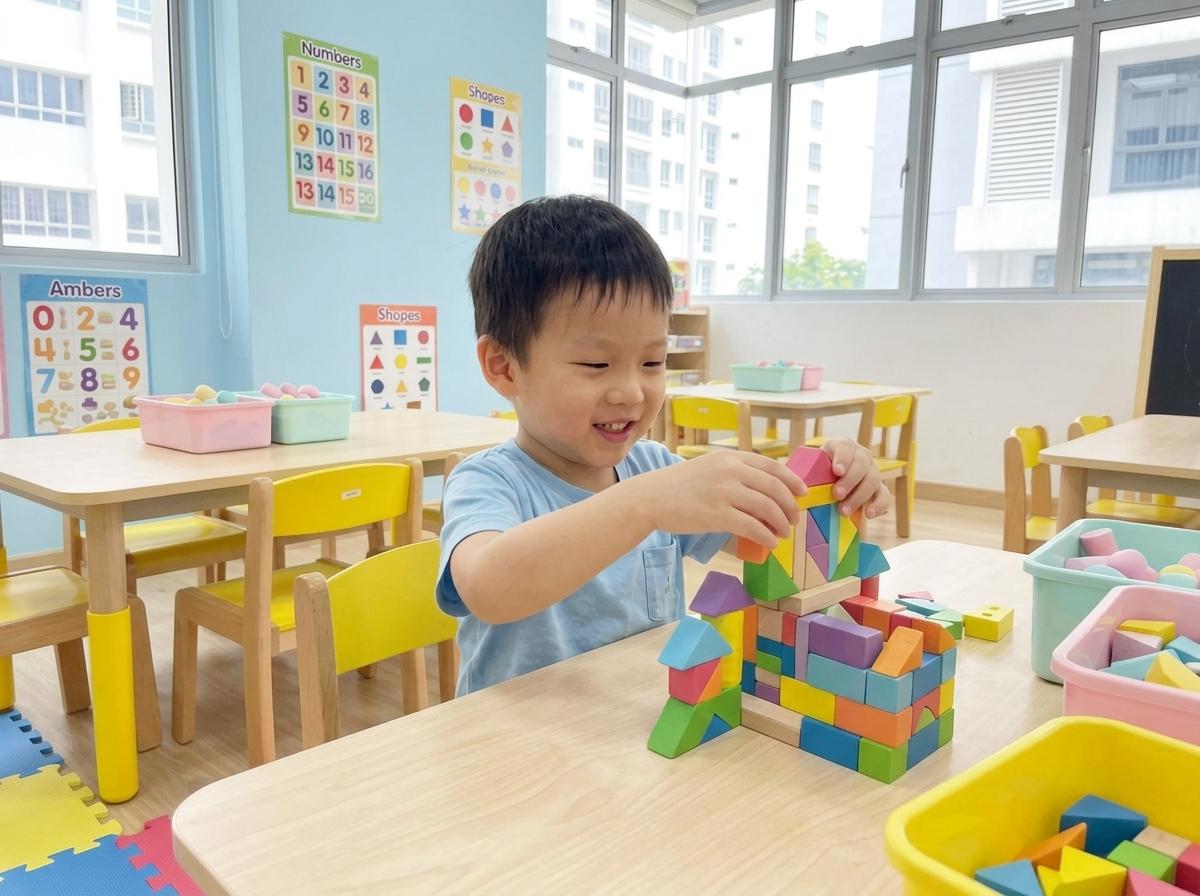
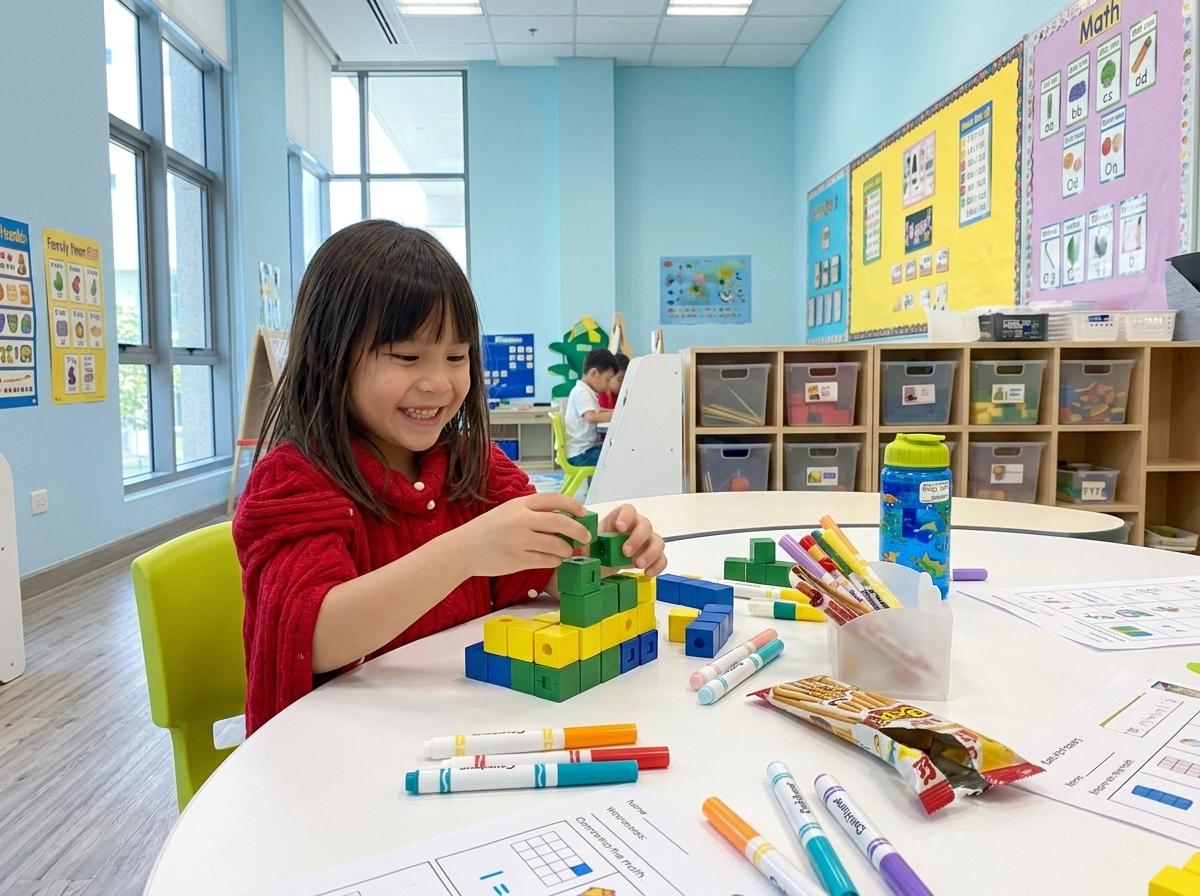
Math manipulatives are tools that make math concepts visible and touchable. They turn numbers into something kids can see and feel.
Counting Blocks: These help kids visualize addition and subtraction. Seeing the blocks move as they count aids comprehension.
Fraction Circles: By piecing together parts of a whole, kids better understand fractions. It's a simple yet effective way to grasp a challenging concept.
Pattern Tiles: Creating patterns with tiles reinforces concepts of symmetry and geometry. It combines creativity with math learning.
With these tools, math becomes less about numbers and more about discovery. Explore more ways to make math tangible here.
Real-World Math Problems for Critical Thinking
Applying math to real-life situations develops critical thinking skills. Kids learn that math isn't just in textbooks but everywhere around them.
Shopping Math: Calculating costs and change at a store teaches kids about money and budgeting. This practical skill is invaluable.
Travel Time: Planning a family trip? Have your child estimate travel time and distance using maps. It's a fun way to explore math and geography.
Weather Predictions: Analyzing weather data introduces statistics and probability. Kids learn to make predictions based on data, a crucial skill in today's world.
Real-world problems challenge kids to think critically, fostering a growth mindset that encourages lifelong learning.
Growth Mindset in Math Education
A growth mindset teaches kids that their abilities can improve with effort. In math education, this mindset is crucial for overcoming obstacles and embracing challenges.
Building Math Confidence Through Challenges
Challenges are opportunities for growth. By tackling difficult problems, kids develop resilience and confidence in their abilities.
Puzzle Games: Solving puzzles boosts logical thinking and persistence. It's a fun way to build confidence through success.
Math Competitions: Friendly competitions encourage kids to push their limits. Winning isn't the goal; it's about learning and improving.
Most people think math is about getting the right answer, but it's also about learning from mistakes. Encouraging kids to embrace errors as learning experiences fosters a positive attitude towards math.
Personalized Math Assessments for Tailored Learning 🎨
Every child learns differently. Personalized assessments identify each child's strengths and areas for improvement, allowing for a tailored learning experience.
Skill-Based Assessments: These tests focus on individual skills, not just grades. They help educators create personalized learning plans.
Progress Tracking: Regular assessments track progress, ensuring children stay on the right path. Parents gain insight into their child's development.
When learning is customized, children feel supported and motivated to succeed. Personalized assessments ensure each child receives the attention they need to thrive.
As we explore these creative approaches, remember the key insight: math can be joyful, engaging, and deeply rewarding. Encourage your child to embrace these activities, and watch as they develop a lifelong love for learning and discovery.
Comments