
Creative Approaches to Math Learning: Integrating Arts to Boost Understanding
Forget everything you know about math as memorization and drills. When children connect math with music, movement, and art, their understanding deepens and confidence grows. Creative math learning like this sparks curiosity and builds skills that last, making math a subject your child looks forward to. Let’s explore how integrating arts changes math from a chore into an adventure your family can enjoy together. Check out this resource for more insights on integrating art and math.
Arts-Infused Math Learning
Imagine a world where math feels more like an art class. This isn't just a dream; it's a powerful approach to learning. When arts and math blend, creativity takes center stage, transforming learning into an enjoyable journey. Why not explore how this can benefit your child?
Math and Music for Kids
Music and math share a special bond. Think about rhythm and patterns; they are mathematical at their core. When kids engage with music, they tap into these concepts without even realizing it. For instance, clapping to a beat teaches counting and intervals. Playing instruments involves fractions and timing, laying a solid foundation for understanding math later on.
Consider the story of Lucy, a 6-year-old who struggled with math. Her parents enrolled her in a music-integrated math program. Soon, Lucy was reading music sheets and solving math problems with ease, all thanks to this creative approach.
Discover how music and math connect and can change your child’s outlook on learning.
Math Through Movement
Movement in math? Absolutely! When kids move while learning math, they engage their bodies and minds simultaneously. Dancing out multiplication tables or hopping through number lines brings math to life. This approach also stimulates different learning styles, catering to kids who learn best through action.
Take Sarah, for example. She had trouble sitting still in class. But when her teacher incorporated movement into math lessons, Sarah's focus improved, and so did her grades. By integrating movement, her teachers turned challenges into strengths.
Check out how integrating movement can make math a dynamic experience for your child.
Visual Arts in Math Education
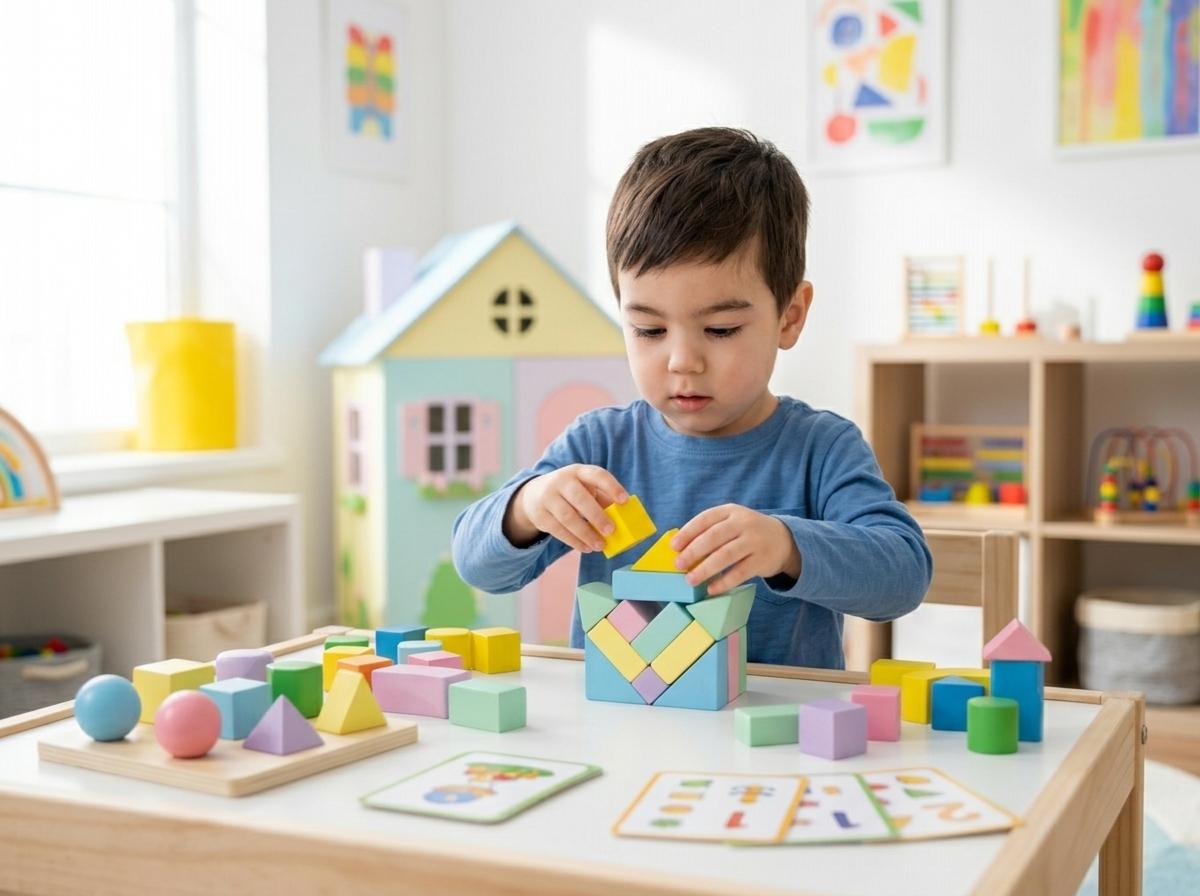
Visual arts provide a vivid way to explore math. Shapes, symmetry, and patterns are all around us. When children create art, they engage with these concepts in a tactile way. For instance, drawing geometric shapes or creating tessellations helps kids grasp spatial reasoning.
Jasmine loved drawing but disliked math. Her art teacher introduced a project that combined both: designing a mosaic using geometric shapes. Through this, Jasmine discovered math's beauty and her own skills in both areas.
Discover creative ways to connect art and math in your child’s education.
Growth Mindset Math Curriculum
Transitioning from arts to a growth mindset curriculum shows how creativity can foster a love for math. A growth mindset encourages kids to see challenges as opportunities.
Personalized Math Programs
Every child is unique, and their learning path should reflect that. Personalized programs adapt to a child's pace, ensuring they aren't just memorizing but truly understanding math. Tailored lessons help children feel confident and competent.
Consider John, who once dreaded math homework. With a personalized program, his lessons were adapted to his interests, turning math into a subject he now enjoys. These programs adjust to his learning speed, offering challenges without frustration.
Explore how personalized math paths can transform your child’s education.
Building Math Confidence for Children
Confidence in math grows when kids encounter success through manageable challenges. By fostering small wins, children build their math confidence, making them eager learners. This confidence extends beyond math, benefiting their overall academic journey.
Emma used to shy away from math problems. With a curriculum focused on growth mindset, she now tackles challenges with enthusiasm. Her grades reflect her newfound confidence and determination.
Learn how confidence can be nurtured through math.
Hands-On Math Activities
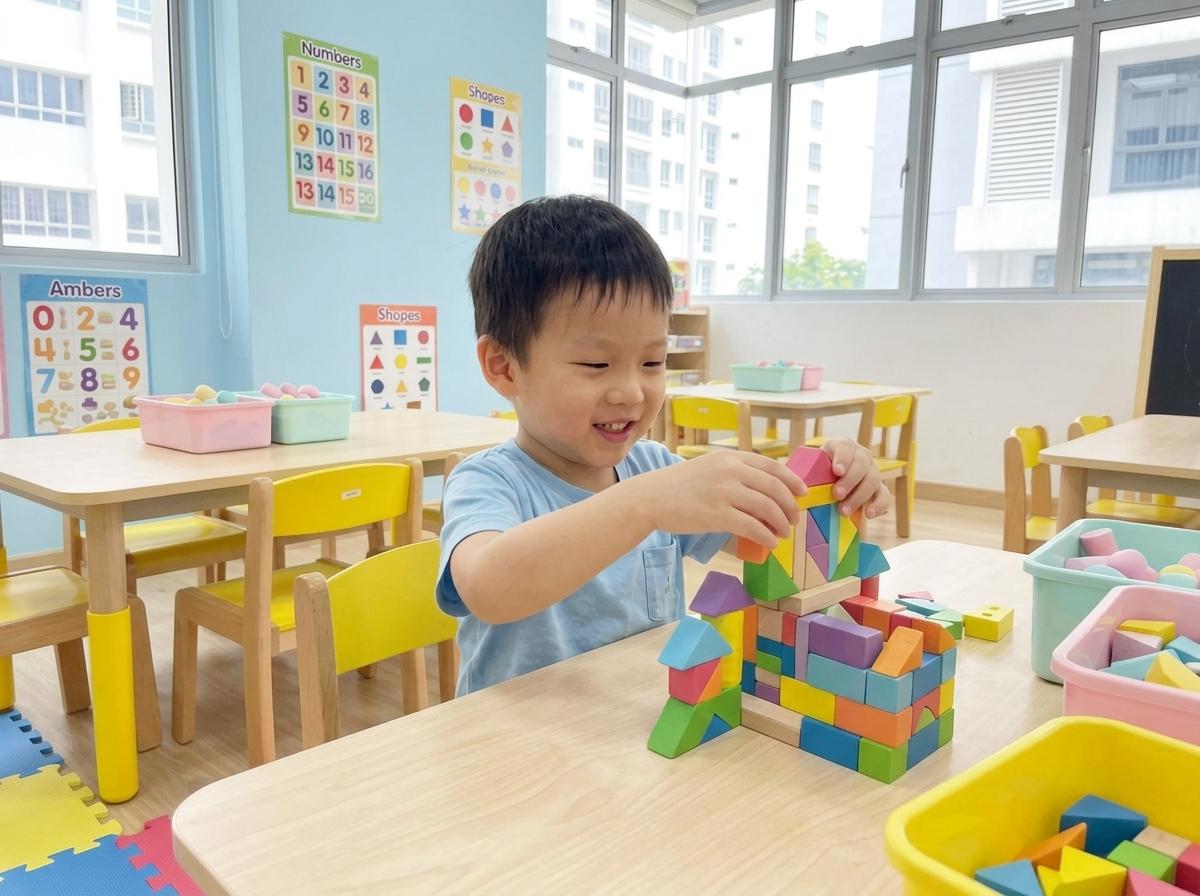
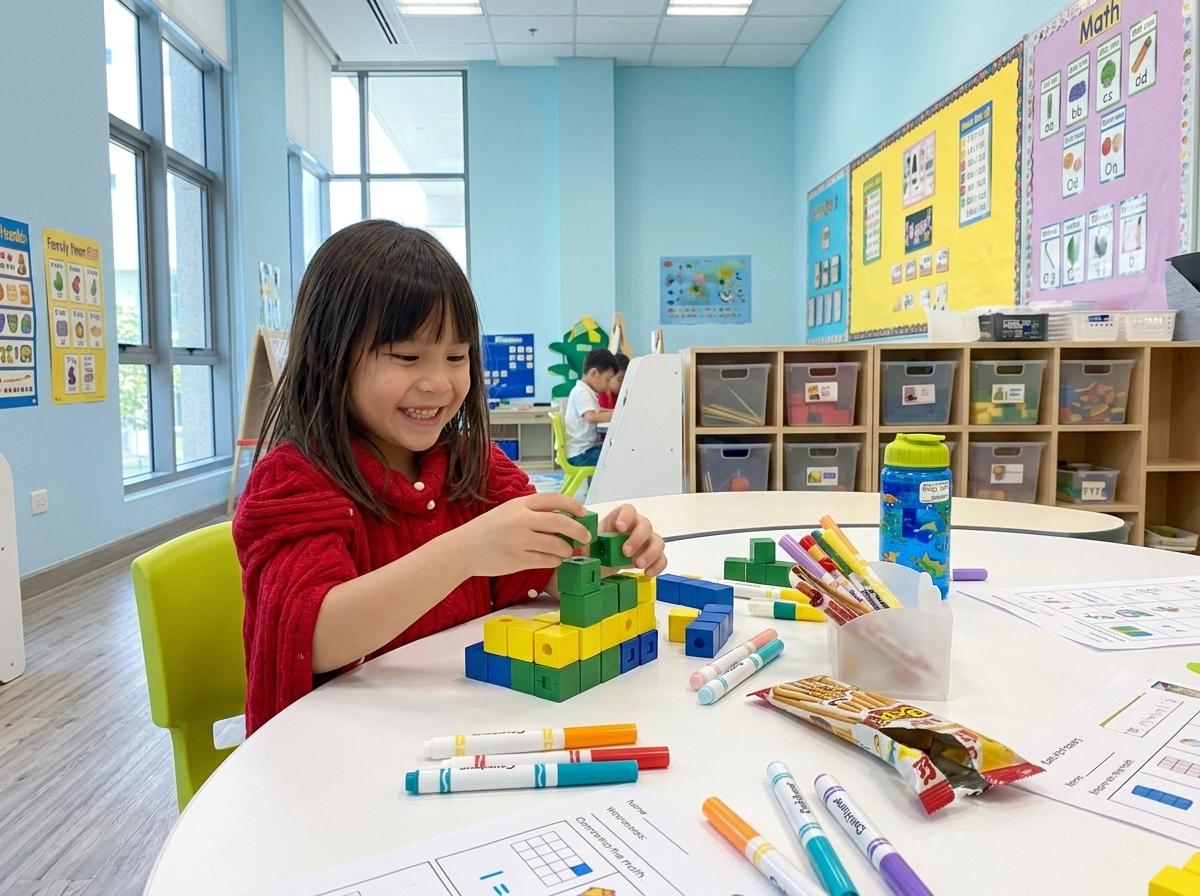
Hands-on activities make abstract concepts tangible. Manipulatives like blocks or beads turn numbers into something kids can see and touch. This approach bridges the gap between theory and practice, making math relatable and fun.
For example, a simple activity like building with blocks can teach counting and basic arithmetic. Through hands-on learning, children like Alex discover math's practical and enjoyable sides.
Discover how hands-on activities can enrich your child's math experience.
Engaging Math Opportunities
After exploring growth mindset and hands-on learning, let’s delve into engaging opportunities that take math beyond the classroom.
Seasonal Math Camps and Workshops
Seasonal camps offer immersive experiences, where kids dive into math through themed activities. These camps provide a change of pace from traditional learning environments, fostering a sense of adventure in education.
At a summer math camp, children can explore math in nature, solving problems related to their surroundings. These experiences make math relevant and exciting.
Explore various seasonal math camps for your child.
Early Childhood Math Program
Starting young sets the stage for future success. Early childhood programs focus on building foundational skills in a playful, engaging manner. Through games and stories, young learners develop number sense and problem-solving skills.
In one such program, toddlers like Mia play counting games that introduce math concepts in a way that's both educational and entertaining.
Learn about early math programs that make learning joyful for young children.
Elementary Math Enrichment
Enrichment programs for elementary students challenge them beyond the standard curriculum. These programs incorporate critical thinking and creativity, offering a well-rounded approach to math education.
Consider Jake, who excelled in math but needed more challenges. An enrichment program provided the advanced material he craved, keeping him engaged and motivated.
Discover enrichment opportunities that can elevate your child's math skills.
🎨📚🎶
By integrating arts with math, we can inspire children to see beyond numbers and formulas. With the right approach, math becomes an adventure, sparking curiosity and building lifelong skills.
Comments