
Beyond Repetition: Building a Strong Math Foundation with Growth Mindset and Creative Practice

Forget everything you know about learning math by rote. Spending hours on repetition often leaves kids frustrated and stuck, missing the big picture of how numbers truly work. With growth mindset math and hands-on math activities, your child can develop number sense naturally, building confidence and curiosity that last beyond the classroom walls. Let’s explore how creative math curriculum fills gaps common in both private and public schools and sets children on a path to real understanding.
Growth Mindset in Math
Building Math Confidence for Kids
Confidence in math begins with understanding over memorization. When children see math as a series of puzzles to solve, they approach problems with curiosity. This approach fosters a positive attitude toward math, encouraging kids to try new strategies. As they experience small victories, their confidence grows, transforming their mindset from "I can't" to "I can." This shift not only helps them tackle math challenges but also boosts their overall confidence in learning. As children build math confidence, they also develop persistence, a crucial skill for academic and personal success.
Avoid Rote Memorization Strategies
Rote memorization often leaves kids frustrated and disengaged. Repeating facts without understanding can make math feel like a chore. Instead, encourage children to explore concepts through meaningful activities. By using real-world examples, kids can see the relevance of math in daily life. This approach develops critical thinking and problem-solving skills, as they learn to apply mathematical concepts creatively. Breaking away from memorization fosters a deeper understanding, making math a fun and engaging subject.
Creative Math Practice
Hands-On Math Activities
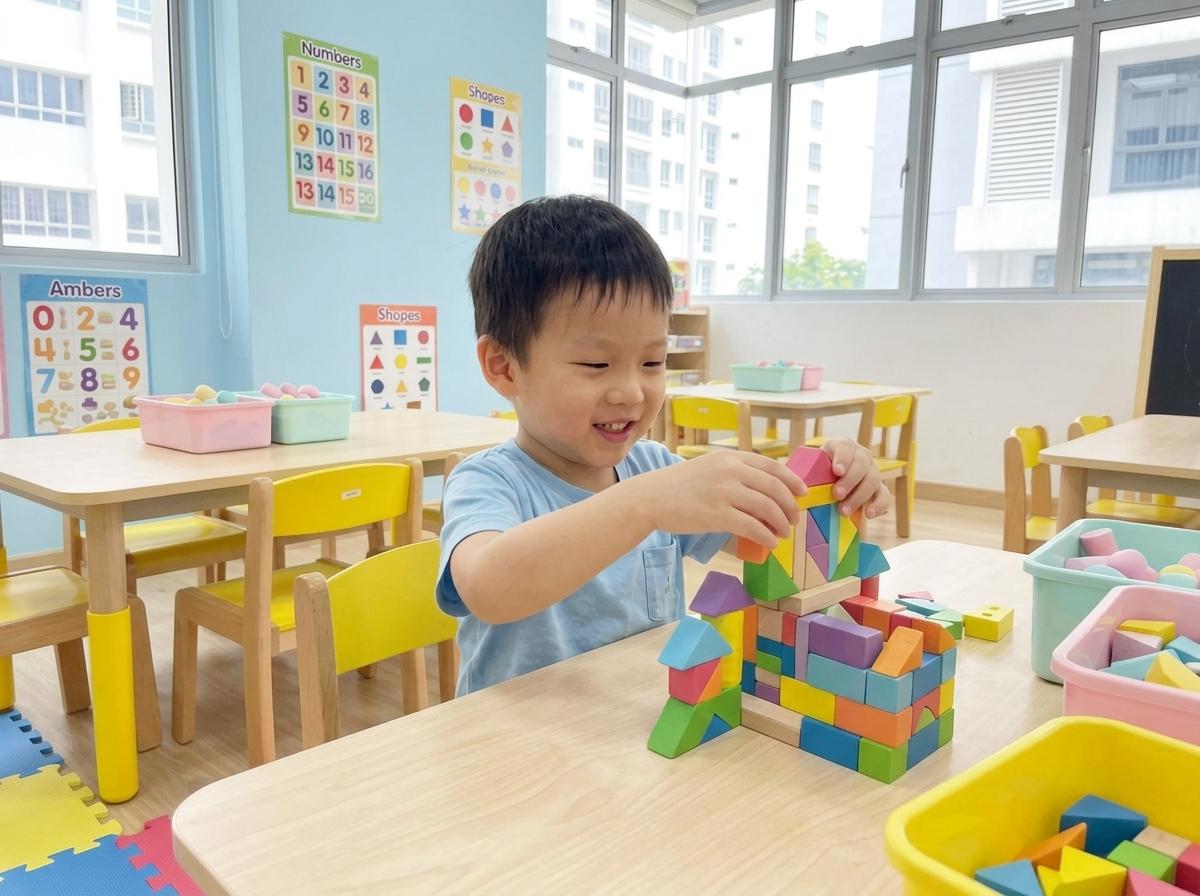
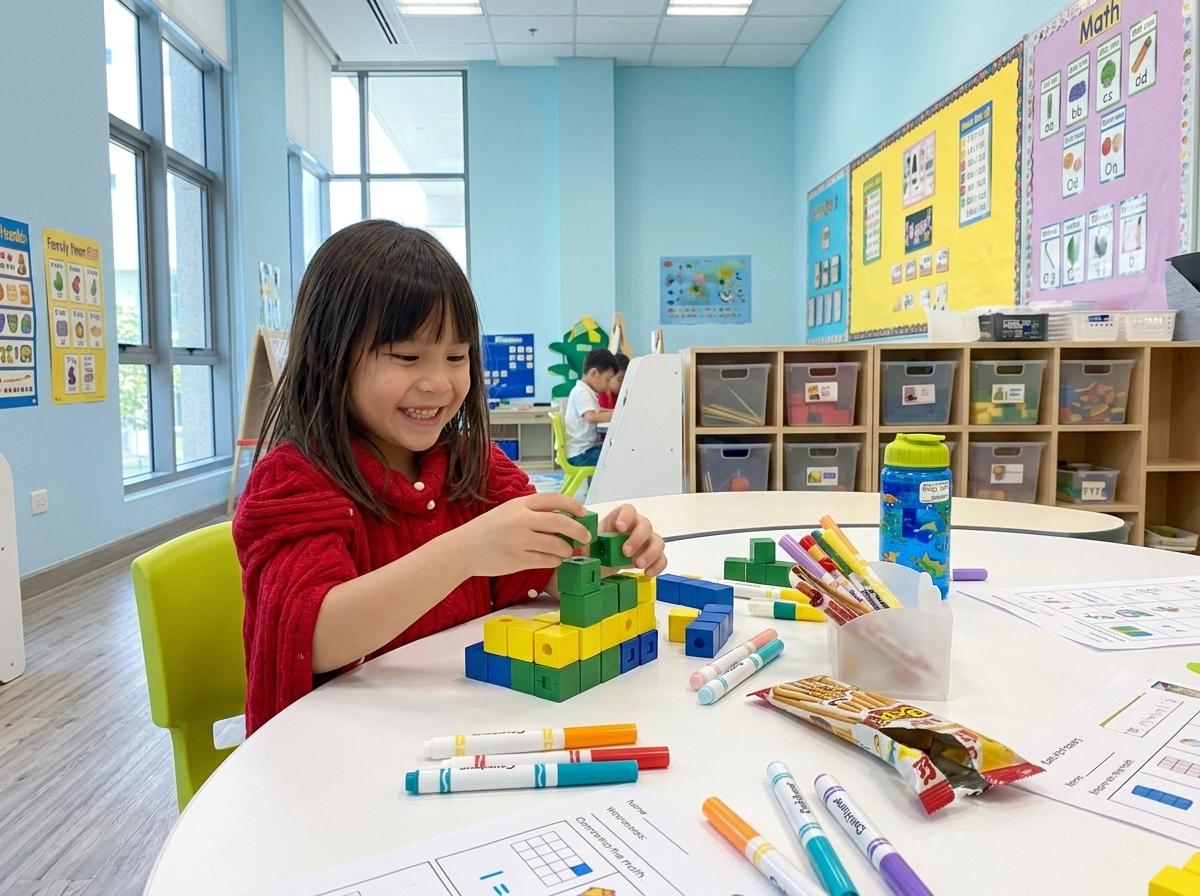
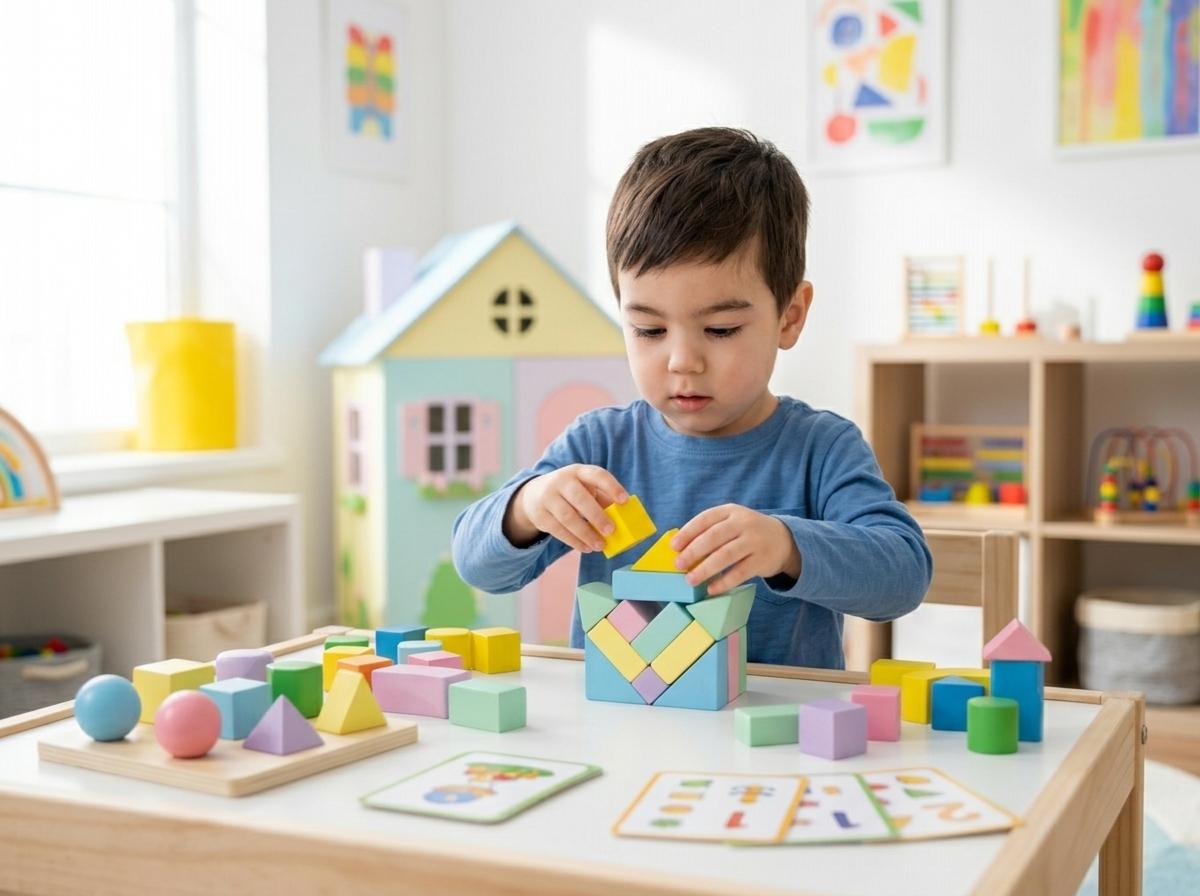
Hands-on activities turn abstract math concepts into tangible experiences. For instance, using everyday objects like blocks or counters can help children visualize addition and subtraction. When kids physically manipulate these objects, they understand how numbers interact. This tactile learning strengthens number sense development, making abstract concepts more accessible. Projects like building simple structures can teach geometry, while cooking can introduce measurements and fractions. These activities make math enjoyable and memorable.
Math Music and Movement for Learning
Integrating music and movement into math lessons can deepen understanding. Rhythms and patterns in music mirror mathematical sequences, making it easier for kids to grasp concepts like multiplication or division. Songs and dances can help memorize important math facts in a playful way. This method caters to diverse learning styles, ensuring all students can engage with math in a manner that suits them. By combining movement and sound, math becomes a lively and dynamic subject that kids look forward to.
Filling Learning Gaps
Personalized Math Assessment
Identifying a child's unique learning needs is crucial. Personalized math assessments provide insights into strengths and areas for improvement. These assessments guide tailored instruction, ensuring each child receives support that matches their current level. By focusing on individual needs, educators can address gaps effectively. This personalized approach builds a strong foundation, preparing children for more advanced mathematical concepts. It also allows for setting realistic goals and monitoring progress, fostering continuous growth in math skills.
Math Gaps in Private and Public Schools
Both private and public schools face challenges in covering the full spectrum of math learning. Often, curriculum constraints lead to gaps in key areas like critical thinking or applied math. Creative math curriculums, like those offered by programs focusing on growth mindset, address these gaps by emphasizing conceptual understanding over rote learning. By adopting innovative teaching methods and engaging activities, schools can create a more comprehensive math education. This approach not only fills existing gaps but also prepares students for future academic challenges.
Frequently Asked Questions
How can parents help their kids build math confidence? Parents can support math confidence by encouraging a growth mindset, where mistakes are seen as learning opportunities. Engaging in math-related activities at home and praising effort over correctness can also boost confidence.
What are some examples of hands-on math activities? Examples include using building blocks to understand geometry, cooking to learn measurements and fractions, and playing math-related games that involve counting or pattern recognition.
Why is personalized math assessment important? Personalized assessments identify a child's specific needs, allowing for tailored instruction that addresses individual strengths and weaknesses. This targeted approach ensures effective learning and fills knowledge gaps.
How do music and movement help with math learning? Music and movement connect mathematical patterns to physical activities, aiding in memory retention and concept understanding. This method caters to different learning styles, making math more engaging.
What challenges do schools face in delivering comprehensive math education? Schools often struggle with limited curriculum time and resources, leading to gaps in critical thinking and applied math. Innovative curriculums focusing on conceptual learning can help bridge these gaps.
Comments