
Beyond Repetition: Build a Strong Math Foundation with Curiosity, Conversation, and Hands‑On Thinking

Forget everything you know about math learning as endless drills and repetition. When children connect math to curious conversations and hands-on activities, their number sense and reasoning skills take flight. This approach to growth mindset math builds confidence without memorization, opening doors to deeper understanding and joyful exploration. Keep reading to see how you can nurture strong math foundations that last a lifetime. For more insights, check out this link.
Curiosity Fuels Math Confidence
Building math confidence starts with curiosity. When children explore and ask questions, they unlock a world of understanding. This section unpacks how fostering a growth mindset in math education can change the way your child learns.
Growth Mindset in Math Education
A growth mindset believes that abilities can be developed through dedication and hard work. This view creates a love for learning and resilience. In math education, encouraging a growth mindset means showing children that struggles and mistakes are part of the journey.
Most people think mistakes mean failure, but they're actually stepping stones to success.
Encourage your child to see challenges as opportunities to grow.
Remind them that learning math is a process, not a destination.
Cultivating Number Sense Development
Developing a strong number sense is crucial for math success. It's not just about recognizing numbers but understanding their relationships and how they work together.
Number sense includes skills like estimating, counting, and recognizing patterns.
Play games that involve numbers to help your child build this skill naturally.
Use everyday situations to discuss numbers, like measuring ingredients while cooking.
Math Without Memorization Techniques
Memorization can be a hurdle in math learning, often leading to frustration. But math without memorization can be liberating and fun.
Encourage your child to understand concepts rather than just memorize facts.
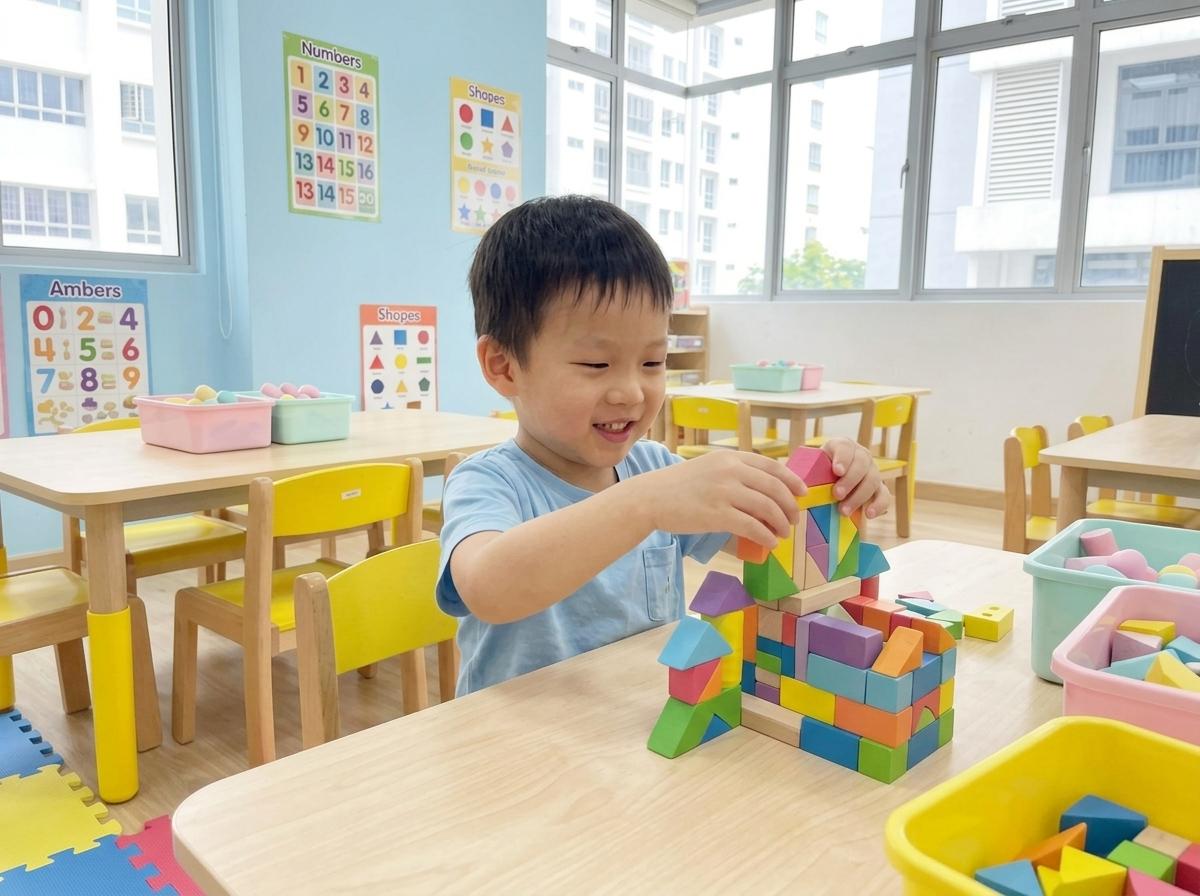
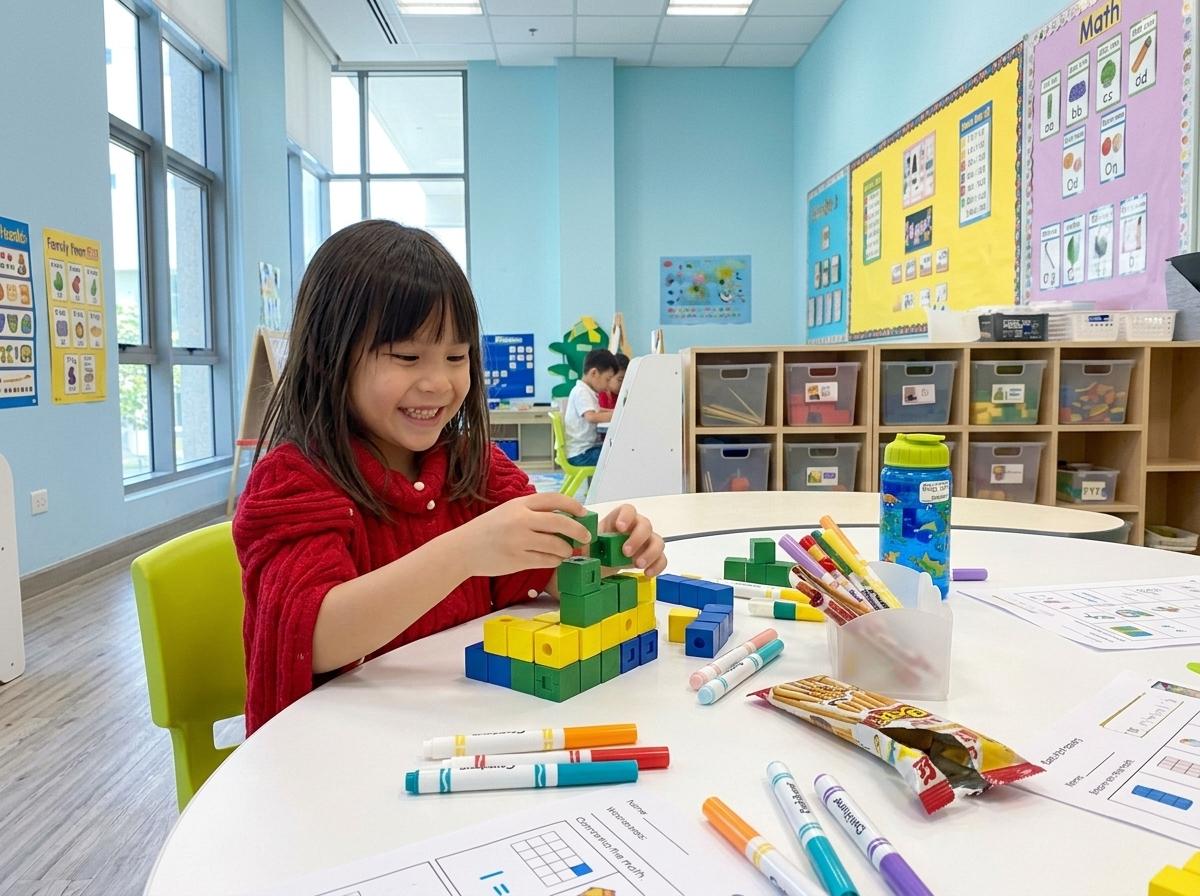
Use visuals and hands-on activities to make abstract ideas concrete.
Create a supportive environment where your child feels safe to explore and make mistakes.
Hands-On Strategies for Learning
Hands-on learning is an excellent way to engage children. We'll explore creative math curriculum approaches, the benefits of math music and movement, and how real-world challenges can enhance learning.
Creative Math Curriculum Approaches
A creative math curriculum makes learning exciting and relatable. Instead of sticking to textbooks, try integrating art, play, and technology.
Art can be a powerful tool in math; drawing geometric shapes helps visualize concepts.
Interactive tools like apps and games make learning dynamic and engaging.
Encourage children to express math problems in their own words or through drawings.
Math Music and Movement Benefits
Music and movement can transform how children perceive math. This multisensory approach makes math lively and tangible.
Dance and rhythm can help children understand patterns and sequences.
Singing math songs aids memory and comprehension.
Movement activities can demonstrate mathematical concepts like symmetry and geometry.
Real-World Challenges for Kids
Applying math to real-world problems enhances critical thinking and retention. Engage children with challenges they encounter daily.
Practical tasks like budgeting for a family event teach important math skills.
Create problem-solving scenarios that require mathematical reasoning.
Encourage children to ask questions and propose solutions to everyday issues.
Building Critical Thinking Skills
Critical thinking is essential for problem-solving in math. This section covers strategies like word problems, the literacy-math connection, and insights into personalized math programs.
Word Problem Strategies for Children
Word problems can be daunting, but they are excellent for developing critical thinking.
Teach children to break down the problem into smaller, manageable parts.
Encourage them to visualize the scenario and draw it out if needed.
Reinforce the importance of reading comprehension as an integral part of solving math problems.
Literacy and Math Connection Explained
Literacy and math are more connected than you might think. Understanding language helps in interpreting math problems and instructions.
Engage children in reading activities that include numbers and math concepts.
Discuss math-related stories and encourage predictions and conclusions.
Highlight how language and math complement each other in problem-solving.
Personalized Math Program Insights
Every child learns differently, and personalized programs cater to individual needs, fostering deeper understanding.
Personalized programs assess a child’s current skill level to tailor learning experiences.
They focus on strengths while addressing areas that need improvement.
Consider enrolling your child in a program that adapts to their pace and style of learning.
Frequently Asked Questions
How can I help my child develop a growth mindset in math?
Encourage your child to see mistakes as learning opportunities. Praise their effort and persistence, not just the correct answers. Engage them in activities that challenge their thinking and problem-solving skills.
What are some effective hands-on math activities?
Hands-on math activities include using building blocks for geometry, cooking for measurement, and games for numbers. These activities make math tangible and relatable.
How does music benefit math learning?
Music enhances pattern recognition and memory, crucial skills in math. Rhythmic activities and songs can make math concepts more engaging and easier to understand.
For more resources, explore these external links, videos, and tools.
Comments