
Beyond Extra Practice: 9 Things to Look for in a Summer Math Program

Most summer math programs offer extra practice, but that’s just the starting point. Your child deserves more than drills—they need a program that builds confidence, fills learning gaps, and sparks real-world problem solving. This checklist of summer math program criteria will help you spot the kind of hands-on, creative learning that sets Growing IQ apart. Keep reading to learn the nine things that truly matter for summer enrichment.
Selecting the Right Summer Math Program
Choosing the perfect summer math program can be a game-changer for your child's education. Let's dive into what truly sets an outstanding program apart.
Growth Mindset Math Program Criteria
Start with programs that promote a growth mindset. This approach helps children see challenges as opportunities for learning. Look for programs that focus on understanding concepts, not just memorizing formulas.
Encouragement of Effort: Programs should reward effort and persistence.
Mistake-Friendly Environment: Mistakes should be viewed as learning opportunities.
Personalized Learning Paths: Each child should have a tailored path to suit their needs.
Hands-On Math Summer Camp Essentials
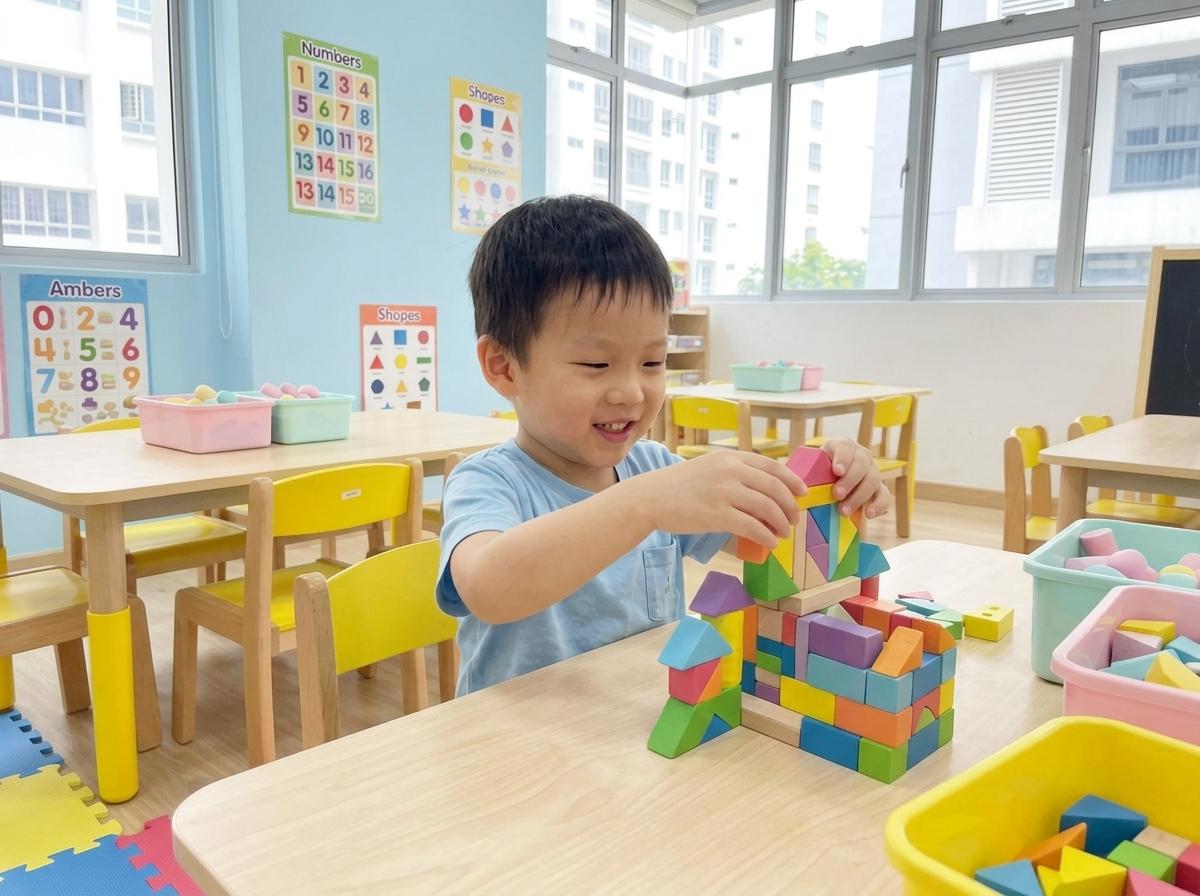
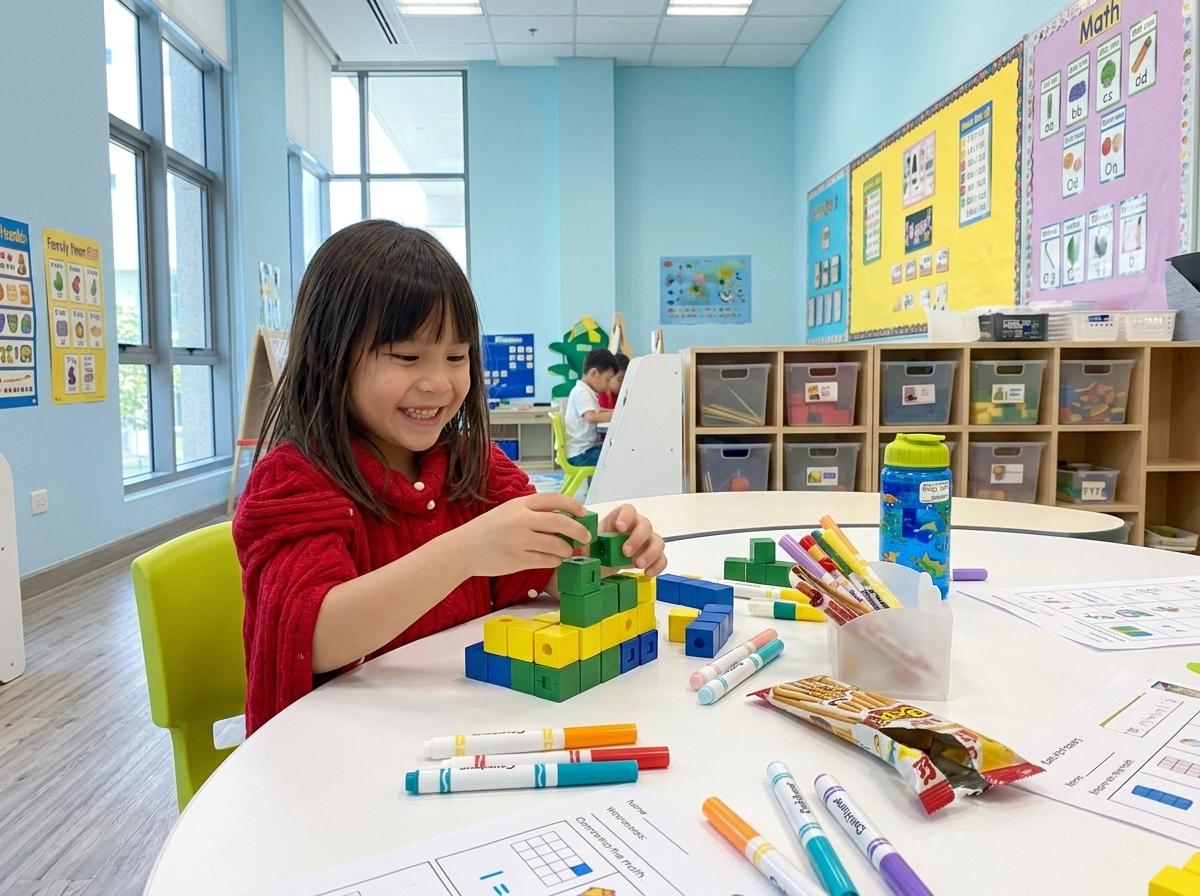
Hands-on learning is essential for truly grasping math concepts. Activities should involve real objects and scenarios that kids can relate to.
Interactive Sessions: Kids engage more when lessons involve physical interaction.
Real-World Applications: Activities should show how math is used in everyday life.
Collaborative Projects: Working in groups can enhance understanding and social skills.
Creative and Engaging Activities
A math program should not only educate but also entertain and engage. Let's explore activities that make learning math fun and interactive.
Real-World Problem Solving for Kids
Real-world problem solving helps kids understand the practicality of math. Use real-life scenarios to let children apply what they learn.
Imagine kids planning a school event:
Budget Planning: Teach them to manage a budget.
Measurement Challenges: Have them build something with exact measurements.
Time Management: They can plan schedules for the event.
Creative Math Activities for Kids
Creativity and math can go hand in hand. Programs should include art, music, and other creative elements.
Math Through Art: Kids can learn geometry by creating art projects.
Musical Math: Use rhythms to teach patterns and sequences.
Storytelling with Numbers: Create stories that require problem-solving.
Integrating Math and Literacy
Combining math and literacy offers a holistic approach to learning. Here's why this integration is so powerful.
Math Music and Motion for Young Learners
For young learners, integrating music and motion can enhance memory and understanding.
Rhythmic Counting: Use songs to teach counting and multiplication tables.
Dance and Math: Choreograph dances that involve counting steps or angles.
Story Songs: Create musical stories that incorporate mathematical problems.
Critical Thinking and STEM Challenges for Kids
STEM challenges are perfect for developing critical thinking. These activities encourage kids to think outside the box.
Engineering Projects: Build structures using everyday materials.
Science Experiments: Apply math to measure and predict outcomes.
Logic Puzzles: Solve puzzles that require strategic thinking.
😊
By seeking out programs that focus on these elements, you can ensure your child not only maintains but grows their math skills over the summer. Prioritize programs that offer a balanced, engaging, and creative approach to learning.
Comments